
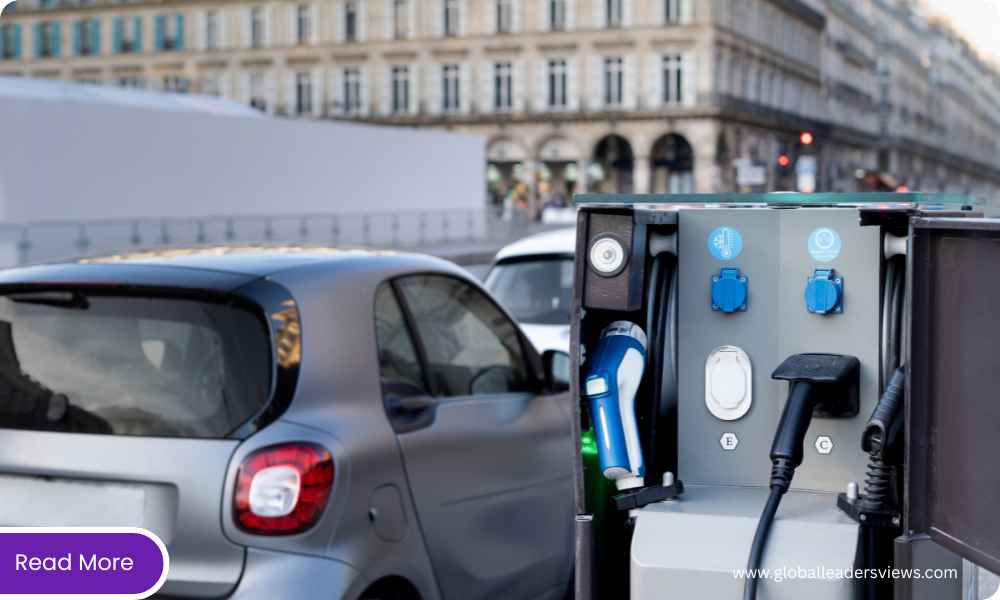
Unexpected Iran War on EV Demand changes are being made to the global auto sector as a result of the protracted turmoil in Iran. Additionally, though conventional automakers are still producing internal combustion engine (ICE) vehicles, the transition to electric vehicles (EVs) is being accelerated by rising oil prices and growing worries about energy security. Both customers and investors are keeping a careful eye on things, weighing the potential of new mobility options against market uncertainties.
This change highlights the wider effects of the Iran war on global trends in energy consumption, the auto sector, and stock markets.
Growing Oil Prices Drive Interest in EVs
Crude oil costs have significantly increased as a result of the conflict, making many drivers reevaluate their modes of transportation. Electric vehicles are becoming more and more appealing as a more reliable and affordable substitute for cars that run on gasoline.
Analysts observe that both short-term consumer choices and long-term patterns in car purchases are being impacted by this abrupt increase in fuel prices. EVs are particularly popular in regions like Europe and Asia that rely significantly on oil imports.
Automakers Make Strategic Changes in Response
Large automakers are carefully balancing these shifting market conditions. In markets where EV infrastructure is still emerging, some businesses are continuing or additionally increasing the manufacturing of internal combustion engines (ICEs) in order to meet the immediate demands of consumers, despite the growing demand for electric vehicles.
The complexity of the present auto industry, where energy costs, consumer behavior, and production capacities all affect business decisions, is reflected in this dual strategy.
Implications for the Financial Market
Global stock markets have also been impacted by the Iranian war. Oil price swings are causing investors to respond, and stocks in the energy and automobile industries are becoming more volatile. Both Created markets like the United States and Europe, as well as emerging countries like India, where investors are especially vulnerable to shocks to the price of oil, have seen the effects of the Iran war on the stock market.
As consumer demand swings toward more fuel-efficient options, stock analysts predict that businesses with robust electric vehicle portfolios may profit in the longer run.
Long-Term Trends and Consumer Behavior
When buying cars, consumers are increasingly taking the overall cost of ownership into account. For many households, electric vehicles are a more sensible option due to rising fuel costs and expanding electric vehicle infrastructure. While ICE vehicles may continue to experience moderate demand in areas lacking adequate charging infrastructure, this trend could hasten the adoption of EVs worldwide. Governments are also encouraging the use of electric vehicles through infrastructure Created, tax incentives, and subsidies.
Visit: Latest Magazine
Importance for the Automobile Sector
The crisis in Iran has brought attention to the direct impact of geopolitical events on industry. Created consumers, investors, and automakers are all adjusting to a world that is changing quickly. Adopting electric vehicle technology while keeping adaptable ICE tactics puts businesses in a better position to handle unpredictability and satisfy changing consumer needs.
Global EV Demand and Auto Market Shift Caused by the Iran War
Global changes in the automotive industry are being accelerated by the ongoing conflict with Iran. Fuel prices have increased due to oil supply disruptions, such as the Strait of Hormuz, and consumers are now considering electric vehicles (EVs) as a more reliable and affordable option. In response, automakers are investing in infrastructure for charging, expanding EV production, and reconsidering supply chains. EVs could become a strategic response to energy unpredictability as well as an environmental choice as a result of this geopolitical shock, which could permanently alter market priorities. The future of global mobility may be redefined as electric mobility takes over and the world adjusts.
Read our Exclusive Interview with Kevin Asbjornson

