Top Leadership Books of All Time (Top 10 Must-Read in 2026–30)

In today’s quickly changing global economy, leadership is no longer optional, it is required. The most successful founders, CEOs, and executives regularly turn to the best leadership books of all time to sharpen strategy, motivate teams, and build resilient companies. As we approach 2026-2030, the requirement for imaginative, emotionally savvy, and action-oriented leadership grows.

Global Leaders Views” picked the top ten leadership books that are timeless, compelling, and strategically relevant. These are more than just motivating reads; they are blueprints for performance, influence, culture development, and long-term success.

Why the Top Leadership Books Still Matter in 2026–2030?

Books Still Matter

The world of business has shifted toward digital acceleration, AI adoption, hybrid workplaces, and globalized competition. Yet, the fundamentals of leadership excellence, trust-building, and high-performance management remain unchanged.

The top books on leadership and management endure because they:

  • Teach decision-making under pressure
  • Build clarity of vision and communication
  • Strengthen organizational culture
  • Develop emotional intelligence and resilience
  • Drive execution and measurable results.

Below are the top rated leadership books that consistently rank as essential reading across industries

Top 10 Leadership Books of All Time

1. The 7 Habits of Highly Effective People by Stephen R. Covey

This globally celebrated classic defines modern leadership thinking. Covey introduces principles that emphasize character ethics over personality tactics, focusing on proactive behavior, prioritization, and synergy.

Key Leadership Lessons:

  • Be proactive in decision-making
  • Begin with the end in mind
  • Put first things first
  • Seek first to understand, then to be understood
  • For executives navigating complexity in 2026 and beyond, these principles form the backbone of strategic leadership and personal mastery.

Purchase Book

2. Good to Great by Jim Collins

One of the top books in leadership, this data-driven masterpiece analyzes why some companies outperform others over decades. Collins introduces the concept of Level 5 Leadership—leaders who blend humility with fierce professional will.

Core Concepts:

  • The Hedgehog Concept
  • The Flywheel Effect
  • First Who, Then What
  • Culture of Discipline
  • For founders and CEOs, this book delivers a framework for sustainable excellence and competitive advantage.

Purchase Book

3. Leaders Eat Last by Simon Sinek

In modern leadership, culture determines longevity. Sinek explains how trust and psychological safety drive performance. Leaders who prioritize team well-being foster loyalty, innovation, and collaboration.

This is among the top books for leadership and management in team-centric environments. It teaches:

  • The biology of trust
  • Long-term organizational stability
  • Servant leadership principles
  • Sustainable cultural growth

Purchase Book

4. The 21 Irrefutable Laws of Leadership by John C. Maxwell

Maxwell’s work stands as one of the top ten leadership books globally. Each law provides actionable insights into influence, credibility, and growth.

Powerful Laws Include:

  • The Law of the Lid
  • The Law of Influence
  • The Law of Buy-In
  • The Law of Legacy

These principles remain relevant for entrepreneurs building global brands in 2026–2030.

Purchase Book

5. Dare to Lead by Brené Brown

In an era dominated by remote teams and digital communication, vulnerability and authenticity have become strengths. Brown’s research-based insights redefine courageous leadership.

Key Takeaways:

  • Lead with empathy
  • Build brave cultures
  • Embrace difficult conversations
  • Replace fear with accountability

This book ranks consistently among the top leadership books 2025 and beyond for emotionally intelligent leadership.

Purchase Book

6. Start With Why by Simon Sinek

Purpose-driven leadership defines modern enterprises. Organizations that communicate “why” outperform those focused solely on “what” and “how.”

Leaders preparing for the next decade must:

  • Clarify mission and purpose
  • Inspire through vision
  • Build brand loyalty through meaning
  • Align teams around shared belief systems
  • This remains one of the top books on leadership for strategic brand builders.

Purchase Book

7. Extreme Ownership by Jocko Willink & Leif Babin

Accountability defines high-performance leadership. This military-inspired guide emphasizes ownership at every level of responsibility.

Core Leadership Framework:

  • Total responsibility
  • Decentralized command
  • Prioritize and execute
  • Cover and move (team unity).

In competitive global markets, leaders who practice extreme ownership outperform reactive managers.

Purchase Book

8. The Five Dysfunctions of a Team by Patrick Lencioni

Effective teamwork is central to growth. Lencioni identifies five obstacles that undermine performance:

  • Absence of trust
  • Fear of conflict
  • Lack of commitment
  • Avoidance of accountability
  • Inattention to results

This book is essential among the top books for leadership and management focused on building aligned executive teams.

Purchase Book

9. Drive by Daniel H. Pink

Motivation is evolving. Pink demonstrates that autonomy, mastery, and purpose outperform outdated reward systems.

Modern leaders must:

  • Empower autonomy
  • Develop expertise pathways
  • Align goals with intrinsic motivation
  • For companies adapting to AI and automation in 2026–30, human motivation remains the differentiator.

Purchase Book

10. The Lean Startup by Eric Ries

Though startup-focused, this book has become one of the top leadership books of all time for innovation-driven executives.

Key Strategic Advantages:

  • Validated learning
  • Rapid experimentation
  • Agile adaptation
  • Continuous improvement

In volatile markets, the ability to pivot strategically defines leadership excellence.

Purchase Book

Top Leadership Books for 2026–2030: Current Trends

While classics dominate, future-focused leaders prioritize themes such as:

  • AI-driven decision-making
  • Ethical leadership in digital transformation
  • Hybrid workforce management
  • Inclusive leadership frameworks
  • Sustainability-driven governance

The most influential leaders of the next decade will combine timeless principles with adaptive thinking.

Explore more insights from our latest articles.

US-Iran Nuclear Talks: Oil Heads for Weekly Decline

This week’s protracted US-Iran nuclear talks have put fresh pressure on the world’s oil markets as crude prices continue to decline. Both Brent crude and WTI benchmarks are headed for a weekly fall as supply concerns and geopolitical tensions momentarily ease, indicating a change in attitude across global commodity markets.

This pattern highlights the energy industry’s continued sensitivity to political events, particularly as the US and Iran, two countries whose relationship has a significant impact on Middle East oil tensions, begin their nuclear-related discussions.

As negotiations calm market nerves, oil prices decline

Friday’s early Asian and European trading hours saw a decline in oil futures.
Investors reassessing the geopolitical risk premium that had driven prices upward in previous weeks is reflected in the downward shift.

  • Update on Brent crude prices: little lower, on track for a weekly decline of 1%–2%
  • WTI crude price update: Similar weekly decreases and a decreasing trend

Market analysts claim that the reduction highlights more general worries about patterns of oil weekly declines caused by changing political circumstances and muted signals of global demand.

Even while OPEC production tactics continue to be a significant market lever, this is consistent with recent data that indicates supply fears are abating.

US-Iran Discussions: A Crucial Factor in Crude Oil Market

After negotiators claimed “constructive progress” behind closed doors, Washington and Tehran prolonged their indirect talks. The ongoing US-Iran nuclear talks have already contributed to the stabilization of regional expectations, notwithstanding the lack of specifics.

The goal of the negotiations is to lower the likelihood of war escalation in the Gulf region. They are backed by mediation channels via Oman and continuing technical sessions in Vienna.

Given that the region continues to be crucial to the world’s supply of crude, this has substantial implications for the oil markets. According to reports, future production trends and export flows may be impacted by any relaxation of military tensions or sanctions.

Oil Tensions in the Middle East Reduce, but Dangers Still Exist

Oil prices rose for months due to worries about possible delays in the Strait of Hormuz. One of the most strategically significant waterways, this tiny passage transports nearly a fifth of the world’s oil.

Traders anticipate fewer supply-side concerns when negotiating lines remain open, which causes oil prices to decline throughout futures markets.

Analysts caution that there are still concerns, though:

  • Political unrest in nearby areas
  • Possible negotiation breakdowns
  • Changes in Iran’s nuclear policy
  • Potential reintroductions of sanctions

These elements have the potential to swiftly halt the present decline in crude prices.

Economic Factors Increase the Stress

The energy market faces macroeconomic forces in addition to geopolitics:

  • Forecasts of mixed global demand
  • Reduced industrial activity in large economies
  • The United States dollar’s fluctuations
  • Changes in consumer trust

These indications influence the expectations of traders and support the overall downward trend in pricing.

Decisions from OPEC Affect Market Prospects

As OPEC continues to modify output objectives in order to preserve market stability, oil traders are also keeping an eye on the organization’s upcoming policy signals.
Any indication of more production could put additional pressure on costs.

This makes the already complicated energy picture even more unclear.

Visit: Latest Magazine

A Tight Balance Ahead

Crude markets are reaching a turning point as the week comes to an end.
Softer prices will probably be maintained if US-Iranian negotiations go well and tensions are predicted to decrease. On the other hand, any negotiation snag could lead to a dramatic turnaround.

As of right now, diplomacy continues to have the most impact on the trajectory of the world economy, influencing how investors will position themselves over the next few weeks.

Read more: Why an Oil Tanker Was Seized by the United States Off the Coast of Venezuela

Supreme Court Decision Reshapes Trade Powers as Trump Pushes 15% Tariff

As the US Supreme Court renders a decision that may alter how trade actions are implemented by succeeding administrations, the current discussion regarding the president’s jurisdiction over tariffs has heated up. In the meantime, former US President Donald Trump is advocating for a 15% worldwide tariff, which raises concerns about what has changed, what is still in place, and what will happen to US trade policy in the future.

Interest in this situation has grown across the country, particularly among people who want to know if the Supreme Court has decided on Trump’s tariffs. When will the Supreme Court rule on tariffs, and what impact will the ruling have on the IEEPA’s tariff powers?

A Decision Redefining the President’s Tariff Authority

The most recent decision represents a significant change in the way federal law can be used to apply tariff powers. Legal experts have been speculating for months about whether the court will sustain or reject earlier tariff acts. During hearings, several have noted that the “Supreme Court seems skeptical of Trump’s tariffs.” The ruling demonstrates the court’s growing reluctance to provide the president extensive jurisdiction over trade issues, particularly when tariffs are imposed without first receiving consent from Congress.

The use of tariffs under the International Emergency Economic Powers Act (IEEPA), a measure initially created for national security emergencies, was a key area of focus. Opponents claimed that applying IEEPA to reciprocal tariffs went beyond what the statute was designed to do. The argument over the “IEEPA tariff Supreme Court” central as the court reviewed whether such actions were legally justified.

Trump’s Call for an International 15% Tariff

Trump reaffirmed his proposal for a 15% universal import tariff after the judgment, arguing that it was an essential step toward rebalancing international commerce and protecting the economy. The “Supreme Court ruling on reciprocal tariffs” and whether a future administration could lawfully impose such expansive tax measures without parliamentary support have been brought back into the spotlight by the idea.

Future presidents will still have some tariff authority despite the ruling. Rather, it limits the scope and calls for more precise legal rationale, which will influence discussions about the “Supreme Court ruling on Trump today.”

What Modifies, What Doesn’t

The president can no longer impose reciprocal or significant blanket tariffs using emergency statutes like IEEPA.

Any future tariff must be based on a legally justified national security or economic rationale.

The importance of congressional monitoring of trade decisions has increased.

What Remains the Same

  • Under a number of trade statutes, such as Section 232 (national security) and Section 301 (trade breaches), the executive branch is still able to apply tariffs.
  • If provisions are fulfilled, tariffs pertaining to national emergencies are unaffected.
  • Retaliatory taxes linked to international agreements and negotiated trade restrictions are still in effect.
  • Global and Economic Consequences

Economists caution that while changing the president’s tariff powers would increase trade stability, it might also slow down the executive branch’s capacity to act quickly in emergency situations. As U.S. trade policy signals change once more, international markets are keeping a careful eye on the situation.

Nations with close export connections to the United States are reassessing their risk exposure, especially if Trump’s 15% tariff proposal becomes politically popular. Countermeasures from international trading partners could have an impact on supply chains.

Visit : Latest Magazine

What Comes Next?

A more legally organized approach to U.S. tariff policy is made possible by the verdict. It also means that when enforcing universal tariffs, any future administration, including one led by Trump, will have to deal with stricter legal restrictions.

The upcoming months will probably include:

Additional legal analysis of the Supreme Court’s “ruling on tariffs”

Action by Congress to elucidate tariff authority

Economic analyses of the possible effects on American households of a 15% tariff

For the time being, companies, governments, and international markets need to adjust to this new phase of trade regulation.

Read more: Supreme Court Steps In: Can Bayer Finally Curb Roundup Cases in the USA?

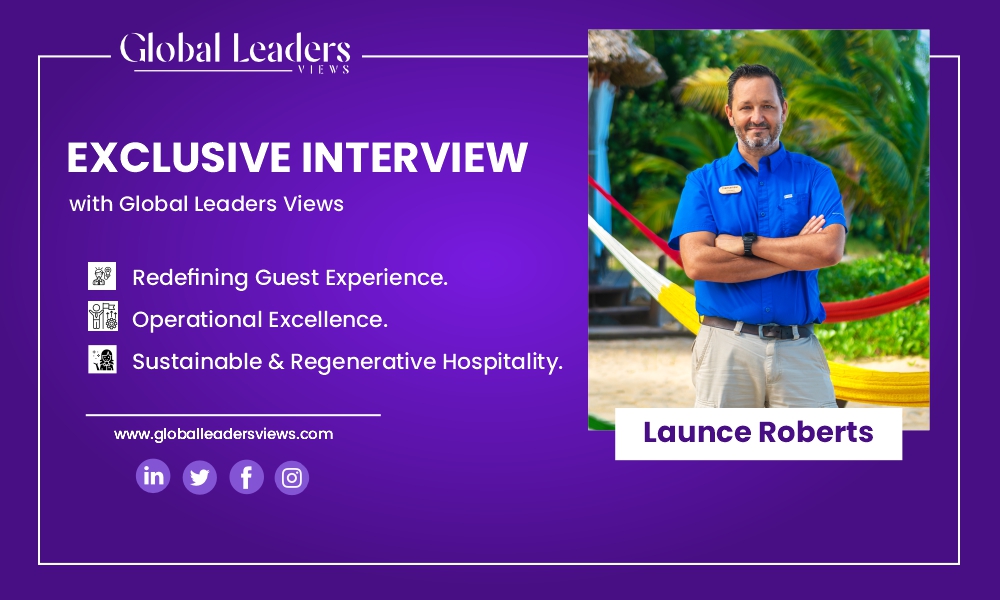
Launce Roberts: Leading a Global Hospitality Revolution Rooted in Ethics, Experience, and Impact

In the world of global hospitality, where expectations are rising and experiences must be more valuable, one name stands out with quiet authority and transformative power: Launce Roberts. He is a Global Hospitality Trailblazer in Guest Experience & Leadership who combines operational precision, emotional intelligence, environmental ethics, and human-centered leadership in a unique way.

As we look toward 2026 and beyond, the hospitality industry is no longer defined by luxury alone. It is defined by meaning, authenticity, and connection. Launce Roberts has built his career around these pillars, shaping properties, empowering teams, and elevating guest experiences to globally competitive standards.

From Cape Town to the Okavango Delta: The Making of a Hospitality Visionary

Growing up in Cape Town, widely regarded as South Africa’s tourism capital, Launce Roberts was immersed in hospitality long before he recognized it as a profession. Warmth, generosity, open conversation, and the instinct to welcome others were not strategies; they were cultural norms.

His early professional journey began in marketing, followed by a move into event production, where he managed catering and experiential executions for RedBull Energy Drink from launch to market saturation in the late 90s. While others focused on logistics, he focused on how people felt. His knowledge of consumer psychology, product positioning, and engagement became foundational to his later success in hospitality leadership.

The pivotal turning point came when he relocated to Botswana to manage an off-the-grid safari camp in the Okavango Delta. In this wilderness setting where sustainability is not optional but essential, he discovered that hospitality was not merely about service delivery. It was about stewardship, resilience, and responsibility.

In Botswana the camps are built without concrete. Structures are designed to disappear back into nature. These are systems built around conservation principles. This experience shaped his lifelong commitment to ethical business practices and environmental sustainability on a global scale.

Redefining Guest Experience in 2026: Freedom, Meaning, and Human Connection

Today’s travelers are not seeking transactions they are seeking transformation. Launce Roberts defines modern guest experience as the freedom to connect, disconnect, and reconnect with meaning.

Guests want:

  • Personal recognition
  • Authentic cultural immersion
  • Emotional connection
  • Ethical alignment with the brands they support
  • Sustainable practices embedded in operations

Personalization is no longer a luxury, it is an expectation. Guests are hyper-aware of how organizations treat staff, manage environmental impact, and design experiences. They value transparency, responsiveness, and purpose.

Technology may support operations, but Launce firmly maintains that hospitality remains a person-to-person exchange. Empathy cannot be automated. Presence cannot be programmed. The emotional resonance of genuine care remains the defining standard of exceptional guest experience.

Operational Excellence as the Foundation of Memorable Experiences

One of the defining characteristics of Launce Roberts’ leadership is his unwavering focus on operational readiness. Not reactive problem-solving but proactive system design.

He believes that:

  • Every operational component must have a solid foundation.
  • Operating Procedures must create clarity, not restriction.
  • Confidence in teams stems from structure and support.

When he developed and launched a comprehensive SOP framework paired with structured training programs, the shift was immediate. Staff confidence increased. Execution became consistent. Guest satisfaction improved measurably.

Post-pandemic, these structured systems led to sustained improvements in guest experience rankings not because of gimmicks, but because of disciplined excellence.

Operations, in his philosophy, are not back-of-house mechanics. They are the invisible architecture that allows human-centered service to flourish effortlessly.

The Digital Feedback Revolution: From Comment Cards to Global Recognition

One of the boldest strategic decisions Launce Roberts implemented was transitioning from traditional paper comment cards to a fully digital feedback platform.

The move required relinquishing visible control. Guests were no longer completing forms in front of staff. Instead, feedback became:

  • Real-time
  • Automated
  • Department-wide
  • Data-driven

Every department head received instant access to guest responses. Accountability became shared. Responsiveness became immediate.

If an issue emerged while a guest was still on property, teams could intervene personally and promptly. Patterns were identified quickly. Adjustments were made proactively.

The results were extraordinary:

  • A perfect 5.0 rating on TripAdvisor for two consecutive years
  • Hamanasi ranked among the Top 25, in the Travellers Choice award for the Best of the Best Hotels in the World
  • Climbed from 17th to 8th globally

“When we looked up from the dashboard found we were competing against Palaces in India!” Success was not built on extravagance but on structured systems, empowered leadership, and a disciplined feedback culture.”

When operations allow you to listen carefully and respond quickly, satisfaction transforms into loyalty.

Balancing Efficiency with Human-Centered Hospitality

In many organizations, operational efficiency and human warmth are seen as opposing forces. Launce Roberts demonstrates they are not only compatible—they are complementary.

Strong systems:

  • Provide clarity under pressure
  • Empower front-line staff
  • Reduce friction
  • Create seamless service flows

When staff understand their role and trust the structure supporting them, they are free to focus on what truly matters: connecting with guests.

Efficiency removes chaos. Human connection adds meaning. Together, they create unforgettable hospitality.

Sustainability as a Core Leadership Principle

For Launce Roberts, sustainability is not a marketing slogan, it is the foundation of hospitality.

His conservation-driven background instilled values that now guide every decision:

  • Reduce environmental footprint
  • Eliminate unnecessary waste
  • Integrate sustainability into daily operations
  • Educate teams on why it matters

Guests increasingly notice plastic usage, energy consumption, and ethical sourcing. Performative sustainability no longer suffices. Authentic integration does.

When sustainability becomes second nature across departments, trust strengthens. And trust builds long-term brand equity.

Leadership Through Mentorship and Psychological Safety

A defining influence on Launce Roberts’ leadership philosophy has been mentorship. Through strong mentors and pivotal conversations, he learned to shift perspective—from manager to business owner, from operator to strategist.

He emphasizes:

  • Emotional intelligence in leadership
  • Psychological safety for teams
  • Continuous learning
  • Empowerment through clarity

Hospitality is demanding. Burnout is real. High turnover threatens global service standards. His response is simple: develop leaders who mentor holistically not just operationally, but emotionally.

When people feel supported, they perform sustainably.

Technology in Hospitality: Tool, Not Replacement

Artificial intelligence, automation, and analytics are reshaping hospitality operations. Launce Roberts leverages innovation strategically:

  • Process optimization
  • Performance analysis
  • Data interpretation
  • Rapid response systems

Yet he remains clear: technology should enhance human connection not replace it.

Robots cannot replicate empathy. Algorithms cannot replace presence. Technology must serve the people so your people can better serve guests.

What Differentiates Launce Roberts in Global Hospitality Leadership

The combination of marketing insight, consumer psychology expertise, operational mastery, and sustainability commitment sets Launce Roberts apart.

He understands one key difference in business

  • Products are first manufactured then shipped and marchnadised and finally consumed – these are all separate steps.
  • But a service is produced and consumed simultaneously.
  • Hospitality demands real-time emotional intelligence.

By aligning brand positioning with operational execution, he creates experiences that resonate emotionally while performing flawlessly operationally.

This rare integration defines a true Global Hospitality Trailblazer in 2026.

The Future of Guest Experience Beyond 2026

Looking ahead, the industry will continue evolving toward:

  • Boutique, personalized environments
  • Regenerative travel experiences
  • Ethical transparency
  • Deeper cultural immersion
  • Human-first innovation

Guests will prioritize authenticity over extravagance. Meaning over spectacle. Connection before consumption.

Leaders who understand this shift and build systems to support it will define the next era of global hospitality. Launce Roberts stands among those leaders.

Advice for Emerging Hospitality Professionals

For aspiring industry trailblazers, the guidance is direct:

  • Start somewhere, anywhere! But make a start!
  • Serve wholeheartedly.
  • Learn relentlessly.
  • Solve real problems.
  • Stay resilient.
  • Repeat

Hospitality rewards persistence, empathy, and operational discipline. Whether washing dishes or designing strategy, excellence in small actions compounds into global impact.

Elevating Guest Experience Through Purpose and Precision

In an industry defined by experience, leadership must be grounded in more than aesthetics or luxury. It must combine:

  • Structured operational excellence
  • Deep emotional intelligence
  • Sustainable ethics
  • Empowered teams
  • Human-centered personalization

As one of the Top 10 Global Hospitality Trailblazers Elevating Guest Experience in 2026, Launce Roberts exemplifies what modern hospitality leadership demands. Through disciplined systems, empowered mentorship, sustainability integration, and unwavering belief in human connection, he continues to elevate global service standards.

The future of hospitality belongs to leaders who understand that the greatest luxury is not excess it is care delivered with precision and purpose.

Visit Launce Roberts LinkedIn Profile
Visit Hamanasi Adventure & Dive Resort

Dell Technologies: Insights from the Upcoming Investor Conference

At a forthcoming investor conference, Dell Technologies will provide updates on its long-term priority areas, financial forecast, and business strategy. Analysts and investors are eagerly awaiting the event’s results as the technology landscape changes due to the quick developments in artificial intelligence, cloud computing, and enterprise solutions.

This upgrade coincides with a substantial rise in interest in Dell Technologies‘ shares, AI roadmap, sustainability activities, and financial reports, including the 10-K filings and the company’s 2024 annual report. With businesses all around the world accelerating their digital transformation, the conference is anticipated to shed light on market positioning and growth expectations.

Investors’ Strategic Priorities at Dell Technologies

Dell’s strategic pillars edge computing, generative AI, multicloud flexibility, and hybrid cloud will be highlighted during the investor conference. With servers, storage options, and end-to-end enterprise technologies, Dell is expanding its offering in response to the growing demand for AI-ready infrastructure.

It is anticipated that these conversations will continue to center on the company’s growing AI ecosystem, which is frequently discussed under the heading “Company AI.” Key determinants of Dell’s readiness for 2026 and beyond will be its alliances, industry partnerships, and investments in next-generation computing platforms.

Investors will have a better understanding of how the business defends itself against market forces, rival technologies, and worldwide economic challenges thanks to this session.

Financial Outlook: Important Things for Investors to Monitor

Investors are eager to learn about Dell’s revenue streams and profitability patterns in light of the company’s recent earnings report and market performance details available on websites like Yahoo Finance. This meeting might offer revised recommendations regarding:

  • An increase in hybrid cloud solutions
  • Demand for enterprise hardware
  • The Infrastructure Solutions Group’s (ISG) performance
  • Sales of consumer electronics
  • Investments in edge and data centers

AI-powered product sales

Prior to this, the Company 10-K and other financial documents emphasized the rising emphasis on corporate modernization and the consistent demand in commercial segments. Updates on Dell’s capital allocation plans, operating margins, and cost optimization are anticipated by analysts.

ESG Commitments and Sustainability Priorities

One of the main pillars of Dell’s long-term strategy is sustainability. The Company sustainability report sets ambitious targets for supply chain transparency, circular economy advancement, and emission reduction.

Throughout the meeting, Dell might go into further detail about

  • lowering greenhouse gas emissions during all activities
  • Extending programs for device recycling and reuse
  • Product design that uses less energy
  • Openness in the governance of ESG
  • Initiatives for sustainable manufacturing

Investors with an eye toward ESG will seek out quantifiable advancements and future pledges that are in line with international sustainability norms.

Visit: Latest Magazine

AI’s Potential Impact on Dell’s Future

One of the most powerful drivers of Dell’s market expansion is still AI. The company has been speeding up development in the following areas since generative AI is expected to change enterprise workflows:

  • AI-enabled hardware and servers
  • Solutions for scalable data management and storage
  • Real-time processing using edge AI systems
  • Collaborations with leading vendors of AI infrastructure

Platforms and tools for the integrated AI lifecycle

Increased searches for “Dell Technologies AI” and interest from industries including healthcare, finance, retail, and manufacturing demonstrate how quickly enterprise demand is expanding.

Investor Attitude and Market Context

Interest rates, global supply chain constraints, and AI adoption patterns continue to impact market swings in the larger technology sector. Investor sentiment will continue to be influenced by Dell’s performance metrics, which are easily monitored through Company stock updates.

It is anticipated that the conference will provide light on:

  • Demand for the market in 2025–2026
  • Enterprise infrastructure competitive positioning
  • Prospects for long-term earnings
  • Development of cost-cutting measures
  • Developments in the product pipeline

Stock momentum and market expectations for the upcoming quarter are frequently impacted by clear communication during such investor events.

What Dell Technologies Will Do Next

Dell has a significant chance to reinforce its approach and win over investors at the next investor meeting. Dell is laying the groundwork for improved communication with partners and shareholders by offering insights into long-term planning, sustainability initiatives, financial performance, and AI strategy.

Dell’s revisions will help the market understand how it intends to stay relevant, generate innovation, and stay competitive in 2026 and beyond as the tech sector moves toward AI-driven transformation and hybrid cloud usage.

Read more: U.S. to Delay Tariffs on Chinese Semiconductor Chips Until 2027

U.S. Supreme Court Embraces Tech: A New Era for Justice

The U.S. Supreme Court has started incorporating cutting-edge technology to improve transparency, expedite case assessments, and fortify conflict-of-interest detection, a move that many experts refer to as “ushering a new era” for the American legal system. This technical development represents a significant change in how the Court is ready for upcoming legal challenges influenced by Big Tech and changing public expectations, as discussions around significant cases—from illogical giveaways to affirmative action to AI-related petitions like the DABUS case continue.

A Significant Change: The Supreme Court Expands Its Use of Technology

The new digital measures coincide with reports that “the U.S. Supreme Court has handed Big Tech a big gift” in a number of recent decisions pertaining to internet platforms, data, and privacy. Although the Court argues that its rulings are consistent with constitutional interpretation, detractors contend that the judiciary must also update its own procedures in light of the swift growth of digital ecosystems.

Analysts view the Court’s adoption of automated disclosure mechanisms and secure digital screening technologies as a proactive move to guarantee that future Supreme Court tech issues are handled with greater transparency and accountability.

Improving Equity in a Changing Legal Environment

Nationwide discussion has been triggered by recent historic rulings, especially the affirmative action ruling from the U.S. Supreme Court. These decisions demonstrated the mounting strain on the Court to exhibit impartiality, consistency, and openness as social divisions deepen.

The new technology seeks to help achieve that objective by:

  • Notifying justices of possible conflicts
  • Simplifying the evaluation of documents
  • Facilitating quicker financial disclosure cross-referencing
  • Increasing case-assignment workflow accuracy

These enhancements may “set the tone for a future where judicial responsibility is strengthened through intelligent systems,” according to legal scholars.

Automation, AI, and the Future of the High Court

The U.S. Supreme Court’s DABUS petition, which questions established notions of inventorship as AI-generated works become more common, is another issue that is garnering international interest. Experts think that implementing internal tech tools indicates preparedness for a future full of AI-driven legal concerns, even though the Court has not yet rendered a decision on the issue.

This change has been dubbed “historic” by some observers, who contend that the judiciary needs to change to keep up with the digital challenges posed by automation and Big Tech.

Handling High-Impact Cases and Public Scrutiny

Public scrutiny has increased since the Supreme Court started hearing arguments in the unjustified freebies issue. Observers think that the necessity to boost public trust during contentious proceedings is one of the factors driving the Court’s usage of technology.

Technology integration may be beneficial.

  • Increased openness in cases that are politically delicate
  • Shorten the duration of well-known hearings
  • Boost public confidence by making procedures more transparent.

The judiciary may be better equipped to handle the growing number and complexity of contemporary cases as a result of this shift.

The TCS Perspective: Monitoring Technology Collaborations

Following rumors about outside consulting models, searches for “US Supreme Court TCS” have increased. Experts speculate that the Court’s modernization initiatives might involve partnerships with domestic or international tech companies for the building of secure infrastructure, even if no formal affiliation has been verified.

Given the current discussions over the impact of technology on legal and governmental processes, any such collaboration would attract attention.

Visit: Latest Magazine

A Judicial System Preparing for the Future

As technology transforms every sector, the U.S. Supreme Court’s decision to modernize is a critical milestone. From digital conflict-check systems to automated document mapping, these advancements aim to improve operational efficiency and maintain judicial integrity in an era where legal issues are more complex than ever.

Legal analysts describe this transition as the Court’s attempt at “ushering in a new era of digital justice.”

Read more: Trump’s Legal Battles: A Guide for Law Leaders

Mercedes-Benz Orders Recall of 11,895 Vehicles in the U.S. Over Fire Hazard Concerns

In a new development that will affect thousands of drivers nationwide, Mercedes-Benz has recalled 11,895 vehicles after the National Highway Traffic Safety Administration issued a safety advisory about a possible fire hazard risk associated with overheated components. The recent Mercedes-Benz recall has sparked worries among car owners and the larger automotive community, underscoring the growing need of prompt safety inspections and open lines of communication between regulators and manufacturers.

The NHTSA safety alert states that the impacted vehicles may have fluid leaks in the engine compartment or electrical issues, which might result in unplanned fires even when the vehicle is parked. The problem highlights the growing intricacy of contemporary car electronics and emphasizes the significance of proactive, nationwide oversight through vehicle safety recall systems in the U.S.

Which Models Are Impacted by This?

Although Mercedes-Benz has not yet made the entire list of recalled automobiles available to the public, preliminary reports suggest that a number of SUVs and passenger cars built in recent years are among the impacted models. Internal overheating is more likely in these cars because of parts that could malfunction in specific driving or environmental circumstances.

Customers have been reassured by the corporation that revised recall materials will be made available through appropriate NHTSA channels and that registered owners will receive a comprehensive, thorough breakdown of affected models. The automaker’s continuous efforts to uphold safety compliance and manage any risks before they materialize into actual incidents are reflected in the recall.

Recognizing the Risk of Fire

According to the NHTSA safety alert, the main issue is a defect in the vehicle’s ignition-prone location, where hot engine parts may come into contact with electrical currents or fluid leaks. These factors work together to make the engine bay vulnerable to heat reactions that could set combustible surfaces on fire.

Notably, some hazards could arise even while the vehicle is not moving, raising worries for owners who usually park in enclosed areas like garages or beneath communal residential parking structures. Although no accidents or injuries have been reported, the risk of fire is still high enough to warrant an immediate recall.

Mercedes-Benz’s Formal Reaction

Mercedes-Benz has reacted quickly and prioritized the safety of its customers. According to the firm, all recalled vehicles will undergo comprehensive inspections by service centers, which will find any defective parts and replace or fix them at no additional cost to the customer.

The carmaker also reaffirmed its dedication to making sure that every procedure connected to recalls is effective and transparent, from informing customers to servicing vehicles. Mercedes-Benz hopes to avoid such problems in subsequent production cycles by collaborating closely with independent safety organizations and government regulators.

This reaction fits with a larger pattern of automakers quickly adjusting to new regulations as car systems became more sophisticated and networked. Mercedes-Benz’s and the NHTSA’s partnership is an example of how manufacturers may handle safety. challenges responsibly and proactively.

What Should Affected Owners Do?

The following actions are advised for owners of vehicles that may be impacted:

1. Examine the NHTSA Recall Portal first.

To find out if your car model is covered by the Mercedes-Benz recall, go to the agency’s recall website and input the VIN. The quickest method for verifying the state of your car is this one.

2. Watch for the Official Announcement

Registered owners will receive direct contacts from Mercedes-Benz, including comprehensive guidance on when to schedule maintenance.

3. Refrain from parking in enclosed areas.

To lower the chance of fire-related damage, owners are encouraged not to park their cars in garages or next to buildings until the repair is finished.

4. Speak with nearby dealerships

As soon as technicians and components are available, authorized Mercedes-Benz service shops are ready to assist owners with inspections and repairs.

Impact on Industry and Safety Prospects

This U.S. car safety recall brings to light a persistent problem facing the auto industry: striking a balance between innovation and strict safety regulations. Complex electrical problems are more likely to arise after prolonged use of vehicles with more software-driven components.

Mercedes-Benz’s prompt response demonstrates the importance of recall openness and the part regulators play in ensuring public safety. The recall serves as a reminder to owners that avoiding preventable hazards requires remaining informed through NHTSA and automaker updates.

Visit: Latest News

Apple Rolls Out iOS 26.3, macOS, iPadOS, and watchOS Updates

One of Apple’s biggest multi-platform releases of the year, iOS 26.3 has officially started to be released together with new iterations of macOS, iPadOS, and watchOS. The update includes scores of improvements throughout Apple’s device ecosystem, as well as increased reliability and performance. Due to its significant improvements and bug fixes, the update is already creating a lot of curiosity as customers anticipate the iOS 26.3 release date, early availability, and regional timings, including the iOS 26.3 release date in India.

Similar to earlier iterations like the iOS 26 update download, the iOS 26.3 beta download, and release candidate editions like iOS 26.3 RC, this update cycle continues company ongoing OS improvement path.

iOS 26.3 Arrives With Improvements in Security, Speed, and Stability

The main features of iOS 26.3 include improved app speed, privacy enhancements, and stability. Bug fixes addressing issues reported since the previous 26.x releases, improved battery management, and smoother animations are all anticipated by users.

Important enhancements include of:

Performance improvements for the entire system on both older and newer iPhones

  • Improved control of background activity to lessen battery drain
  • Reduced crashes and increased app stability
  • Enhanced Bluetooth and Wi-Fi connectivity performance
  • Improved UI components for a more reliable experience
  • More robust privacy safeguards

Additionally, Apple has tried to speed up transitions between key apps like Messages, Photos, and the App Store and lower notification latency.

Users checking the iOS 26 update release date in India time will also see that the upgrade has begun rolling out internationally, albeit the release date and time for iOS 26.3 differ by country. The company keeps up its practice of releasing major operating systems globally at the same time.

App fixes and performance improvements are included in the macOS update

Apple released a significant upgrade for macOS in addition to iOS, providing:

  • Enhanced ability to multitask
  • Increased effectiveness of memory
  • Solutions for problems with Bluetooth device connections
  • Enhancements to Finder, Mail, and Safari stability
  • Improved compatibility with the iPhone and iPad following the release of iOS 26.3

Additionally, the update strengthens cross-platform compatibility, guaranteeing that Macs and iOS 26.3 and iPadOS 26.3 devices sync without a hitch.

The iPadOS Update Improves the Apple Pencil and Multitasking Experience

The most recent iPadOS update for iPad owners focuses on:

  • Increased stability of the stage manager
  • decreased latency when multitasking
  • Improved response speeds for the company Pencil
  • Trackpad and keyboard gestures have been updated.
  • Increased power efficiency

Similar to past “Apple ios 18 roll out” cycles and future expectations in the The company ecosystem, this is consistent with more general rumors regarding Apple’s OS plan.

Bug fixes and improvements to health apps are included in the watchOS update

Building on previous releases, such as the Apple WatchOS 10.6.1 upgrade, The company also released a new version of watchOS.

Among the new enhancements are:

Improved activity and heart-rate monitoring

Smoother animations and quicker app loads

Solutions for issues that influence watch faces

Better synchronization with iOS 26.3 on iPhones

This update acts as a stability bridge before significant upcoming updates as speculations about the The company Watch OS 11 continue to swirl.

Updated Information on Availability and Rollout

The update is accessible to users via:

Configuration → General → Update Software

Within 24 to 48 hours, the iOS rollout is anticipated to be completed worldwide. The update file will be reduced for early testers who downloaded the iOS 26.3 beta or Release Candidate (RC) version.

Compatibility

All devices that are now running iOS 26 can use iOS 26.3, which gives both older and newer iPhone models increased dependability.

iOS 26.3 Marks the Beginning of Apple’s Ecosystem’s Future

A more intelligent and connected future is hinted at by Apple’s most recent improvements. The company is undoubtedly setting up devices for deeper AI integration, more intelligent automation, and smooth cross-platform interactions with iOS 26.3, macOS, iPadOS, and watchOS all developing in tandem. This lays the foundation for the upcoming generation of adaptive, intuitive technology.

Read our Exclusive interview with Kevin Asbjornson

Announcing the New Partnership: Western Parks & Amistad

A new partnership is laying the groundwork for a more robust environmental future as U.S. national parks adapt to the needs of climate resiliency, sustainable tourism, and responsible land management. The collaboration between Western Parks and Amistad is a significant step in safeguarding species, maintaining landscapes, and improving the experiences of tourists in well-known natural sites. In order to create a more sustainable model for America’s outdoor heritage, this strategic partnership combines knowledge, assets, and common objectives.

Travelers are encouraged to explore new routes, explore the paradise of national parks, and find new destinations through responsible stewardship as interest in nature-focused travel grows. Both collaborators are dedicated to providing sustainable park management that safeguards ecosystems and guarantees millions of visitors have a pleasurable experience.

A Partnership Dedicated to Conservation and Sustainability

The goal of the collaboration between Amistad National Recreation Area and Western National Parks is to promote long-term conservation strategies. National parks are facing new ecological challenges as a result of changing climatic patterns and an increase in visitors. Through the combination of coordinated conservation techniques, community education, and improved resource monitoring, this partnership promotes a cohesive approach to environmental preservation.

The parks’ goals under this conservation collaboration are to preserve water quality, restore natural ecosystems, and save native species in various areas. It is a component of larger sustainability initiatives in US parks aimed at protecting the environment for coming generations.

Enhancing Eco-Friendly Travel Methods

National parks rely heavily on tourism, and the Western Parks & Amistad cooperation aims to establish a more harmonious interaction between tourists and the environment. Both locations will encourage eco-friendly visitor behavior, reduce crowding, enhance trail systems, and increase educational programming with an emphasis on sustainable park management.

By selecting eco-friendly accommodations, taking part in guided conservation-led tours, and learning more about the ecological and cultural significance of each location, guests will be encouraged to responsibly explore resort facilities. This is in line with the larger national plan to develop low-impact, meaningful tourist experiences that safeguard delicate ecosystems.

Visit: Latest News

Improving Park Administration With Pooled Knowledge

Strengthening park oversight through operational enhancements is another aspect of the partnership. This includes:

  • Coordinated resource management for rivers, forests, and animals
  • Research and monitoring resources shared for improved decision-making
  • Combined emergency response plans for climate disasters and wildfires
  • Training programs for rangers and volunteers in both park systems

The National Parks Alliance will improve environmental outcomes, reduce operational challenges, and boost productivity by combining their experience. Through this partnership, both parks can also implement new technology-enabled systems that help management react swiftly to new ecological concerns, such as digital mapping, climate-impact forecasts, and wildlife tracking tools. Coordination across big protected areas will run more smoothly because to standardized operational protocols, inter-park communication routes, and joint planning sessions. When combined, these enhancements produce a more robust and effective park management model that enhances the experience of visitors while advancing long-term sustainability objectives.

Initiatives for Education and Community Involvement

Bringing communities and wildlife together is another of the partnership’s main goals. The significance of these parks for the ecosystem will be emphasized through educational events, student programs, and neighborhood outreach initiatives. By promoting stewardship among younger generations, these programs help them comprehend the importance of conservation efforts.

In order to conserve cultural icons and safeguard historically significant locations, the Western Parks & Amistad alliance also intends to work with local indigenous nations, historians, and environmental organizations.

Long-Term Vision and Future Plans

Both firms intend to broaden their sustainability roadmaps in the future. Future projects include:

  • Integration of renewable energy in park infrastructure
  • Cutting-edge water conservation technology
  • Wildlife corridors have been extended.
  • Infrastructure that is climate resilient
  • Eco-friendly modes of transportation for tourists

This long-term strategy supports appropriate environmental management while guaranteeing that tourists can continue to enjoy the outdoor beauty of America.

Click here to read the full official Press release

Ergon Abu Dhabi Celebrates Greek Flavors with Tsiknopempti

Abu Dhabi, United Arab Emirates As it marks two years of successfully introducing genuine Greek food and culture to the city’s thriving culinary scene, Ergon Greek Abu Dhabi never fails to enchant diners. Tucked away along the picturesque Erth Hotel waterfront, this well-known location has come to represent the best Mediterranean cuisine, fusing history with modern dining experiences that entice foodies to return time and time again.

The Ergon Greek restaurant in Abu Dhabi has won accolades for its welcoming ambiance, inventive menu, and friendly service since it opened, making it a must-visit location for residents, visitors, and foodies alike.

A Greek Gourmet Sanctuary in the Center of the Capital

Guests are taken to the Mediterranean’s sun-drenched shores as soon as they enter Abu Dhabi Ergon. A menu inspired by traditional Greek delicacies that have been carefully reinterpreted for modern palates compliments the stylish yet laid-back setting. Mezze spreads, grilled fish, colorful salads, and traditional Greek dishes like souvlaki and moussaka are among the signature dishes that diners enjoy.

The menu of Ergon Abu Dhabi offers a great assortment of dishes that strike a balance between seasonal ingredients and genuine flavors. Every taste of Ergon’s culinary options is delightful, whether it’s for a relaxed breakfast, an elegant dinner, or a laid-back get-together with friends. Freshly made Greek salad, flame-grilled dishes, and hearty Mediterranean cuisine are highlights.

Unique Experiences Not Just in Food

Beyond its menu, live music and cultural events that capture the essence of Greece enhance the entire dining experience at Ergon Foods Abu Dhabi. Every dinner service has a real Mediterranean feel thanks to the deep tunes played by traditional Greek musicians.

The restaurant has also held themed nights and unique seasonal events throughout the last two years, which appeal to both locals and tourists. These encounters have reinforced its standing as one of the best places to eat in Abu Dhabi, which is further reinforced by positive reviews from Ergon Abu Dhabi that highlight the excellent food and the friendly atmosphere.

What Patrons Are Saying

Diners consistently highlight the restaurant’s commitment to offering a genuine taste of Greece right in the UAE’s capital. From perfectly prepared seafood to handcrafted desserts and standout classics like chicken souvlaki, many reviews point to a memorable and flavorful experience.

Visit: Latest Magazine

Honoring a Tradition of Taste

Ergon’s commitment to culinary quality and cultural authenticity is unshakable as it celebrates this milestone. With plans for ongoing innovation and seasonal menu expansions, this well-liked Greek restaurant appears to have a bright future. Ergon Greek Abu Dhabi offers a memorable dining experience that is based in tradition and enhanced by inventiveness, regardless of whether you’ve been a fan for a long time or are a first-time guest.

Read more: Allegiant and Sun Country: A New Era in Leisure Travel