Musk’s SEC Settlement: A Closer Look at the ‘Red Flags’

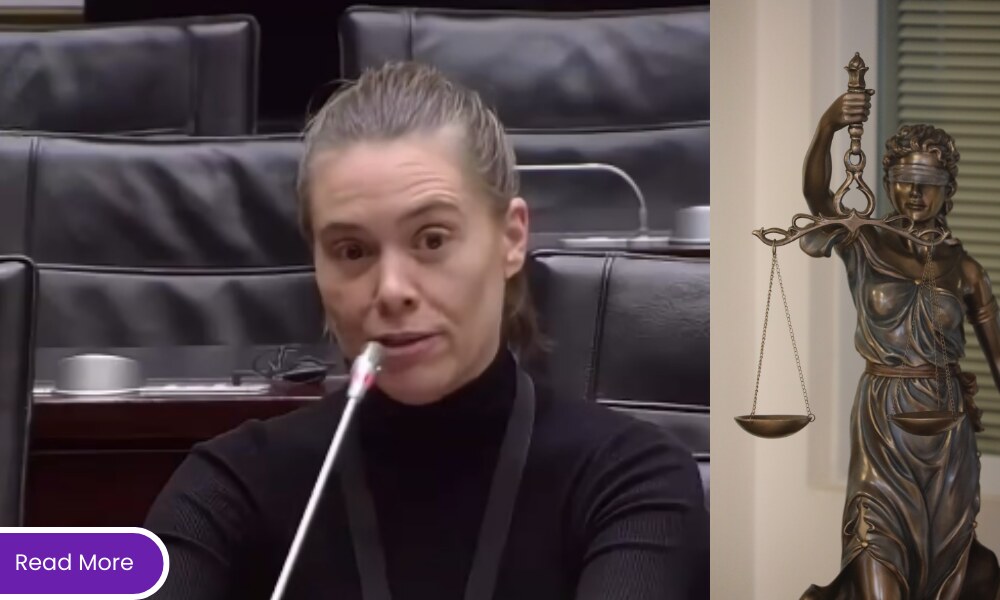
A new stage of Musk’s SEC settlement court scrutiny has begun in the legal dispute between Elon Musk and the U.S. Securities and Exchange Commission (SEC) regarding his Twitter (now X) share filings. The proposed settlement’s structure and fairness have drawn severe concerns from a federal judge, who called them “red flags,” indicating that the lawsuit is far from ended. The trend has raised awareness of corporate transparency, regulatory monitoring, and high-profile enforcement actions in the banking and technology industries.

The Significance of the Case

The action is based on claims that Elon Musk gave himself an unfair advantage in the market in 2022 by failing to disclose his increasing ownership in Twitter. According to the SEC, this delay permitted Musk to keep purchasing shares at reduced rates prior to his ownership becoming public.

The court is currently examining whether the proposed settlement actually advances the public interest or if it reveals more serious problems with regulatory management.

Important Developments in the Case

  • A federal judge questioned whether the SEC-Musk settlement was equitable.
  • There were issues with the agreement’s structure.
  • Musk’s trust paid a $1.5 million fine as part of the settlement.
  • At first, the SEC called for harsher sanctions, such as profit disgorgement.
  • Potential “irregularities” in the negotiating procedure were mentioned by the judge.
  • Final court approval is still waiting for the accord.

The Judge’s Highlights

The judge highlighted a number of issues:

  • Potential opaqueness in settlement talks
  • Musk’s dismissal as a direct defendant
  • decrease in monetary fines in comparison to the SEC’s first demands
  • Concerns regarding the agreement’s protection of the public interest

The court has demanded more explanations before clearing the deal because of these worries.

SEC History vs. Musk

Musk and the SEC have a long-standing regulatory relationship, which includes the current conflict. Previous instances consist of:

  • Prior sanctions for Musk’s remarks about Tesla in public
  • Continuous examination of disclosure regulations in significant stock purchases
  • A more thorough examination of Twitter share transactions in 2022

One of the most closely followed corporate legal disputes in the American financial system is the current case.

Impact on the Market and the Law

This case is being closely monitored since it deals with:

  • Standards for corporate governance
  • Rules for insider disclosure
  • Consistency in regulatory enforcement
  • Big Tech responsibility

According to legal experts, the judge’s worries may be:

Postpone the settlement’s approval or demand changes to improve the terms of compliance.

Settlement Disputes: Openness and Public Interest

Whether Musk was given preferential treatment over other business defendants is one of the main issues driving the investigation. Opponents point out that the arrangement permits Musk to pay a comparatively small $1.5 million fine through his family trust without acknowledging any wrongdoing. When the SEC first demanded reimbursement of the $150 million he purportedly saved by withholding the disclosure of his Twitter holdings, it raised concerns about whether the agency had complete jurisdiction to enforce securities laws.

This decision may establish a precedent for future enforcement, especially in high-profile IT acquisitions, according to legal observers.

Some worry that if the court accepts the deal without further protections, it would indicate a more lenient stance against powerful corporate executives, eroding public confidence in regulatory bodies.

Musk’s Justification and Continued Disputes

Musk and his legal team have continuously maintained that he did not purposefully postpone public reporting and that the disclosure obligations were unclear. Additionally, Musk implied that the SEC’s activities were politically motivated; this assertion was reinforced by his prominent position and prior dealings with regulators. In order to preserve market integrity and prevent high-net-worth persons from unfairly benefiting from stock transactions, the court must now balance these concerns.

Greater Consequences for Corporate Governance

This case has wider ramifications for corporate governance and compliance in addition to the immediate cash punishment. Executives and businesses are probably keeping a close eye on the SEC’s pursuit of settlements in complicated, high-value cases. In order to prevent similar legal issues, the scrutiny may prompt businesses to implement more stringent internal controls and prompt reporting practices.

Furthermore, the case raises significant issues regarding justice, accountability, and transparency in the US financial sector by highlighting the continuous conflict between executive influence and regulatory enforcement. The judge’s decision will be closely watched by investors, legal experts, and market players because it may have an impact on future SEC settlements and business disclosure policies across industries.

Visit: Latest Magazine

What Takes Place Next?

Before rendering a verdict, the court is anticipated to consider more filings from Musk’s legal team and the SEC. The result may change the structure of high-value regulatory settlements in the United States in the future.

Read our Exclusive Interview With Federico Vasoli

Former Willkie Farr Lawyer Turns Witness in Insider Trading Case

A “Former Willkie Farr Lawyer Turns Witness in Insider Trading Case” has significantly changed the course of the ongoing financial wrongdoing probe. Legal and business circles have taken notice of the development, particularly as federal authorities continue to increase their investigation into purported securities offenses.

Allegations of illicit trading based on private, confidential information, a fundamental breach of U.S. securities law are directly related to this case. The role of business advisors and attorneys is once again under scrutiny as the inquiry progresses, raising concerns about accountability, ethics, and compliance in high-stakes financial settings.

Background of the Case and Significant Developments

Legal experts and former workers involved in significant business transactions are allegedly involved in the probe. Whether confidential deal information was improperly disclosed or utilized for trading advantage is the main concern.

The person who was identified as a former Willkie Farr & Gallagher lawyer has now consented to assist investigators and is now a crucial witness in the investigation.

Authorities are investigating whether the use of private company data may have violated securities laws. The case is a part of a larger campaign against insider trading in the legal and financial industries.

Important Aspects of the Study

  • Misuse of confidential company information is alleged.
  • Pay attention to possible insider trading related to mergers or securities transactions.
  • A former attorney is currently assisting federal investigators.
  • Potential extension of charges to more people
  • Strong focus on noncompliance with regulations

Legal Professionals Under Examination

This case demonstrates how lawyer insider trading dangers are receiving more attention, especially when attorneys collaborate closely with corporate clients on mergers, acquisitions, and financial disclosures.

Strict ethical boundaries are crucial since attorneys frequently have access to extremely sensitive data, according to experts. Serious legal repercussions may result from even indirect abuse or exposure of such information.

Interest in how insider trading rules interact with legal advisory positions has increased due to the participation of people like Gabriel Gershowitz, Robert Yadgarov, and Nicolo Nourafchan in conversations about corporate legal knowledge.

Knowing the Laws Regarding Insider Trading

The purpose of insider trading regulations is to maintain transparent and equitable financial markets. Trading based on significant non-public knowledge is strictly forbidden, according to regulatory authorities.

Important regulatory organizations engaged are:

  • SEC Enforcement Division, U.S. Securities and Exchange Commission (SEC)
  • The Criminal Division of the United States Department of Justice (DOJ)

Together, these organizations look into financial misbehavior, impose sanctions, and uphold market integrity.

The Significance of This Case

The case is noteworthy because it explicitly links legal experts to claims of insider trading. It also calls into question the ethical obligations of corporate advisors and the culpability of “insider trading attorneys.”

Consequences for the Sector

  • Increased regulatory oversight of advisors and legal firms
  • More stringent regulations for corporate dealings
  • Professionals handling sensitive data are more likely to face legal repercussions
  • Increased focus on ethical monitoring and training programs

Visit: Latest News

Corporate Legal Knowledge and Insider Trading

A growing concern in the financial markets is reflected in the phrase “insider trading and the legal expertise of corporate executives.” Due to their frequent involvement in intricate transactions, legal advisers have access to confidential information that needs to be properly safeguarded.

When boundaries are breached, whether on purpose or accidentally, there may be criminal charges, civil penalties, and long-term harm to one’s professional reputation.

Increasing Legal and Compliance Risks in the Financial Markets: An Insider Trading Case

The “Former Willkie Farr Lawyer Turns Witness in Insider Trading Case” development emphasizes how important financial compliance is in the linked business world of today. Key witnesses’ participation may enable investigators to fully reveal the extent of the alleged misbehavior as the inquiry progresses.

The case serves as a reminder that ethics, transparency, and strict adherence to securities rules continue to be crucial pillars of the legal and financial systems, even as authorities step up their enforcement efforts.

Visit Our Latest Interviews

Dred Scott Case: Revisiting a Landmark 1857 Supreme Court Decision in 2026

In 1846, Dred Scott Case, a Black man who was owned, and his wife, Harriet, made a daring move toward freedom by bringing a case in St. Louis Circuit Court. Their appeal was straightforward: they maintained that because they had lived for an extended period of time in a free country where slavery was prohibited, they should be legally free. The Scotts lived with their enslaver, an army surgeon, at Fort Snelling in the free territory of Wisconsin, which strengthened their case.

Their lawsuit looked to be simple and precedent-based, as courts had previously ruled in favor of enslaved individuals living in free territory. However, what appeared to be a private legal case grew into a serious national discussion about the constitutionality of slavery. After years of court battles in Missouri and federal courts, the issue eventually reached the United States Supreme Court, becoming one of the most contentious judicial rulings in American history.

Dred Scott Case: A Defining Moment in US Legal History

By the time the case arrived at the Supreme Court in 1857, the country was bitterly divided on slavery. The decision, delivered by Chief Justice Roger B. Taney, dealt a crushing blow to abolitionists and Black Americans. The majority ruling stated that enslaved individuals were not citizens and thus had no standing to suit in federal court. In addition, it claimed that Congress lacked the authority to ban slavery in federal areas.

By the time the case reached the Supreme Court in 1857, the country was deeply divided over slavery. The ruling, delivered by Chief Justice Roger B. Taney, was a crushing blow to abolitionists and Black Americans. The majority opinion stated that enslaved people were not citizens and hence lacked standing to sue in federal court. Furthermore, it argued that Congress lacked the jurisdiction to prohibit slavery in federal lands.

Reexamining the Dred Scott decision in 2026 offers crucial insights for today’s law leaders and policymakers. Understanding this case helps highlight the importance of constitutional protections, the perils of judicial overreach, and the long fight for civil rights.

The Supreme Court’s ruling, later overturned by the 13th and 14th Amendments, serves as a sobering reminder of how legal interpretations can shape and sometimes distort justice and equality. Revisiting this history emphasizes the ongoing responsibility of courts to uphold human dignity and constitutional values.

As legal debates continue worldwide on civil rights and freedoms, the Dred Scott case remains a critical reference point. Its legacy underscores the need for vigilance in protecting rights and combating discrimination under the law.

Also read: Trump’s Legal Battles

In conclusion, the Dred Scott case is not just a historical footnote but a continuing lesson for law leaders and society. Reflecting on its impact in 2026 helps reinforce the principles of justice and equality that remain essential to America’s legal and moral foundation.

Reexamining History: The 2026 Dred Scott Case

One of the most important decisions in American history, the Dred Scott Supreme Court judgment from 1857 continues to influence discussions about justice, rights, and citizenship. Examining this case again in 2026 provides a chance to consider how far legal systems have come and how contemporary society is still struggling with issues of civil rights, equality, and judicial accountability.

Insights for Contemporary Legal Frameworks

Historical cases like Dred Scott are now being used by legal scholars and policymakers to inform AI-driven legal research, predictive justice systems, and court bias identification. The justice system can foresee systematic injustices and advance more equitable results by using contemporary methods to analyze previous judicial blunders.

Technology Integration for Ethical Governance

Technological developments enable courts to use digital records, data analytics, and AI-powered research to stop judgments that might violate people’s rights. Examining Dred Scott’s legacy again emphasizes the necessity of human-centered AI and ethical frameworks in government, making sure that past errors inform present and future choices.

Visit: Latest Magazine

Connecting the Past and the Future

Thinking back on previous cases like Dred Scott in 2026 inspires society to combine knowledge of the past with innovative solutions. The legal system can strive toward a future that is more just, equal, and responsible by taking lessons from the past and utilizing technology wisely.

Sarah Jane Trent and Robert McBride Case Explained

The names Sarah Jane Trent and Robert McBride have recently drawn attention as discussions surrounding the Sarah-Jane Trent case continue to circulate across national news platforms and online forums. As more details surface, people are increasingly searching for clear information about who Sarah Jane Trent is, how Robert McBride is connected, and why the case has generated widespread interest.

The Trent–McBride discussion highlights broader questions about accountability, public interest, and the role of authorities when high-profile cases emerge. Analysts note that the connection between Sarah Jane Trent and Robert McBride has become a focal point of public debate, prompting legal experts and commentators to examine the timeline, statements, and developments linked to the case.

While verified information remains limited in some areas, the Sarah-Jane Trent and McBride story continues to evolve. Understanding the background, key figures, and ongoing developments helps provide a clearer picture of why the case is gaining national attention.

Who Is Sarah Jane Trent?

Sarah Jane Trent has become a widely discussed figure as details surrounding the case began appearing in news reports and online searches. Interest in Sarah-Jane Trent increased as audiences attempted to understand her background, role, and connection to the broader developments being discussed.

Public interest in Sarah Jane Trent largely stems from the circumstances that brought her name into national conversations. Observers note that cases involving individuals who suddenly appear in headlines often raise questions about personal history, legal context, and the events that led to the current situation.

As coverage expands, more verified information about Sarah Jane Trent may emerge, helping clarify the circumstances that placed her at the center of attention.

Robert McBride’s Role in the Case

The involvement of Robert McBride has further intensified public interest. Known for his experience in leadership and public service roles, McBride has become a key name associated with the discussion around the Robert McBride Trent case.

Reports referencing Robert McBride often focus on his professional background and the potential relevance of his position to the ongoing developments. Because of his public profile, any connection involving McBride tends to attract significant media and public scrutiny.

As the situation unfolds, observers continue to analyze how Robert McBride fits into the broader narrative and what implications it may have for the case moving forward.

Why the Sarah Jane Trent and McBride Case Matters

The growing attention surrounding Trent and Robert McBride reflects the public’s increasing interest in transparency and accountability. Cases that involve recognizable figures or raise legal and ethical questions often gain rapid traction across news outlets and search platforms.

For many readers, understanding the Sarah-Jane Trent and McBride developments is important not only because of the individuals involved but also because of the broader discussions about governance, legal procedures, and public trust.

As updates continue to emerge, the Sarah Jane Trent-Robert McBride case is likely to remain a topic of national interest, with journalists and analysts closely monitoring every new development.

Visit: Latest News

What Happens Next in the Sarah Jane Trent Case

As the story continues to evolve, many questions surrounding The Trent and Robert McBride remain the subject of close observation. Legal experts and analysts expect further clarification as official statements, investigations, or reports provide additional insight.

For now, the Trent and McBride developments remain an important story being followed by journalists and the public alike. Future updates may help clarify outstanding questions and provide a more comprehensive understanding of the case.

Until then, the situation serves as a reminder of how quickly certain issues can capture national attention and how crucial accurate information is in shaping public understanding of complex news stories.

Read more: Dred Scott Case: Revisiting a Landmark 1857 Supreme Court Decision in 2026

Supreme Court Decision Reshapes Trade Powers as Trump Pushes 15% Tariff

As the US Supreme Court renders a decision that may alter how trade actions are implemented by succeeding administrations, the current discussion regarding the president’s jurisdiction over tariffs has heated up. In the meantime, former US President Donald Trump is advocating for a 15% worldwide tariff, which raises concerns about what has changed, what is still in place, and what will happen to US trade policy in the future.

Interest in this situation has grown across the country, particularly among people who want to know if the Supreme Court has decided on Trump’s tariffs. When will the Supreme Court rule on tariffs, and what impact will the ruling have on the IEEPA’s tariff powers?

A Decision Redefining the President’s Tariff Authority

The most recent decision represents a significant change in the way federal law can be used to apply tariff powers. Legal experts have been speculating for months about whether the court will sustain or reject earlier tariff acts. During hearings, several have noted that the “Supreme Court seems skeptical of Trump’s tariffs.” The ruling demonstrates the court’s growing reluctance to provide the president extensive jurisdiction over trade issues, particularly when tariffs are imposed without first receiving consent from Congress.

The use of tariffs under the International Emergency Economic Powers Act (IEEPA), a measure initially created for national security emergencies, was a key area of focus. Opponents claimed that applying IEEPA to reciprocal tariffs went beyond what the statute was designed to do. The argument over the “IEEPA tariff Supreme Court” central as the court reviewed whether such actions were legally justified.

Trump’s Call for an International 15% Tariff

Trump reaffirmed his proposal for a 15% universal import tariff after the judgment, arguing that it was an essential step toward rebalancing international commerce and protecting the economy. The “Supreme Court ruling on reciprocal tariffs” and whether a future administration could lawfully impose such expansive tax measures without parliamentary support have been brought back into the spotlight by the idea.

Future presidents will still have some tariff authority despite the ruling. Rather, it limits the scope and calls for more precise legal rationale, which will influence discussions about the “Supreme Court ruling on Trump today.”

What Modifies, What Doesn’t

The president can no longer impose reciprocal or significant blanket tariffs using emergency statutes like IEEPA.

Any future tariff must be based on a legally justified national security or economic rationale.

The importance of congressional monitoring of trade decisions has increased.

What Remains the Same

  • Under a number of trade statutes, such as Section 232 (national security) and Section 301 (trade breaches), the executive branch is still able to apply tariffs.
  • If provisions are fulfilled, tariffs pertaining to national emergencies are unaffected.
  • Retaliatory taxes linked to international agreements and negotiated trade restrictions are still in effect.
  • Global and Economic Consequences

Economists caution that while changing the president’s tariff powers would increase trade stability, it might also slow down the executive branch’s capacity to act quickly in emergency situations. As U.S. trade policy signals change once more, international markets are keeping a careful eye on the situation.

Nations with close export connections to the United States are reassessing their risk exposure, especially if Trump’s 15% tariff proposal becomes politically popular. Countermeasures from international trading partners could have an impact on supply chains.

Visit : Latest Magazine

What Comes Next?

A more legally organized approach to U.S. tariff policy is made possible by the verdict. It also means that when enforcing universal tariffs, any future administration, including one led by Trump, will have to deal with stricter legal restrictions.

The upcoming months will probably include:

Additional legal analysis of the Supreme Court’s “ruling on tariffs”

Action by Congress to elucidate tariff authority

Economic analyses of the possible effects on American households of a 15% tariff

For the time being, companies, governments, and international markets need to adjust to this new phase of trade regulation.

Read more: Supreme Court Steps In: Can Bayer Finally Curb Roundup Cases in the USA?

U.S. Supreme Court Embraces Tech: A New Era for Justice

The U.S. Supreme Court has started incorporating cutting-edge technology to improve transparency, expedite case assessments, and fortify conflict-of-interest detection, a move that many experts refer to as “ushering a new era” for the American legal system. This technical development represents a significant change in how the Court is ready for upcoming legal challenges influenced by Big Tech and changing public expectations, as discussions around significant cases—from illogical giveaways to affirmative action to AI-related petitions like the DABUS case continue.

A Significant Change: The Supreme Court Expands Its Use of Technology

The new digital measures coincide with reports that “the U.S. Supreme Court has handed Big Tech a big gift” in a number of recent decisions pertaining to internet platforms, data, and privacy. Although the Court argues that its rulings are consistent with constitutional interpretation, detractors contend that the judiciary must also update its own procedures in light of the swift growth of digital ecosystems.

Analysts view the Court’s adoption of automated disclosure mechanisms and secure digital screening technologies as a proactive move to guarantee that future Supreme Court tech issues are handled with greater transparency and accountability.

Improving Equity in a Changing Legal Environment

Nationwide discussion has been triggered by recent historic rulings, especially the affirmative action ruling from the U.S. Supreme Court. These decisions demonstrated the mounting strain on the Court to exhibit impartiality, consistency, and openness as social divisions deepen.

The new technology seeks to help achieve that objective by:

  • Notifying justices of possible conflicts
  • Simplifying the evaluation of documents
  • Facilitating quicker financial disclosure cross-referencing
  • Increasing case-assignment workflow accuracy

These enhancements may “set the tone for a future where judicial responsibility is strengthened through intelligent systems,” according to legal scholars.

Automation, AI, and the Future of the High Court

The U.S. Supreme Court’s DABUS petition, which questions established notions of inventorship as AI-generated works become more common, is another issue that is garnering international interest. Experts think that implementing internal tech tools indicates preparedness for a future full of AI-driven legal concerns, even though the Court has not yet rendered a decision on the issue.

This change has been dubbed “historic” by some observers, who contend that the judiciary needs to change to keep up with the digital challenges posed by automation and Big Tech.

Handling High-Impact Cases and Public Scrutiny

Public scrutiny has increased since the Supreme Court started hearing arguments in the unjustified freebies issue. Observers think that the necessity to boost public trust during contentious proceedings is one of the factors driving the Court’s usage of technology.

Technology integration may be beneficial.

  • Increased openness in cases that are politically delicate
  • Shorten the duration of well-known hearings
  • Boost public confidence by making procedures more transparent.

The judiciary may be better equipped to handle the growing number and complexity of contemporary cases as a result of this shift.

The TCS Perspective: Monitoring Technology Collaborations

Following rumors about outside consulting models, searches for “US Supreme Court TCS” have increased. Experts speculate that the Court’s modernization initiatives might involve partnerships with domestic or international tech companies for the building of secure infrastructure, even if no formal affiliation has been verified.

Given the current discussions over the impact of technology on legal and governmental processes, any such collaboration would attract attention.

Visit: Latest Magazine

A Judicial System Preparing for the Future

As technology transforms every sector, the U.S. Supreme Court’s decision to modernize is a critical milestone. From digital conflict-check systems to automated document mapping, these advancements aim to improve operational efficiency and maintain judicial integrity in an era where legal issues are more complex than ever.

Legal analysts describe this transition as the Court’s attempt at “ushering in a new era of digital justice.”

Read more: Trump’s Legal Battles: A Guide for Law Leaders

Liebeck v. McDonald’s Restaurants Case: Why the McDonald’s Hot Coffee Still Matters

The 1994 case Liebeck v. McDonald’s Restaurants is frequently viewed as a joke about a woman pouring coffee on herself. However, for today’s legal leaders, particularly those influencing laws, corporate strategy, and litigation in 2026, this case remains one of the most significant product liability decisions in contemporary US legal history.

At its heart, the case was never about carelessness. It was about corporate responsibility, consumer safety, and how the law reacts when a firm intentionally overlooks risk.

What Really Happened and Why It Matters

Stella Liebeck, a 79-year-old client, got serious third-degree burns after spilling McDonald’s coffee, which was served at temperatures ranging from 180 to 190°F. The evidence produced in court revealed that McDonald’s had received hundreds of earlier complaints about burns from its coffee but opted not to lower the temperature. Internal documents revealed that the corporation was aware of the risk but decided that filing a lawsuit was less expensive than changing its methods.

For today’s the law, this highlights an important principle: foreseen harm paired with inaction can result in gross negligence. In an era where businesses rely on data, analytics, and internal reporting, courts are increasingly expecting decision-makers to take action on identified risks.

A Turning Point in Product Liability Law

The jury’s decision sent a strong message: large corporations are not immune from accountability simply because a product is common or widely accepted. The punitive damages, though later reduced, were meant to reflect McDonald’s daily coffee profits—underscoring that penalties must be meaningful enough to change behavior.

In 2026, this lesson is more relevant than ever. From AI-driven products to consumer health goods and autonomous technologies, courts continue to ask the same question raised in Liebeck: Did the company know the risk, and did it choose profit over safety?

Why Legal Leaders Still Study This Case

For judges, regulators, general counsels, and policy leaders, Liebeck v. McDonald’s is a case study in:

  • Risk management failure
  • The power of internal evidence
  • The purpose of punitive damages
  • How public narratives can distort legal truth

It also reminds legal professionals that jury decisions often reflect community standards, not corporate logic. Understanding public perception and ethical responsibility is now as important as understanding statutes and precedents.

The impact of Liebeck v. McDonald’s on history

Decades after the notorious 1994 case, Liebeck v. McDonald’s restaurants continues to be a major topic of conversation on consumer rights, corporate responsibility, and product safety. What many initially wrote off as a strange case has turned into a crucial lesson for companies navigating a world of hyper-awareness, social media criticism, and real-time customer feedback.

Technology and consumer safety

Companies can now proactively prevent events like hot beverage burns using AI-powered risk management, IoT-enabled product monitoring, and automated quality control. However, Liebeck’s instance serves as a reminder that technology isn’t sufficient on its own; accountability culture, safety procedures, and clear labeling are just as important. The legacy of the lawsuit influences how companies strike a balance between innovation and human safety as they compete in marketplaces that are becoming more automated and digitalized.

directing the expectations of contemporary consumers

Customers’ expectations are still impacted by the case: open communication, recourse, and business ethics are now more important than ever in fostering loyalty. The concepts emphasized by Liebeck’s experience serve as a reference for contemporary product design, risk reduction, and business decision-making in anything from driverless delivery trucks to smart kitchens.

A business strategy for the future

In summary, the McDonald’s hot coffee case is not merely a piece of history; rather, it serves as a roadmap for the future, guiding ethical business practices and protecting consumers in 2026 and beyond.

Visit: Latest Articles

A Lasting Lesson for 2026 and Beyond

The fundamental legacy of the McDonald’s hot coffee case is not about coffee, but about business decisions. Legal leaders today face increased transparency, social accountability, and immediate public criticism. The Liebeck case shows how ignoring minor warnings can result in major legal consequences.

For modern legal leadership, the message is clear: safety is not a cost; it is a duty. And when that duty is ignored, the law will respond.

Read our exclusive interview with Milan Dordevic

Supreme Court Steps In: Can Bayer Finally Curb Roundup Cases in the USA?

The US Supreme Court will hear Bayer’s latest legal push to restrict responsibility in Roundup-related cancer lawsuits. But what does this decision signify for consumers, pesticide manufacturers, and the future of product liability law in the United States?

This development quickly became a focal point in national legal and commercial circles, particularly given the thousands of pending lawsuits around the country.

What Is the Supreme Court Being Asked to Decide?

At the heart of the case is a simple but powerful question:
Can federal law shield pesticide manufacturers from state-level lawsuits?

  • Bayer argues that Roundup’s labeling was approved by the Environmental Protection Agency (EPA).
  • The company claims this federal approval should override state laws that allow failure-to-warn claims.
  • If accepted, this reasoning could significantly curb Roundup cases USA-wide.

The Supreme Court’s decision on whether to hear and side with Bayer could redefine how federal and state laws interact in product liability cases.

Why Is Bayer Pushing So Hard Now?

Bayer has already paid billions of dollars to settle Roundup-related lawsuits alleging links to cancer, particularly non-Hodgkin lymphoma. Looking these settlements, thousands of new claims continue to emerge.

Key reasons behind Bayer’s legal strategy include:

  • Reducing long-term financial exposure
  • Creating a uniform national standard for pesticide labeling
  • Preventing what it calls “inconsistent jury verdicts” across states

For Bayer, this case is not just about Roundup; it’s about setting a precedent.

How Could This Impact Ongoing Cancer Lawsuits?

If the Supreme Court rules in favor of Bayer, the impact could be immediate and far-reaching.

  • Many existing lawsuits could be dismissed or weakened
  • Future cancer-related claims against pesticide makers may face higher legal barriers
  • Plaintiffs may find it harder to argue that warnings were inadequate

However, if the court rejects Bayer’s argument, state courts will retain broad authority to hold manufacturers accountable.

What Does This Mean for Consumers and Public Health?

From a consumer perspective, the case raises critical concerns.

  • Should federal regulators have the final say on product safety warnings?
  • Do consumers lose protection if state-level lawsuits are limited?

Public health advocates argue that lawsuits play a vital role in uncovering risks that regulators may overlook. On the other hand, industry groups say excessive litigation discourages innovation and creates uncertainty.

Why Is This Case So Important for the USA?

Legal experts believe the ruling could go far beyond Roundup.

  • It may affect pharmaceuticals, chemicals, and medical devices
  • Companies across industries are closely watching the outcome
  • The balance of power between federal agencies and state courts is at stake

In short, this case could reshape how corporate accountability works in the USA.

What Happens Next?

The Supreme Court will first decide whether to fully take up Bayer’s appeal. If it does, a final ruling is expected later this year.

Until then, one question dominates the conversation: Will this decision finally curb Roundup cases in the USA, or open the door to even broader legal challenges ahead?

A Pivotal Moment in Court Cases

The Supreme Court’s involvement may be a game-changer for Bayer, changing the way that product liability and corporate responsibility are handled in American courts. Predictive modeling and advanced data analytics may someday have an impact on how cases like Roundup are evaluated, speeding up resolutions and easing courtroom traffic.

In order to avoid future mass lawsuits, Bayer and other businesses might implement proactive compliance systems and AI-driven risk management. This case foreshadows a future in which corporate strategy, technology, and law will join together to produce quicker, more accurate legal decisions and drastically change how innovation and public safety interact.

As the legal struggle progresses, the repercussions are expected to reverberate throughout courtrooms, boardrooms, and households across the country.

Read our Latest Interview with Eric Fong 

Schenck v. United States: The Wartime Case That Redefined Free Speech Limits

Schenck v. United States (1919) is still one of the most influential and widely quoted decisions in American constitutional law. The case, decided during the tumultuous context of World War I, established a legal framework that changed how courts consider the limits of free expression under the First Amendment.

At its core, the case addressed a basic dilemma for democracies facing national crises: when does speech become hazardous enough to warrant government intervention? Schenck v. United States teaches legal leaders, legislators, and constitutional attorneys valuable lessons about balancing civil freedoms and national security.

The issue began when Charles Schenck, General Secretary of the Socialist Party of Philadelphia, distributed thousands of leaflets denouncing the military draft. The pamphlets stated that conscription violated the Thirteenth Amendment’s prohibition on involuntary servitude and advocated against enlistment. At the time, Congress passed the Espionage Act of 1917, which criminalized conduct that hampered the war effort.

Federal authorities viewed the leaflets as a direct threat to military recruitment. Schenck and his associate, Elizabeth Baer, were convicted under the Espionage Act. They appealed, arguing that their prosecution violated the First Amendment’s guarantee of free speech.

The Supreme Court unanimously rejected this argument. Writing for the Court, Justice Oliver Wendell Holmes Jr. articulated what became known as the “clear and present danger” test. Holmes reasoned that speech intended to produce a crime, and that posed a clear and immediate risk of doing so, was not protected by the Constitution.

Holmes famously demonstrated his point by claiming that free speech does not include the freedom to falsely yell “Fire!” in a crowded theater. This analogy became one of the most memorable metaphors in American legal history, and it is still disputed in both courtrooms and classrooms.

Why Schenck v. United States Matters for Legal Leaders

For lawyers and legal strategists, Schenck v. United States is important not because it reflects modern free speech doctrine, but because it marks a critical stage in its evolution. The decision showed how constitutional interpretation can shift in response to political pressure, wartime fears, and public safety concerns.

The ruling also judicial deference to government authority during emergencies. Holmes explicitly noted that rights may be interpreted differently in wartime than in peace. This principle continues to influence legal debates surrounding national security, terrorism laws, and emergency powers.

Over time, the “clear and present danger” test became increasingly controversial. Critics argued that it allowed excessive suppression of political dissent. Later Supreme Court decisions gradually narrowed its scope, demanding stronger proof of imminent harm before restricting speech.

The Schenck doctrine was ultimately replaced in 1969 by Brandenburg v. Ohio, which introduced the modern “imminent lawless action” standard. Under this test, speech can only be punished if it is intended and likely to produce immediate illegal conduct.

Despite being doctrinally obsolete, Schenck v. United States remains essential reading for legal professionals. It demonstrates how constitutional rights are shaped by historical context and how legal standards evolve through challenge and refinement.

For today’s legal leaders, the case serves as a cautionary precedent. It reminds courts, lawmakers, and attorneys that fear-driven restrictions can outlast the crises that created them. At the same time, it underscores the judiciary’s role in defining the boundaries of lawful expression.

Also read: Dred Scott Case

More than a century later, Schenck v. United States remains a key event in First Amendment interpretation, providing lasting insights into the relationship between liberty and security in American law.

Trump’s Legal Battles: A Guide for Law Leaders

Mon 19 Jan 2026, President Donald Trump’s Legal Battles: An investigation of nearly 400 cases highlights a curious legal trend. The administration lost nearly twice as many cases as it won in trial court. However, when these defeats were appealed, the success rate significantly improved. This dynamic provides a crucial learning opportunity for legal professionals and leaders to better grasp the strategic value of appeals.

The Trump administration faced a difficult legal landscape in 2017, with courtroom failures that might have hampered policy enforcement and governance. Despite these obstacles, the appeals procedure has proven to be an important tool for changing unfavorable verdicts. This demonstrates the vital role appellate courts play in determining the eventual outcomes of high-profile government cases.

Trump Lost Most Cases But Often Won Appeals

The data analyzed by Global Leaders Views magazine covered more than 400 lawsuits involving the Trump administration during its first year of the second term. The numbers show the administration encountered significant challenges at the trial stage, with the majority of cases decided against it. Still, the appeal phase presented a different picture, as many rulings were overturned or remanded, showcasing the appellate courts’ influence in refining legal interpretations.

For law leaders, these findings underscore the importance of thorough appellate strategy planning. Trial court outcomes, while impactful, do not always represent the final verdict. Appellate success can reshape legal landscapes and set enduring precedents, especially in cases involving governmental powers and executive actions.

The review suggests that initial trial court losses should not discourage legal teams. Instead, these setbacks may signal opportunities to pursue appeals that offer higher chances of favorable results. Developing a robust approach to appeals can prove indispensable in defending complex and politically sensitive cases.

President Donald Trump’s Legal Battles

Legal experts may also consider this data when advising clients or formulating litigation strategies. Understanding that appellate courts frequently act as an important check on trial court decisions encourages persistence and long-term planning in contentious cases.

Moreover, the Trump administration’s appellate victories demonstrate how appeals courts often provide a more nuanced examination of legal issues. This reinforces the significance of framing legal arguments carefully at both trial and appellate levels to maximize success.

At last, the Trump administration’s court experiences during its second term’s first year provide vital lessons for the legal profession. While the administration suffered numerous losses in trial courts, its improved success on appeal demonstrates the efficacy of appellate advocacy. For legal executives, using the appellate process as a strategic tool can result in better legal outcomes and a stronger defense in complex litigation scenarios.

This case study not only provides insight into government litigation patterns, but it also acts as a useful guide for legal professionals negotiating difficult judicial situations. Recognizing the potential for appellate success allows legal leaders to better prepare to defend and promote their clients’ interests in court.

Handling Tough Trump’s Legal Battles Situations

Executives and legal leaders’ perspectives on risk are changing as a result of Donald Trump’s continuing legal disputes. Understanding these cases provides insights into strategic decision-making that is being scrutinized, ranging from corporate governance to compliance.

Implications for Leadership and the Law

These changes underscore the importance of ethical governance, regulatory foresight, and proactive risk management for legal executives. Businesses can use lessons learned from high-profile incidents to predict problems before they become more serious.

Visit: Latest Magazine

Getting Ready for a Complicated Future

Leaders need to use predictive legal tools and data-driven tactics as the legal landscape changes. Trump’s cases serve as a reminder that managing complex legal situations requires foresight, agility, and ingenuity.

Also read: Top 7 Features of Amazon’s New Big-Box Retail Store