
2025 was a dramatic year for the Canadian energy sector, with notable advancements in oil, gas, and renewable energy influencing the course of the sector. These developments, which included both technological and legislative improvements, paved the way for a revolutionary 2026. To navigate Canada’s energy future, investors, legislators, and industry observers must comprehend these developments.
Top Energy Milestones in Canada for 2025
- Oil and Gas Developments in Alberta
With new projects and expansions announced throughout the province, Alberta remained at the forefront of Canada’s oil and gas industry. Canada’s standing as a major provider of energy was strengthened by continued investment in pipeline infrastructure and extraction technologies. See Alberta Oil and Gas News for comprehensive coverage.
For detailed updates, see Alberta Oil.
- Updates on Regulations and Policies
Environmental restrictions impacting energy production were updated in 2025. Companies adopted greener practices and cutting-edge technologies as a result of policymakers’ focus on striking a balance between growth and sustainability. For businesses considering long-term operations, these adjustments are essential. - Innovations in Technology Increasing Efficiency
Canadian energy companies adopted technology to boost productivity and cut expenses, from sophisticated drilling methods to AI-powered energy management. Predictive analytics and digital monitoring helped maximize output while guaranteeing adherence to environmental regulations. - Momentum for Renewable Energy
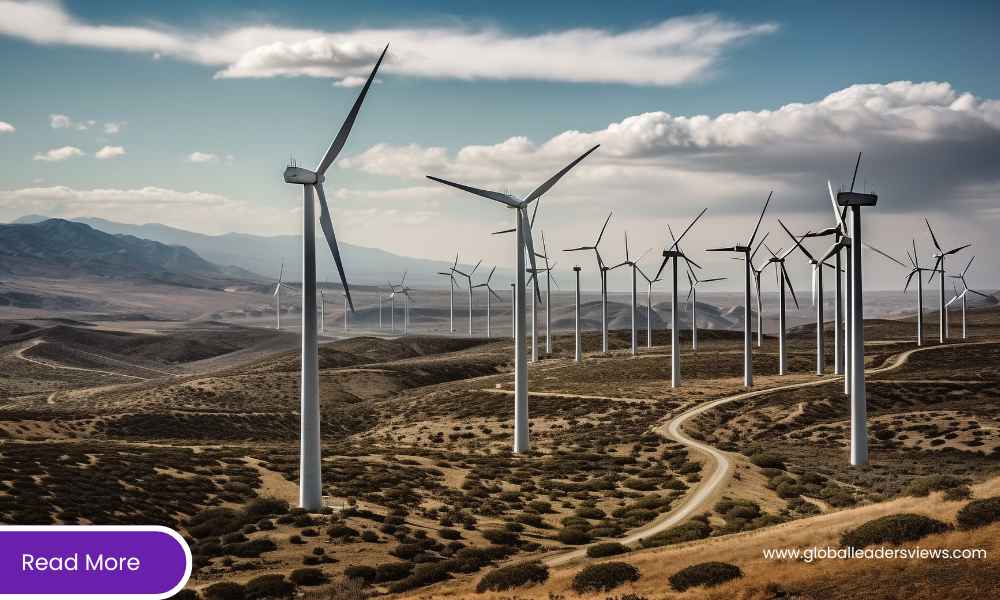
Canada made progress in adopting renewable energy, but oil and gas continued to play a major role. Projects involving wind, solar, and hydroelectric power gained traction, indicating a slow transition to a more varied energy mix.
For more on international oil trade tensions, see our article on U.S. Seizes Oil Tanker Off Venezuela’s Coast.
A New Era of Reinvention Begins for Canada’s Energy Sector
In 2025, Canada’s energy environment demonstrated a unique combination of resiliency and innovation. From significant advances in renewable energy to calculated investments in oil and gas, the industry showed that it could adjust to changes in the world while maintaining the stability of the domestic economy. Clean energy subsidies, private investment, and technical advancements have led to a rise in project pipelines in provinces including British Columbia, Ontario, and Alberta. A wide government-industry push to reduce emissions without sacrificing energy reliability led to the development of hydrogen plants, carbon capture networks, and sophisticated battery storage systems as important foundations of national energy planning.
Canada solidified its standing as a reliable energy supplier while supply chain problems and geopolitical tensions changed international markets. Export trends in LNG, essential minerals, and clean technology solutions increased dramatically, supporting the country’s energy transformation objectives and diversifying its sources of income. These advancements established Canada as a global leader in sustainable production as well as a provider of resources.
The Power Systems for 2026 and Beyond
Canada’s energy industry is getting ready for a future characterized by decentralized renewable infrastructure, AI-driven optimization, and smart grids by 2026. Everything from industrial processes to residential energy consumption is about to change due to emerging technologies. By dynamically modifying electricity distribution in response to current demand, AI-enabled grids will lower outages and increase efficiency. In the meanwhile, microgrids in rural and northern regions will increase resilience by enabling local areas to function independently in the event of outages or harsh weather.
As federal regulations and investments coincide with sustainability standards, it is anticipated that hydrogen-powered transit systems, autonomous mining operations, and low-carbon industrial corridors would gain momentum. Major industries will be able to significantly reduce emissions with the aid of carbon capture hubs combined with digital monitoring technologies, assisting Canada’s transition to a net-zero future.
The Impact of Energy Innovation on Daily Life
A profoundly human metamorphosis is hidden behind the technology. Even in outlying areas, Canadians will benefit from quieter cities with cleaner air, more reasonably priced electricity, and more dependable power availability. Thousands of people will have new economic prospects as new green occupations in engineering, digital operations, environmental management, and community energy programs arise.
In the end, Canada’s energy future will be measured not only in megawatts and minerals but also in more sustainable lifestyles for future generations, empowered workers, and healthier communities.
Visit: Latest Magazine
Future Outlook
Canada’s energy sector remains at the intersection of opportunity and challenge. With strong foundations in oil and gas, coupled with a growing focus on renewables and technology, 2026 promises a dynamic landscape for the industry. Staying informed through trusted sources like Financial Post Energy and energy newsletters ensures stakeholders remain ahead in a rapidly evolving market.
Learn more about innovation in Canada’s energy sector
- Ken Dychtwald: The Thought Leader Who Turned Curiosity into a Global Movement on Aging and Human Potential
- Fredrik Laseen: Crafting Authentic Luxury Through People, Culture, and Purpose
- Bank of Spain Urges Caution in AI Tool Adoption
- Musk’s SEC Settlement: A Closer Look at the ‘Red Flags’
- The US Stock Market Rises Today Due to Another Alphabet Rally