Larry Ellison: Silicon Valley’s Most Private Billionaire

Larry Ellison, the co-founder and former CEO of Oracle Corporation, has long been one of the most enigmatic and private figures in the world of technology. While he is a billionaire and a key player in Silicon Valley, Ellison has managed to keep his personal life remarkably private, an almost paradoxical stance for someone who has had such a profound influence on the digital age. Despite being a central figure in the development of enterprise software, cloud computing, and big data solutions, Ellison shuns the public spotlight, a characteristic that only fuels the intrigue surrounding him.

This article looks into the life of Larry Ellison, examining his journey from humble beginnings to becoming one of the most powerful tech entrepreneurs of the modern era, as well as his distinct approach to both business and privacy.

The Early Life of Larry Ellison

Larry Ellison was born on August 17, 1944, in New York City. Raised by his mother, who was an unwed graduate student, Ellison’s early years were marked by a sense of instability. His biological father, whom he never knew, left the family before Ellison was born, leaving his mother to raise him with the help of relatives. Despite these challenges, Ellison exhibited a remarkable aptitude for academics, particularly in mathematics and science.

Ellison’s journey to success wasn’t immediate. He attended the University of Illinois at Urbana-Champaign but dropped out before completing his degree, a common trait among Silicon Valley’s most successful entrepreneurs. He later moved to California, where he worked for a number of tech companies before founding Oracle in 1977. His early exposure to the world of databases and software development set the stage for the global empire he would go on to build.

The Rise of Oracle Corporation

In 1977, Ellison co-founded Oracle Corporation, a company that would revolutionize the way data was stored and accessed by businesses. Oracle’s relational database management system (RDBMS) was a game-changer, offering companies a more efficient and scalable way to manage their data. This marked the beginning of Ellison’s dominance in the tech world.

Oracle’s early success was fueled by Ellison’s keen understanding of the needs of large enterprises, as well as his ability to sell the company’s product to major corporations. By the mid-1980s, Oracle had already become one of the largest database software companies in the world, and its Initial Public Offering (IPO) in 1986 made Ellison a multi-millionaire.

What set Ellison apart from many of his contemporaries was his aggressive business strategies and his vision for the future of technology. While other companies focused on hardware or operating systems, Ellison recognized the growing need for businesses to manage vast amounts of data in a more structured way. His foresight in this area allowed Oracle to dominate the enterprise software space, and the company’s success continued to skyrocket as it expanded into cloud computing and big data in the 2000s.

The Billionaire’s Lifestyle and Privacy

Despite his immense wealth and success, Ellison is famously private. He has rarely sought the spotlight, preferring to remain behind the scenes. His lifestyle is an interesting contrast to his public persona. Ellison is known for his lavish spending habits, including the purchase of an entire Hawaiian island, private jets, and an extensive art collection, yet he rarely appears in the media.

One of the key factors that contributes to Ellison’s privacy is his disdain for the media. He has often expressed frustration with the press, stating that journalists do not fully understand the complexities of the tech industry. His lack of social media presence is also notable, especially given the fact that many other tech entrepreneurs, such as Elon Musk and Mark Zuckerberg, actively use platforms like Twitter and Facebook to engage with their audiences.

Ellison’s love for privacy is also reflected in his choice of living arrangements. In addition to his Hawaiian island, Ellison owns several properties around the world, including a palatial mansion in Malibu and a luxurious estate in Woodside, California. However, he has rarely been seen in public and his personal life remains shrouded in mystery.

Larry Ellison’s Business Philosophy

Larry Ellison’s approach to business is often described as both aggressive and innovative. He is known for his ruthless competitive streak, particularly when it comes to Oracle’s rivals. Throughout his career, Ellison has shown a remarkable ability to anticipate market trends and position Oracle as a leader in emerging technologies.

One of the most notable examples of Ellison’s business strategy is his emphasis on cloud computing. In the early 2000s, while other companies were still focused on traditional on-premise software, Ellison foresaw the potential of cloud-based services. Oracle’s eventual push into the cloud market helped it remain competitive in an ever-changing tech landscape, and Oracle has since become a major player in cloud solutions, including software-as-a-service (SaaS), platform-as-a-service (PaaS), and infrastructure-as-a-service (IaaS).

Ellison’s ability to make bold, long-term investments has also been a key factor in Oracle’s success. Under his leadership, Oracle acquired dozens of companies, including Sun Microsystems, which gave Oracle control of the Java programming language, a key asset in the tech industry. Ellison’s focus on acquiring cutting-edge technologies has enabled Oracle to stay ahead of the curve and maintain its position as a dominant force in the industry.

Philanthropy and Giving Back

While Larry Ellison has garnered a reputation for being private and reserved, he has also been known for his philanthropic efforts. In recent years, he has pledged substantial amounts of money to various causes, including healthcare and education. Ellison’s commitment to advancing medical research has led him to donate to various medical institutions, and he has expressed interest in tackling major global health issues such as aging and disease prevention.

Ellison has also made contributions to environmental causes, particularly those focused on sustainable energy. He is a vocal advocate for the development of clean energy technologies, and Oracle has made strides in this area with its own initiatives to reduce its carbon footprint and improve energy efficiency.

Despite his wealth and success, Ellison has remained somewhat aloof from the world of high-profile tech philanthropists like Bill Gates and Mark Zuckerberg, preferring to keep his charitable efforts under the radar.

Larry Ellison’s Legacy

Larry Ellison’s influence on Silicon Valley and the global tech industry cannot be overstated. As the co-founder of Oracle, he helped pioneer the development of relational databases and enterprise software solutions that have become the backbone of the modern digital economy. His vision for the future of cloud computing and big data has allowed Oracle to thrive in an ever-changing market, and his company continues to be a major player in the tech world.

Beyond his business success, Ellison’s commitment to privacy, his lifestyle, and his focus on innovation have made him one of the most intriguing figures in Silicon Valley. While he may not be as publicly visible as some of his peers, his impact on the tech industry is undeniable.

In conclusion, Larry Ellison’s journey from a modest upbringing to becoming one of the wealthiest and most influential tech entrepreneurs in the world is a testament to his vision, business acumen, and ability to adapt to the changing needs of the global economy. His unwavering focus on innovation, combined with his desire for privacy, has solidified his position as one of Silicon Valley’s most enigmatic and powerful figures.

Warren Buffett: His Path to Business Success

Warren Buffett, also known as the “Oracle of Omaha,” has become one of the most recognizable characters in the world of investment and business. His journey is not only a story of financial success, but also a lesson in strategy, patience, and the power of compounding growth. Buffett’s career, as one of the world’s wealthiest men, teaches entrepreneurs, investors, and business experts significant lessons.

In this Global Leaders Views, we will look at Warren Buffett’s basic ideas and how his business approach has affected the present financial landscape.

The Early Years: Laying the Foundation for Success

Warren Buffett’s journey into the business world began at an early age, growing up in Omaha, Nebraska. Buffett’s interest in finance sparked early when, at just 11 years old, he made his first investment in stock. This early start laid the foundation for his lifelong commitment to the world of business. His early investments, such as purchasing shares of a company called Cities Service, were small but demonstrated his ability to see potential even at a young age.

Buffett’s entrepreneurial spirit was evident even during his teenage years. He sold chewing gum, Coca-Cola, and even worked as a paperboy. These small ventures gave him an insight into the practical aspects of running a business and understanding consumer behavior. Buffett’s approach to business would evolve from these humble beginnings, incorporating both the lessons he learned in his early ventures and the deeper knowledge he acquired as he grew older.

Education and Mentorship: The Influence of Benjamin Graham

While Warren Buffett’s natural talent for business was evident from an early age, it was his education and mentorship that helped refine his approach to investing. After attending the University of Nebraska-Lincoln, Buffett went on to pursue a Master of Science in Economics from Columbia Business School. Here, he met Benjamin Graham, the father of value investing, who would profoundly impact Buffett’s investment philosophy.

Graham’s teachings, particularly his concept of “value investing,” were critical in shaping Buffett’s investment strategy. Graham emphasized buying undervalued stocks with strong fundamentals and holding them for the long term. This strategy resonated deeply with Buffett, who would later adopt it as the core principle of his investment approach. His focus on finding businesses with a durable competitive advantage, strong management, and a clear path to sustainable growth would become the hallmark of his investing style.

The Formation of Berkshire Hathaway: Building a Legacy

In the early 1960s, Buffett began to make a name for himself as a savvy investor. He took control of a struggling textile company called Berkshire Hathaway, which would eventually become his primary vehicle for wealth-building. While many saw the textile business as a dying industry, Buffett had a different vision. He began to gradually shift the focus of Berkshire Hathaway toward acquiring more promising businesses in other industries, from insurance to railroads to consumer goods.

By acquiring undervalued companies and restructuring them for long-term success, Buffett began to transform Berkshire Hathaway into one of the most successful and diversified holding companies in the world. The company’s stock price skyrocketed, and Buffett’s reputation as a visionary investor grew.

Berkshire Hathaway’s unique structure allowed Buffett to make strategic acquisitions without interference from external stakeholders. This “owner-operator” model gave him the flexibility to make long-term decisions without the pressures of quarterly earnings or short-term market fluctuations. It was this approach that enabled Buffett to focus on acquiring businesses that he believed would continue to thrive for decades, rather than chasing short-term profits.

Key Business Principles: What We Can Learn from Warren Buffett

Warren Buffett’s success in business is largely attributed to his adherence to a set of timeless principles. These principles have guided his investments and business decisions over the years, enabling him to amass significant wealth while maintaining a strong ethical foundation. Below are some of the key lessons we can learn from Warren Buffett’s approach to business:

1. The Power of Long-Term Thinking

One of the most important lessons we can learn from Warren Buffett is the importance of long-term thinking. Buffett’s ability to see beyond short-term fluctuations and focus on the long-term potential of a business has been key to his success. He has often said that his favorite holding period for an investment is “forever.” This philosophy encourages investors and business leaders to think beyond quarterly reports and immediate results, focusing instead on the long-term sustainability and growth of a company.

2. Invest in What You Understand

Warren Buffett famously advises investors to “never invest in a business you cannot understand.” This principle has been crucial in his investment decisions. Buffett’s success lies in his ability to only invest in businesses he understands thoroughly. By sticking to industries and companies where he has a deep knowledge base, Buffett has minimized risk and made more informed decisions.

This principle applies not just to investing, but also to entrepreneurship. Business owners should focus on industries or niches where they possess expertise or can develop a deep understanding of the market. This knowledge enables smarter decision-making and reduces the likelihood of failure.

3. Value Over Price

Warren Buffett is a firm believer in the concept of “value over price.” He emphasizes the importance of buying businesses that are undervalued, based on their fundamentals, rather than chasing stocks that are temporarily popular or trending. Buffett’s focus on intrinsic value means he looks for companies that have a strong competitive edge, capable management, and a predictable future growth trajectory.

For businesses, this translates into building products or services that provide real value to customers. Rather than focusing on short-term trends or gimmicks, companies should focus on delivering quality and building a strong reputation that will ensure long-term success.

4. The Importance of Trustworthy Leadership

Buffett places a high value on strong leadership. When acquiring companies, one of the key factors he looks for is trustworthy and capable management. He believes that a company’s success is heavily influenced by the people running it. Buffett’s management philosophy is simple: hire the best people, give them the resources they need to succeed, and trust them to make the right decisions.

This philosophy can be applied to any business, large or small. Leadership is one of the most crucial factors in determining a company’s success. Entrepreneurs and business owners should focus on building strong teams, providing clear guidance, and allowing leaders to operate with autonomy and trust.

5. Focus on Cash Flow, Not Profits

Buffett has often said that he prefers companies with strong and predictable cash flow over companies with high profits but unstable earnings. Cash flow is a key indicator of a business’s financial health because it shows whether a company is able to generate enough money to reinvest, pay off debt, and return value to shareholders. A company with solid cash flow is in a better position to weather economic downturns and continue growing over time.

For business owners, understanding cash flow is crucial to long-term survival. Regularly reviewing cash flow statements and ensuring that the business can generate consistent income will help sustain operations even in challenging times.

Legacy of Warren Buffett: An Icon of Business Wisdom

Warren Buffett’s journey in business is a testament to the power of discipline, strategic thinking, and the ability to adapt to changing markets. By focusing on long-term value, investing in what he understands, and placing trust in strong leadership, Buffett has built a legacy that continues to inspire generations of investors and entrepreneurs. His approach to business is not just about accumulating wealth, it’s about building enduring companies that can thrive for decades.

As we look to the future, Buffett’s principles remain more relevant than ever. Whether you’re an investor looking to build a diversified portfolio or a business owner striving to build a successful company, the lessons learned from Buffett’s career provide a roadmap for success. His journey shows that with patience, discipline, and a long-term vision, it’s possible to achieve unparalleled success in business.

Visit our Latest Interviews

Oliver Tambo: A Legacy of Leadership, Struggle and Triumph

Oliver Reginald Tambo remains one of South Africa’s most pivotal figures in the fight for freedom and justice. His life story is not just that of a political leader, but of a revolutionary who embodied the spirit of resilience, unity, and undying commitment to the cause of ending apartheid in South Africa. As an anti-apartheid revolutionary, he played an instrumental role in galvanizing the international community against the South African regime and provided an unwavering support base for the African National Congress (ANC) during its most trying times.

In this article, we learn the remarkable life of Oliver Tambo, shedding light on his early years, his journey into politics, his leadership within the ANC, and his significant contributions to both South African and global history.

Early Life and Education of Oliver Tambo

Born on October 27, 1917, in the village of Kronkop, in what is now known as the Eastern Cape, Oliver Tambo came from humble beginnings. His parents, Miriam Tambo and Kabelo Tambo, were both members of the Black community who faced the harshness of the apartheid system. His early years were shaped by an environment of racial segregation, and this would influence his later political decisions and his desire to fight for justice.

Tambo’s educational journey began at the St. Peter’s Secondary School in Johannesburg, where he excelled as a student. His brilliance in academics, especially in mathematics, would shape the future path of his life. Later, he moved to Fort Hare University, one of the most prestigious institutions for African education at the time. It was here that Tambo’s political awareness began to take shape.

At Fort Hare, Oliver Tambo met other future leaders, such as Nelson Mandela and Walter Sisulu. This marked the beginning of lifelong friendships and collaborations that would define much of the struggle against apartheid. After his studies, Tambo became involved in student activism, and it was during these years that he began to realize that education alone would not be enough to break the chains of oppression in South Africa.

Political Awakening and Early Activism

Oliver Tambo’s commitment to fighting apartheid began when he joined the African National Congress (ANC) in the late 1940s. His involvement in the ANC’s activities was fueled by his growing awareness of the need for collective action against the discriminatory policies of the South African government. He became closely associated with ANC leaders like Nelson Mandela, Walter Sisulu, and Albertina Sisulu, and together they formed a formidable leadership group.

In 1944, Tambo became one of the founding members of the ANC Youth League, a movement that aimed to invigorate the ANC with a new vision of radical change. It was during this period that the ANC adopted its Defiance Campaign, a response to the increasing racial laws imposed by the National Party government. As the secretary of the Youth League, Tambo helped bring fresh energy to the cause, and his passionate speeches and activism helped rally many people to join the struggle.

The establishment of the ANC Youth League helped lay the groundwork for the ANC’s most significant movements, and Tambo’s organizational and leadership skills shone through in these early years. His decision to prioritize youth engagement was not just about energizing a generation of South Africans, but also about ensuring the long-term survival of the ANC and the struggle for equality.

Exile and International Advocacy

In 1960, following the Sharpeville Massacre, the apartheid government banned the ANC, and its leaders were forced underground. Oliver Tambo, having become one of the ANC’s most vocal and effective leaders, was no exception. In 1962, he went into exile and continued his activism abroad. What followed was a period that saw Tambo becoming the ANC’s most significant international representative.

From his base in Lusaka, Zambia, Tambo dedicated himself to garnering international support for the anti-apartheid movement. He tirelessly traveled across the globe, speaking to world leaders, building alliances, and raising awareness about the injustices faced by the South African people. His diplomatic skills were instrumental in persuading countries to impose sanctions on South Africa and to sever ties with the apartheid regime.

Under Tambo’s leadership, the ANC succeeded in gaining formal recognition by many nations, and in 1973, the organization was granted full membership in the Organization of African Unity (OAU). This was a significant milestone, as it solidified the ANC’s position as the legitimate representative of the South African people in the international arena.

Perhaps one of Tambo’s most notable achievements during this period was his ability to keep the ANC united despite internal and external pressures. His diplomacy, coupled with his steadfast commitment to the ideals of democracy and freedom, ensured that the ANC remained focused on its core mission, despite the setbacks.

Leadership in the ANC and the Fight for Freedom

While in exile, Tambo continued to lead the ANC with unwavering dedication. He worked closely with his colleagues in the organization to coordinate military operations, provide support to anti-apartheid activists in South Africa, and maintain the ANC’s position as the leader of the struggle. Despite the distance from home, Tambo maintained close communication with Nelson Mandela and others incarcerated on Robben Island, continually advocating for their release and for the establishment of a democratic South Africa.

The ANC’s armed wing, Umkhonto we Sizwe (MK), which Tambo helped establish in 1961, carried out various operations against the apartheid regime. Although Tambo never physically participated in military actions, his leadership and direction were crucial in organizing and supporting these efforts.

Tambo’s leadership was defined by his focus on unity and non-racialism. He believed that the liberation of South Africa could only be achieved by fostering solidarity among the country’s diverse racial and ethnic groups. This vision of a non-racial South Africa was central to the ANC’s ideology and was one of the pillars upon which the post-apartheid government was founded.

Return to South Africa and the Legacy of Oliver Tambo

In 1990, following years of isolation, the ANC was unbanned, and Nelson Mandela was released from prison. This historic moment marked the beginning of the end of apartheid. Oliver Tambo, who had tirelessly worked for this day, returned to South Africa in 1991, where he was welcomed as a hero. Although his health was in decline, Tambo continued to contribute to the political process until his passing on April 24, 1993.

Tambo’s legacy lives on, not only in the history of the ANC but also in the post-apartheid South Africa that he helped build. His leadership, vision, and sacrifices laid the foundation for a democratic, inclusive, and non-racial South Africa. Today, he is remembered as one of the foremost architects of the country’s freedom, and his life continues to inspire people around the world who fight for justice, equality, and human rights.

Global Leaders Views

The Timeless Influence of Oliver Tambo

Oliver Tambo was more than just a political leader; he was a symbol of resistance, an embodiment of courage, and a champion of freedom. His life’s work remains a testament to the power of resilience in the face of adversity and the unyielding determination to achieve justice.

From his humble beginnings to his leadership role in the ANC, from his exile to his triumphant return, Oliver Tambo’s story is one of triumph against overwhelming odds. His impact on South Africa’s freedom struggle, and the global fight against apartheid, will never be forgotten.

For those looking to learn more about the life and legacy of Oliver Tambo, his leadership in exile, and the historical context of the South African liberation movement, we encourage further exploration of his journey, which continues to resonate as a beacon of hope and determination for future generations.

Visit: Latest Magazine

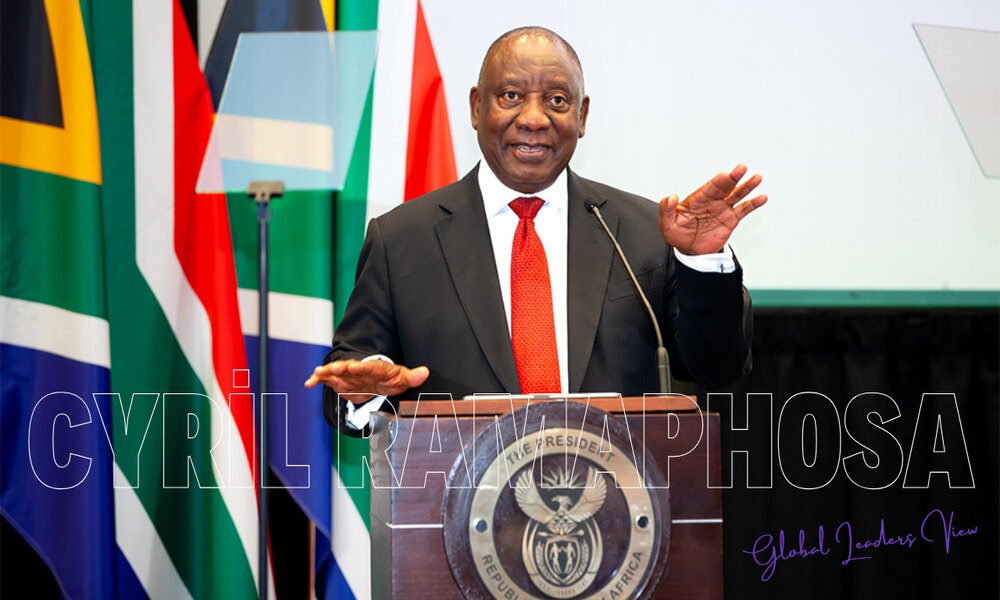
Cyril Ramaphosa: Birth, History and Political Journey

Cyril Ramaphosa, the current President of South Africa, has risen to prominence as a key figure in the political and economic landscape of the nation. His journey, from humble beginnings to the helm of a country transitioning from apartheid to democracy, is a testament to his resilience, leadership, and dedication to the future of South Africa.

This Global Leaders Views look into the life of Cyril Ramaphosa, exploring his early years, his remarkable achievements, and his impact on South Africa’s political, economic, and social landscape.

Early Life and Birth of Cyril Ramaphosa

Cyril Matamela Ramaphosa was born on November 17, 1952, in Soweto, a township in the southern part of Johannesburg, South Africa. As the son of a nurse and a teacher, Ramaphosa grew up in a working-class family, where he experienced firsthand the challenges of apartheid. His early life was shaped by the socio-political climate of South Africa, where systemic inequality and racial segregation were deeply entrenched in every aspect of life.

Ramaphosa’s formative years were marked by the Bantu Education Act, which imposed a substandard education system on black South Africans. Despite this, Ramaphosa excelled in his studies, showing a strong aptitude for leadership and academics. He attended Sekano-Ntoyi High School in Soweto, where his leadership qualities began to shine. His academic success opened doors for him to attend the University of the North, where he pursued a law degree, setting the stage for his future role in the political sphere.

Cyril Ramaphosa’s Early Career: From Activism to Leadership

Ramaphosa’s professional career began at the South African Congress of Trade Unions (SACTU), where he worked as a union organizer. This was a time of intense political unrest, as apartheid policies stifled the rights of black South Africans and fueled resistance movements. It was during this period that Ramaphosa became deeply involved in the African National Congress (ANC), the political party that would eventually lead the country’s fight against apartheid.

In 1982, Cyril Ramaphosa founded the National Union of Mineworkers (NUM), which would go on to become one of the most powerful labor unions in South Africa. Under his leadership, the NUM fought for better wages and working conditions for black mineworkers, challenging the deeply entrenched racial discrimination of the time. The union’s success not only elevated Ramaphosa’s standing within the ANC but also placed him at the forefront of the struggle for workers’ rights.

During the 1980s, the apartheid regime cracked down on anti-apartheid movements, and many leaders of the ANC were either imprisoned or forced into exile. Ramaphosa emerged as a prominent leader within the ANC’s ranks, despite being banned from public speaking. His role as a labor leader and his advocacy for the rights of black South Africans gained him widespread recognition and respect, both within the ANC and among the South African population at large.

Cyril Ramaphosa’s Role in the End of Apartheid

In the early 1990s, South Africa was at a crossroads. The apartheid regime, weakened by internal resistance and international pressure, began to negotiate with the ANC for the country’s transition to democracy. Ramaphosa was chosen as one of the key negotiators for the ANC during these talks. His ability to negotiate and find common ground between opposing parties was crucial in bringing about a peaceful transition.

In 1991, he became the ANC’s chief negotiator at the Convention for a Democratic South Africa (CODESA), where he worked tirelessly to secure a deal that would end apartheid and establish a democratic, multiracial government. His diplomatic skills and determination were essential in achieving the 1994 democratic elections, which saw Nelson Mandela elected as the first black president of South Africa.

Ramaphosa’s leadership during this transformative period in South Africa’s history earned him widespread acclaim. However, as the country entered its new phase of democracy, Ramaphosa chose to focus on business ventures, leveraging his political capital to become a key figure in South Africa’s growing economy.

Cyril Ramaphosa’s Business Success and Economic Influence

After the fall of apartheid, Cyril Ramaphosa’s talents extended beyond politics into the business world. In 1997, he founded Shanduka Group, a diversified investment holding company. Under Ramaphosa’s leadership, Shanduka Group grew into a significant player in various industries, including mining, real estate, and telecommunications. He also became involved in Mosaic Telecom, expanding his portfolio and establishing himself as one of the most influential business figures in South Africa.

Ramaphosa’s success in the business world did not go unnoticed. He became one of the wealthiest individuals in South Africa, with a fortune estimated at several billion dollars. His business acumen, combined with his deep understanding of South Africa’s socio-political landscape, positioned him as a key influencer in both economic and political spheres.

Despite his wealth and success, Ramaphosa’s focus remained on economic transformation, seeking to address the disparities that continued to plague South Africa’s black population. Through his business ventures, he advocated for greater black economic empowerment (BEE), a policy aimed at increasing the participation of black South Africans in the country’s economic activities.

Cyril Ramaphosa’s Rise to the Presidency

Cyril Ramaphosa’s return to the political spotlight came in 2012, when he was elected Deputy President of the ANC. His political career took a significant turn as he positioned himself as a candidate for the presidency of South Africa, particularly after the resignation of Jacob Zuma amid corruption scandals.

In 2017, Ramaphosa won the race to become the President of the ANC, defeating Nkosazana Dlamini-Zuma, the ex-wife of Jacob Zuma, in a contentious battle. His victory was seen as a triumph for the party’s reformist faction, which sought to distance itself from the scandal-ridden presidency of Jacob Zuma and restore the ANC’s reputation.

In February 2018, Ramaphosa became the President of South Africa after Jacob Zuma resigned following intense pressure from within his own party and from the public. Ramaphosa’s ascension to the presidency was met with optimism, as many believed he would bring much-needed change to South Africa, particularly in the areas of corruption, governance, and economic growth.

Challenges and Achievements as President

As president, Cyril Ramaphosa has faced a myriad of challenges, including high unemployment, economic stagnation, corruption scandals, and the aftermath of the COVID-19 pandemic. Despite these obstacles, Ramaphosa has made significant strides in trying to tackle these issues.

One of his first major accomplishments was his push for state-owned enterprise reform and anti-corruption measures. He established the Zondo Commission, an inquiry into state capture and corruption, which led to the exposure of widespread corruption within the government. Ramaphosa’s government has also sought to strengthen South Africa’s relations with international partners, aiming to attract foreign investment and bolster the country’s economic standing.

In terms of social reforms, Ramaphosa has been a proponent of land reform, focusing on redistributing land to black South Africans who were dispossessed under apartheid. His administration has made efforts to balance the need for economic stability with the demand for greater equality in land ownership.

Despite ongoing challenges, Ramaphosa’s leadership continues to be a beacon of hope for many South Africans, who view him as a figure who can guide the country towards a more inclusive and prosperous future.

Global Leaders Views: The Legacy of Cyril Ramaphosa

Cyril Ramaphosa’s journey from his early life in Soweto to his presidency of South Africa is a story of resilience, ambition, and dedication. From his work in the labor movement and the end of apartheid to his influential role in South Africa’s economic transformation, Ramaphosa has left an indelible mark on the nation’s history. As president, his leadership is shaping the future of South Africa, and his legacy will be defined by the changes he brings to the country in the years to come.

Visit: Latest Interview

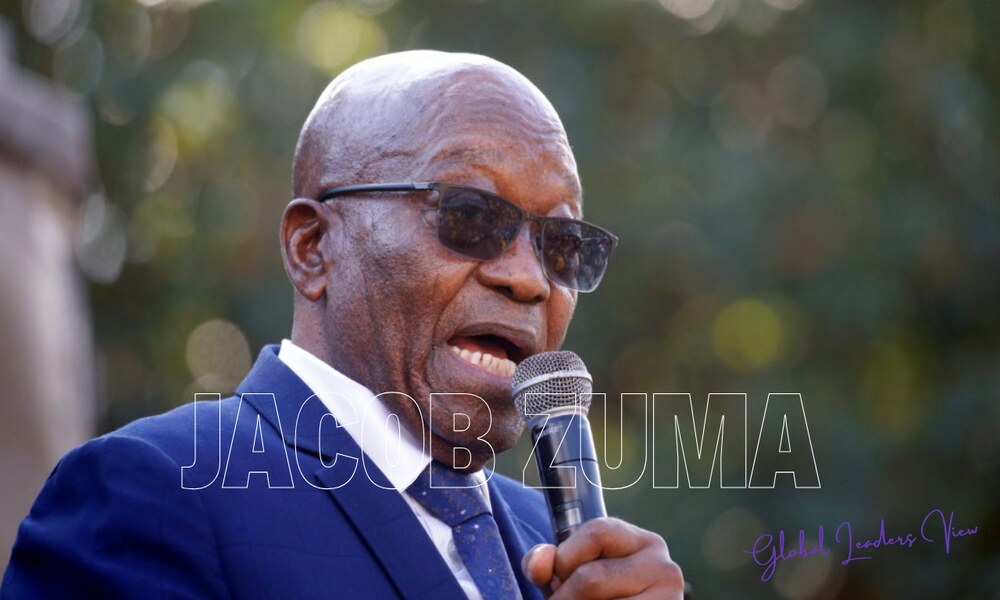
Jacob Zuma: The Journey of an Influential Political Figure

Jacob Zuma, a name that resonates deeply in South African political history, is known for his controversial leadership, his rise from humble beginnings to the presidency, and his lasting impact on both the country and the African continent. This article seeks to explore the multifaceted journey of Jacob Zuma, examining his early life, political ascent, leadership style, controversies, and legacy. By understanding his complex history, we can gain insight into the broader political dynamics of South Africa and the challenges faced by its leaders.

Early Life and Humble Beginnings

Jacob Gedleyihlekisa Zuma was born on April 12, 1942, in the rural village of Nkandla, located in the KwaZulu-Natal province of South Africa. His upbringing was marked by hardship and poverty, growing up in a politically charged environment during apartheid. His mother, Gcinizwa, raised him after his father, a policeman, passed away when Jacob was still very young. Zuma’s early life was shaped by the oppressive realities of apartheid, which made his future seem uncertain. However, it was during these formative years that he developed his sense of resistance and a deep commitment to fighting racial injustice.

Zuma’s political involvement began in his youth. At the age of 16, he joined the African National Congress (ANC) and became active in the fight against apartheid. This decision marked the beginning of a long political journey that would take him from the underground struggle against apartheid to the highest office in the country.

The ANC Struggle and Imprisonment

In the 1960s, Jacob Zuma took part in the armed struggle against apartheid, a pivotal moment in his political career. He joined the ANC’s military wing, Umkhonto we Sizwe, which was responsible for organizing acts of sabotage against government infrastructure. His commitment to the anti-apartheid cause led to his arrest in 1963. Zuma was sentenced to 10 years in prison for conspiring to overthrow the apartheid government.

While in prison, Zuma’s resolve to dismantle apartheid only grew stronger. His incarceration did not deter him; instead, it provided him with an opportunity to solidify his position as one of the most prominent leaders in the ANC. He was released in 1973, after serving ten years in prison, and his role in the organization expanded as he became more involved in organizing political activities from exile.

Exile and Political Rise

After his release from prison, Zuma went into exile, first to Mozambique and later to Zambia. These years marked a significant phase in his political maturation. Zuma became a key figure in ANC operations abroad, working to maintain international pressure on the apartheid government. His time in exile allowed him to establish important relationships with international leaders and organizations that supported the ANC’s cause.

In the late 1980s, Zuma’s involvement in ANC activities gained momentum. He took on various leadership roles, including heading the ANC’s intelligence division. His political acumen and ability to navigate the complex world of diplomacy and internal ANC affairs made him a prominent figure within the party.

Return to South Africa and the End of Apartheid

The 1990s marked a historic turning point for both South Africa and Jacob Zuma. In 1990, President F.W. de Klerk lifted the ban on the ANC, signaling the beginning of the end for apartheid. Zuma, alongside other key figures in the ANC, returned to South Africa in 1990 after years of exile. His return was symbolic of the ANC’s struggle and resilience, and it set the stage for his eventual rise to national prominence.

Zuma’s political influence grew rapidly in the post-apartheid era. In 1994, the ANC won the first democratic elections in South Africa, and Nelson Mandela became the country’s first black president. Zuma, who had been an influential member of the ANC, played a key role in the party’s leadership, particularly in the party’s efforts to unite a divided South Africa. As the ANC’s deputy president, Zuma became a trusted ally of Mandela, helping to shape policies that would foster national reconciliation and economic transformation.

Jacob Zuma’s Presidency: A Nation Divided

Jacob Zuma’s ascent to the presidency was a dramatic chapter in South African history. He became the President of South Africa in May 2009, after defeating Thabo Mbeki for the leadership of the ANC in 2007. His victory marked a significant shift in the country’s leadership, as Zuma brought a different style of governance that was rooted in his background in the liberation struggle and his grassroots support.

Zuma’s presidency was marked by ambitious policies aimed at addressing the historical injustices faced by South Africa’s black majority. His government focused on issues such as poverty alleviation, infrastructure development, and efforts to combat unemployment. However, his tenure was also marred by a series of scandals and controversies that would ultimately overshadow his leadership.

One of the most significant scandals during Zuma’s presidency was the controversy surrounding his private residence in Nkandla. In 2014, it was revealed that taxpayer money had been used to fund extensive renovations to Zuma’s personal home. This sparked public outrage and led to calls for his resignation. Despite mounting criticism, Zuma survived calls for impeachment, although his reputation was severely tarnished.

Corruption Allegations and the State Capture Scandal

Jacob Zuma’s time in office was also overshadowed by widespread allegations of corruption. In particular, his association with the controversial Gupta family, who were accused of using their close relationship with Zuma to influence government decisions for their own financial gain, led to what became known as the “State Capture” scandal.

The Gupta family’s business empire was accused of securing lucrative government contracts through bribery and corrupt practices, with Zuma’s alleged involvement at the center of the controversy. The state capture investigation, which gained significant attention after Zuma left office, uncovered extensive evidence of corruption within the highest levels of government. Although Zuma denied any wrongdoing, his involvement in the scandal had a lasting impact on his legacy.

The End of Zuma’s Presidency and His Legacy

Jacob Zuma’s presidency came to an end in February 2018 when he was forced to resign due to mounting pressure from within the ANC. Cyril Ramaphosa, his deputy, succeeded him as president, marking a new era in South African politics. Zuma’s resignation was seen as a necessary step to restore faith in the ANC and address the pervasive corruption that had characterized his time in office.

Despite his controversial presidency, Zuma remains a polarizing figure in South African politics. For many, he represents the resilience of the struggle against apartheid, a man who rose from humble beginnings to become the president of a democratic South Africa. For others, his time in office symbolizes a period of political and economic decline, marked by corruption, mismanagement, and political infighting.

Zuma’s legacy continues to be debated. His supporters argue that he played a pivotal role in the transformation of South Africa and in the fight for the rights of the marginalized. His critics, however, emphasize the damage caused by his leadership, particularly in relation to corruption and the erosion of public trust in government institutions.

Global Leaders Views: The Controversial Journey of Jacob Zuma

Jacob Zuma’s life and political career offer a compelling narrative of struggle, perseverance, and the complexities of leadership. From his early days in apartheid South Africa to his presidency and the controversies that followed, Zuma’s journey is a testament to the challenges faced by African leaders in the post-colonial era. While his presidency may have been marred by scandal and political turmoil, his legacy as a fighter for justice cannot be overlooked.

As South Africa moves forward, it will continue to grapple with the consequences of Zuma’s leadership, but his role in shaping the country’s political landscape is undeniable. The journey of Jacob Zuma remains one of the most intriguing and controversial chapters in modern South African history.

Visit our Latest Interview

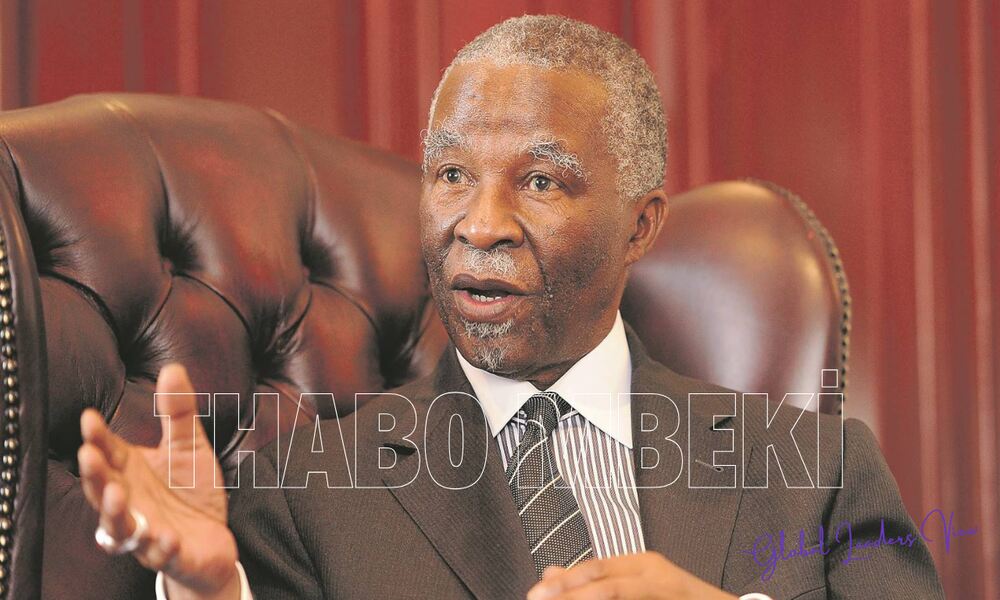
Thabo Mbeki: The Journey of a Visionary Leader

Thabo Mbeki stands as one of Africa’s most prominent political figures, a leader whose vision and policies shaped the trajectory of modern South Africa. From his early years in exile to his presidency and beyond, Mbeki’s journey is defined by resilience, intellectual rigor, and a steadfast commitment to both the African continent and its people.

This article Look into the life, leadership and legacy of Thabo Mbeki, exploring his influence on South Africa’s political landscape and his broader impact on the world.

Early Life and Political Awakening

Born on June 18, 1942, in the small village of Mbewuleni, in the Eastern Cape of South Africa, Thabo Mbeki’s journey began in the heart of the anti-apartheid struggle. His early exposure to politics came from his family’s involvement in the African National Congress (ANC). His father, Govan Mbeki, was a prominent political figure, and Thabo grew up with a deep awareness of the systemic injustices imposed by the apartheid regime.

In 1962, Mbeki left South Africa to study at the University of Sussex in the United Kingdom. This period in exile would become a defining moment in Mbeki’s life, exposing him to global political ideologies and shaping his worldview. His time abroad also allowed him to engage more deeply with the African liberation movements and cement his commitment to the struggle for a free and democratic South Africa.

Exile and the ANC: An Unyielding Commitment to Freedom

Mbeki’s time in exile was marked by his pivotal role in the African National Congress (ANC). As a member of the ANC’s armed wing, Umkhonto we Sizwe, he helped organize anti-apartheid resistance movements both in South Africa and abroad. His dedication to the cause saw him become a key diplomat for the ANC, representing the organization at various international forums, including the United Nations.

During the 1970s and 1980s, Mbeki’s political ideology began to take shape. Influenced by Marxism and Pan-Africanism, he advocated for a socialist vision of South Africa’s future. However, Mbeki also recognized the importance of reconciliation and the need for peaceful transitions in societies emerging from conflict. His contributions were not limited to just the ANC, but extended to the broader African liberation movement, where he became a key figure in the establishment of strong relationships between African states.

Return to South Africa: A New Chapter in South African Politics

Mbeki returned to South Africa in 1990 following the unbanning of the ANC and the release of Nelson Mandela from prison. His return marked the beginning of a new chapter not just for Mbeki, but for the entire country. As the ANC navigated the complexities of negotiating the end of apartheid, Mbeki played an instrumental role. His sharp intellect, diplomatic skill, and understanding of the international landscape made him an indispensable asset to the ANC.

In 1994, after the first democratic elections, South Africa elected Nelson Mandela as president. Mbeki, however, had already secured his position as the deputy president of the country. His tenure as deputy president allowed him to shape policies that would define the nation’s future, focusing on both the internal development of South Africa and the country’s relations with the global community.

Thabo Mbeki’s Presidency: The Visionary Leader

In 1999, Thabo Mbeki became the second president of South Africa, succeeding Nelson Mandela. Mbeki’s presidency was characterized by ambitious economic reforms, a focus on national unity, and a strong drive for African solidarity. His administration was deeply committed to uplifting the South African economy, and his policies often leaned towards market-friendly approaches, which were somewhat controversial given the nation’s high poverty levels.

Economic Reforms and Growth Under Mbeki

Mbeki’s government took significant steps towards economic reform. Under his leadership, South Africa saw an average annual growth rate of 4% during his two terms. He emphasized the importance of stabilizing the economy, attracting foreign investment, and boosting the country’s infrastructure. His administration introduced a variety of initiatives, including the Growth, Employment and Redistribution (GEAR) program, which aimed to reduce unemployment and encourage private sector development.

However, these policies were met with mixed reactions. While Mbeki’s focus on fiscal discipline and reducing the budget deficit was lauded by many international investors, critics argued that the benefits were not equally felt across the broader South African society. Economic growth was not immediately accompanied by reductions in the high levels of poverty or inequality, which were persistent challenges throughout his presidency.

The African Renaissance: A Pan-African Vision

Perhaps one of Mbeki’s most enduring legacies is his commitment to the African Renaissance—the idea of revitalizing the African continent by promoting democracy, development, and Pan-African unity. Mbeki’s vision was rooted in his belief that African solutions must be found for Africa’s challenges. His foreign policy emphasized the importance of African countries taking charge of their own destinies and collaborating for mutual progress.

Under Mbeki’s leadership, South Africa played a pivotal role in mediating peace negotiations across the continent, including efforts to resolve the conflicts in Burundi and the Democratic Republic of Congo. Mbeki’s role in the New Partnership for Africa’s Development (NEPAD) further solidified his reputation as a strong advocate for African-led development.

His leadership was particularly important during the early 2000s when African nations were pushing for greater representation on the global stage. Mbeki’s diplomacy and advocacy for African issues made South Africa a key player in international politics, ensuring the continent’s concerns were heard in forums such as the United Nations and the African Union.

Challenges and Controversies

Despite Mbeki’s numerous successes, his presidency was not without controversy. His handling of the HIV/AIDS epidemic remains one of the most debated aspects of his leadership. Mbeki famously rejected the link between HIV and AIDS, a stance that alienated many in the scientific community and led to a delay in implementing vital health interventions. His government was slow to introduce antiretroviral treatment, a decision that cost many lives.

Mbeki’s increasingly strained relationship with his political rival, Jacob Zuma, eventually led to his recall in 2008. The ANC, which had once been his steadfast ally, removed him from office amid allegations of corruption and poor governance. This marked the end of his presidency, though Mbeki remained an influential figure in South African politics.

Legacy: A Controversial but Impactful Figure

Thabo Mbeki’s legacy is undoubtedly complex. On one hand, he was a visionary leader who sought to transform South Africa into a strong, self-reliant nation, both economically and politically. His vision for a united and democratic Africa has had a lasting impact on the continent’s trajectory. Mbeki’s foreign policy and role in international diplomacy secured South Africa’s place as a significant global player.

On the other hand, Mbeki’s presidency faced criticism for its handling of social issues, particularly in health and wealth distribution. His failure to address the HIV/AIDS crisis in a timely manner remains a blemish on his record. Additionally, his relationship with the ANC and his eventual ousting from office revealed the underlying tensions within the party that would eventually lead to the rise of Jacob Zuma as president.

Nevertheless, Thabo Mbeki remains a monumental figure in African history. His intellectual legacy and diplomatic achievements continue to shape the discourse on African development and governance. South Africa’s transformation, though imperfect, owes much to the vision of Thabo Mbeki, a leader who dared to dream of a better future for his people and his continent.

Visit our Latest Magazine

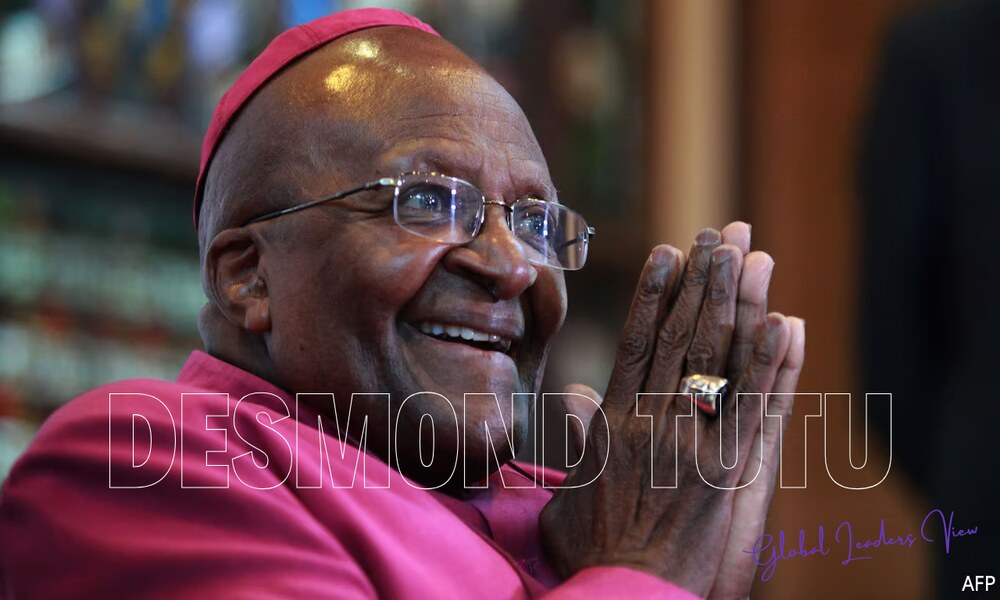
Desmond Tutu: A Journey of Courage, Faith and Legacy

Desmond Tutu, a towering figure in both South African history and global advocacy for human rights, was a man whose life’s work reshaped nations and influenced the hearts of millions. His remarkable journey stands as a testament to resilience, compassion, and the transformative power of faith. Known for his unwavering commitment to justice and equality, Tutu’s story is one of immense sacrifice, triumph, and the unyielding belief that love could conquer even the deepest of hatred.

Early Life and Formative Years

Desmond Mpilo Tutu was born on October 7, 1931, in Klerksdorp, South Africa. Raised in a society entrenched in the brutal systems of apartheid, his early life was marked by racial injustice and inequality. As a young boy, Tutu experienced the harsh realities of segregation firsthand. His father, a teacher, instilled in him the importance of education, which would later become a cornerstone of his advocacy. Despite the oppressive atmosphere, Tutu’s sharp intellect and devotion to faith marked him as a future leader, destined to challenge the status quo.

Tutu’s academic journey took him through the University of Fort Hare, an institution known for producing prominent anti-apartheid leaders. It was here that he first encountered the deeply entrenched racial divisions within his country, yet it was also during these years that Tutu’s understanding of the power of education, compassion, and spirituality deepened.

Theological Foundations and Calling to the Priesthood

After completing his studies, Tutu was ordained as an Anglican priest in 1960. His calling to the priesthood was not just a religious decision but also a deeply political one. As an Anglican cleric, Tutu found his moral compass rooted in the teachings of Jesus Christ, but he was also acutely aware of the profound inequalities surrounding him. His theological training shaped his belief that the church should be a voice for the voiceless and a platform for justice in an unjust world.

In the early 1970s, Tutu’s commitment to fighting apartheid intensified. While serving as a priest, he also held academic positions, which further solidified his stature as an influential figure within both the church and society. His sermons, speeches, and public appearances resonated with millions, particularly because they drew on his deep moral convictions and commitment to non-violence.

Desmond Tutu and the Fight Against Apartheid

As apartheid grew more entrenched, Desmond Tutu became an outspoken critic of the system. His deep conviction that apartheid was not only a political and social injustice but a moral one, inspired him to take an active stand. Tutu’s calls for peaceful resistance and non-violent protest resonated globally. He used his platform to speak out against racial segregation, inequality, and discrimination.

In 1976, Tutu’s rise as a vocal critic of apartheid reached a new height when he was appointed as the first black Anglican Dean of Johannesburg. In this influential position, he used his voice to challenge the policies of the South African government, all the while calling for peaceful and non-violent resistance. Tutu’s influence grew significantly in the 1980s when he was appointed as the Archbishop of Cape Town, the highest position in the Anglican Church in Southern Africa.

Throughout his career, Desmond Tutu employed the philosophy of Ubuntu—a Southern African worldview that emphasizes the interconnectedness of all people. His belief in Ubuntu fueled his stance against apartheid, urging all South Africans to embrace one another, regardless of race or background, and work together toward a better future.

The Nobel Peace Prize and Global Recognition

In 1984, Desmond Tutu’s tireless efforts to combat apartheid were globally acknowledged when he was awarded the Nobel Peace Prize. The Nobel Committee recognized Tutu’s role as an advocate for nonviolent resistance and his “role as a unifying leader figure in the campaign to resolve the problem of apartheid in South Africa.” The Nobel Prize did not just elevate his profile within South Africa but also cemented his status as a global leader for human rights and equality.

Tutu’s recognition on the world stage was not just a personal achievement; it was a beacon for oppressed people worldwide. His moral leadership galvanized the global anti-apartheid movement, and he used his newfound platform to call for continued international pressure on the South African regime.

Post-Apartheid Efforts: Healing and Reconciliation

With the advent of democracy in South Africa in 1994, Desmond Tutu’s role evolved. No longer just an opponent of apartheid, he became a key player in the new South Africa’s healing process. Tutu was appointed as the chairman of the Truth and Reconciliation Commission (TRC), a body that sought to uncover the full extent of the atrocities committed during apartheid and to promote national reconciliation.

The TRC was a groundbreaking initiative, founded on the belief that for South Africa to move forward, it needed to confront its painful past. Tutu’s leadership in this process was instrumental. He helped facilitate dialogues between the victims and perpetrators of apartheid-era violence, encouraging both parties to engage in truth-telling and forgiveness.

Tutu’s role in the TRC cemented his legacy as not just a political leader but a moral and spiritual guide for his nation. Through his compassion and wisdom, he emphasized that reconciliation was not about forgetting the past but acknowledging it in order to build a better future.

Global Advocacy Beyond South Africa

Tutu’s efforts were not confined to South Africa. His work in human rights extended globally, advocating for peace, equality, and the protection of marginalized communities. From the United States to the United Kingdom, Desmond Tutu consistently spoke out on issues of social justice. His opposition to the Iraq War, calls for the divestment from corporations linked to human rights abuses, and vocal support for Palestinian rights were just a few of the global causes that Tutu championed.

As an elder statesman, Tutu continued to push for justice and fairness in global governance, always reminding leaders of their moral responsibility to humanity. His unwavering stance on issues of equity, his refusal to be silenced, and his consistent calls for justice for all people left an indelible mark on global human rights discourse.

Legacy: Desmond Tutu’s Enduring Impact

Desmond Tutu’s legacy is immeasurable. He died on December 26, 2021, but his influence endures in the values he espoused and the lives he touched. Through his role in the anti-apartheid movement, his leadership in reconciliation efforts, and his global advocacy for justice, Tutu changed the course of history.

His moral integrity, unshakable faith, and commitment to non-violent resistance continue to inspire leaders around the world. His calls for compassion, justice, and reconciliation remain timeless principles for anyone seeking to make a positive impact in their community or nation.

Even in death, Desmond Tutu’s work continues to inspire future generations to live with purpose and to challenge systems of oppression. His life reminds us that, no matter the challenges, the power of love, courage, and justice will always have the ability to change the world.

Visit our Latest Magazine

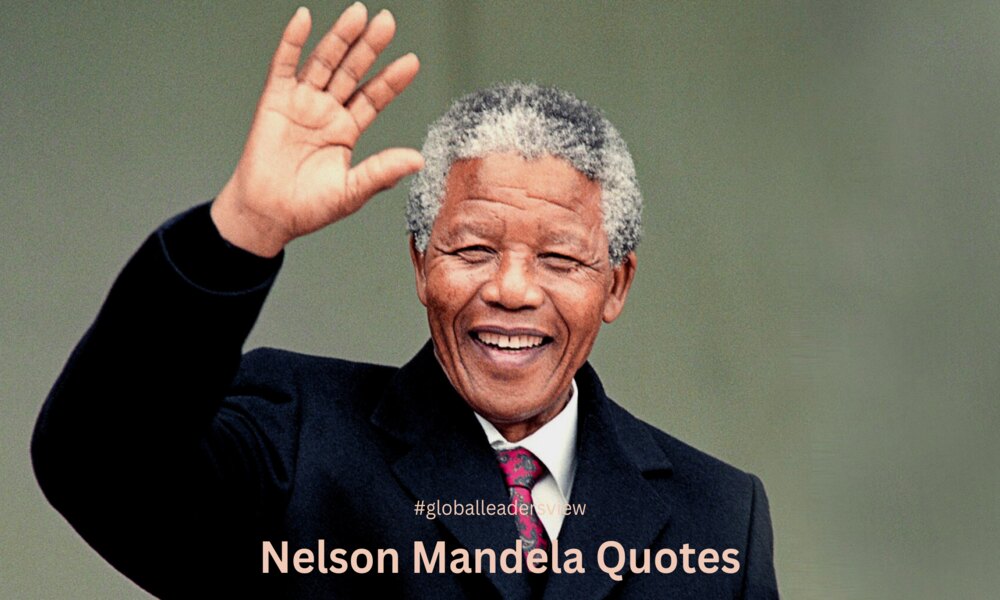
Nelson Mandela: Journey of a Visionary Leader

Nelson Mandela, the iconic South African anti-apartheid revolutionary, political leader, and philanthropist, remains one of the most admired figures in modern history. His life journey exemplifies resilience, determination, and the power of hope in the face of adversity. From his humble beginnings in the rural village of Qunu to becoming the first democratically elected black president of South Africa, Mandela’s life was a remarkable narrative of struggle, sacrifice, and triumph.

In this comprehensive exploration of Nelson Mandela’s journey, we will delve into the significant milestones that shaped his legacy, including his early life, his role in the anti-apartheid movement, his imprisonment, and his presidency. His commitment to justice and equality has inspired millions across the world and serves as a testament to the enduring power of the human spirit.

The Early Life of Nelson Mandela: Roots in Rural South Africa

Nelson Rolihlahla Mandela was born on July 18, 1918, in the village of Mvezo, in the Eastern Cape province of South Africa. He was the son of Gadiyho Mandela, a chief of the Thembu people, and Noqaphi Nosekeni. His given name, Rolihlahla, means “pulling the branch of a tree,” symbolizing his ability to challenge authority and bring change.

Mandela’s family was part of the Thembu royal family, and though they lived in relative poverty, they had a respected position in their community. As a young boy, Mandela was exposed to traditional African customs and values. His early education at Clarkebury Boarding School and Healdtown further instilled in him a sense of justice and respect for others.

The death of his father when Mandela was only nine years old forced him to live under the guardianship of the Thembu regent, Chief Jongintaba Dalindyebo, at the Great Place in Umtata. This transition was significant, as it gave Mandela a glimpse into the world of politics and leadership. His exposure to leadership dynamics and the role of governance deeply influenced his future path.

The Formation of Political Ideals: A Fight for Equality

In 1939, Mandela enrolled at the University of Fort Hare, one of the few institutions that accepted black students in South Africa. It was during his time at university that Mandela began to formulate his political ideals. He became increasingly aware of the racial injustices that plagued South African society and started organizing protests against the university’s policies. His activism, however, led to his expulsion from Fort Hare in 1940.

Following his expulsion, Mandela moved to Johannesburg, where he worked as a law clerk and began his formal studies at the University of South Africa (UNISA). During this period, Mandela became more involved in the African National Congress (ANC), an organization founded in 1912 to fight against racial segregation. His work with the ANC marked the beginning of his lifelong commitment to social justice.

In 1944, Mandela, along with other like-minded individuals, co-founded the ANC Youth League, which became a driving force behind the national movement for racial equality. Mandela’s leadership within the league was instrumental in promoting the ANC’s objectives and encouraging younger generations to take part in the struggle for freedom.

The Anti-Apartheid Struggle: Defying a Brutal System

In 1948, the National Party came to power in South Africa, implementing the apartheid system of institutionalized racial segregation. Under apartheid, black South Africans were stripped of their rights, forced into segregated areas, and subjected to extreme violence. Mandela, now an active leader in the ANC, spearheaded efforts to challenge the regime.

Mandela’s commitment to non-violence and his belief in the freedom of all people led him to participate in defiance campaigns across the country. However, as the apartheid government became increasingly oppressive, Mandela’s tactics shifted. In 1961, after the Sharpeville Massacre, where police killed 69 unarmed protesters, Mandela and the ANC embraced armed resistance as a means of combating the regime.

Mandela became a leader of the Umkhonto we Sizwe (MK), the armed wing of the ANC. The MK conducted sabotage operations targeting government installations, communications, and transportation networks. Despite facing numerous obstacles, Mandela continued to push for economic sanctions and international isolation of the apartheid state.

Imprisonment: A Symbol of Resistance

In 1962, Mandela was arrested and convicted of leaving the country illegally and inciting strikes. He was sentenced to five years in prison, but his imprisonment was just the beginning of his long journey behind bars. In 1964, while in custody, he was convicted again, this time for sabotage and attempting to overthrow the government. He was sentenced to life imprisonment.

Mandela’s incarceration on Robben Island, where he endured brutal treatment and forced labor, became a symbol of resistance to apartheid. While in prison, Mandela continued his political work, communicating with his comrades through letters and encouraging the international community to put pressure on the apartheid regime. His imprisonment was a rallying point for anti-apartheid movements worldwide, and the Free Nelson Mandela campaign gained significant traction during the 1980s.

Despite the harsh conditions, Mandela’s resolve never wavered. He became a symbol of moral authority, embodying the spirit of justice, courage, and perseverance. His time on Robben Island, though physically grueling, solidified his place as one of the most important political figures in history.

The End of Apartheid: Negotiating Freedom and Forging Unity

After 27 years of imprisonment, Nelson Mandela was released on February 11, 1990. His release was a result of mounting international pressure on the apartheid government and internal unrest within South Africa. In the years that followed, Mandela played a pivotal role in dismantling apartheid and building a new, democratic South Africa.

Mandela was instrumental in negotiating with the ruling government to end apartheid peacefully. His leadership during the transition was crucial in preventing a civil war and ensuring that the process of reconciliation could begin. Mandela’s emphasis on forgiveness and national unity allowed South Africa to heal from the deep wounds inflicted by apartheid.

In 1994, Nelson Mandela became the first black president of South Africa, marking the dawn of a new era. His presidency was focused on nation-building, economic transformation, and racial reconciliation. Mandela’s vision of a “Rainbow Nation” sought to unite South Africans of all races and backgrounds into a peaceful and prosperous society.

Legacy: The Global Impact of Nelson Mandela

Nelson Mandela’s legacy transcends the borders of South Africa. His life serves as an example of the power of non-violence, unity, and the unyielding fight for justice. Mandela’s ability to bridge divides, forgive his enemies, and build a nation from the ashes of apartheid remains an inspiration for leaders and activists around the world.

Mandela’s influence can be seen in global movements advocating for human rights, social justice, and environmental sustainability. He received numerous accolades, including the Nobel Peace Prize in 1993, in recognition of his efforts to bring peace and reconciliation to South Africa.

Though Mandela passed away on December 5, 2013, at the age of 95, his impact continues to shape the future of South Africa and the world. His unwavering commitment to equality, justice, and the empowerment of all people serves as a guiding light for future generations.

Global Leaders Views: A Legacy for the Ages

Nelson Mandela’s life journey is a story of immense courage and unshakable dedication to the ideals of freedom, justice, and human dignity. From his early years in rural South Africa to his time as a world-renowned leader, Mandela’s legacy will forever remain etched in history as a beacon of hope for those fighting against oppression and injustice.

His enduring impact serves as a reminder that even in the face of overwhelming adversity, one individual can change the course of history. Mandela’s journey is not just the story of a man—it is the story of a movement, a nation, and a world that dared to believe in the possibility of freedom and equality.

Also Read: Exclusive Interview

What Stood Out at Auto Expo 2025

Electric vehicles (EVs) were the stars of the show. Leading manufacturers like Maruti Suzuki, Tata Motors, and Hyundai introduced next-generation EVs designed for diverse audiences.

  • Maruti Suzuki debuted its much-anticipated eVX SUV, designed to blend futuristic style with eco-conscious performance.
  • Tata Motors stole the spotlight with the Curvv EV, offering a seamless mix of performance and aesthetics.
  • Hyundai showcased its premium Ioniq 6, setting benchmarks in design and battery efficiency.

These launches emphasized the industry’s shift toward cleaner and greener technology.


Smart Technology for Smarter Cars

The Auto Expo wasn’t just about EVs—it was also a hub for smart car technology. Manufacturers demonstrated advanced features like:

  • AI-powered driving assistance systems.
  • Connected car platforms for seamless vehicle control.
  • Autonomous capabilities that redefine safety and convenience.

Mahindra & Mahindra grabbed attention with its bold XUV Aero Concept, a vehicle boasting cutting-edge AI and unparalleled luxury, promising to be a game-changer in its segment.


Sustainability in Every Drive

Sustainability was a major focus, with brands introducing technologies that reduce environmental impact.

  • Toyota unveiled its revolutionary hydrogen fuel cell vehicle, showcasing an alternative green fuel solution.
  • Many automakers committed to using recyclable materials and energy-efficient manufacturing processes, aligning with global sustainability goals.

Electrification Takes Center Stage

Unquestionably, the highlights of the Auto Expo 2025 were electric vehicles (EVs). Manufacturers from India and other countries displayed an impressive array of battery-powered automobiles, demonstrating how commonplace EVs have become.

Maruti Suzuki e Vitara: One of the event’s most anticipated launches, this all-electric SUV sets a new standard for affordable electric transportation in India by fusing modern EV technology with a tough SUV mentality and a range of more than 500 kilometers.

Hyundai Creta Electric: With a futuristic twist and a strong emphasis on performance and comfort, Hyundai’s beloved Creta went electric, thrilling guests with its cutting-edge features and long range.

VinFast VF6: The Vietnamese EV manufacturer created waves with the small yet high-end VF6, which promised worldwide performance and design prowess and was aimed at both Indian and foreign markets.

The industry’s quick transition from conventional internal combustion engines to greener, cleaner alternatives that are expected to rule the next ten years of road transportation was highlighted by these electrified demonstrations.

Innovative Ideas That Aroused Wonder

Concept cars were Auto Expo 2025’s time machines if it was a glimpse into the future. Crowds were talking about tomorrow’s automobiles today because to the expo’s amazing roster of innovative ideas.

Tata Avinya/Avinya X Concept: This electric concept from Tata Motors made headlines due to its svelte lines, eco-friendly design philosophy, and cutting-edge technological integration—a preview of Tata’s EV roadmap.

Skoda Vision 7S: A daring seven-seater electric SUV that redefines family travel through EV innovation with its tough exterior, contemporary interiors, and adaptable comfort modes.

Toyota Urban Cruiser BEV Concept: Designed for the urban lifestyle, this concept attracted attention across the exhibition halls by striking a mix between futuristic appearance and practical functionality.

These concept automobiles were more than simply static models; they symbolized a move toward design that foresees future demands in the real world, from digital-centric user experience platforms to flexible interior spaces.

Innovations in Commercial Vehicles and Sustainability

Passenger cars were not the only vehicles that were sustainable. Additionally, manufacturers of commercial vehicles introduced strategies to lower carbon emissions and boost productivity.

The Tata Prima G.55S, a heavy-duty LNG-powered truck, showed how long-distance freight transportation may use cleaner fuels.

Tata Intercity EV 2.0: This electric bus prototype demonstrated how EV technology is expanding across vehicle segments and was intended for intercity travel.

This wide commitment demonstrated that sustainable mobility is a multi-layered evolution, ranging from private EVs to commercial and public transportation.


What’s Next?

The Auto Expo 2025 not only unveiled groundbreaking vehicles but also reflected the industry’s commitment to building a smarter and greener future. With EVs, AI-driven technologies, and sustainable solutions taking center stage, the automotive world is gearing up for an exciting transformation.

As we look forward, these innovations promise to make mobility cleaner, smarter, and more efficient, making this year’s Auto Expo a true game-changer.

Visit Latest Interviews