
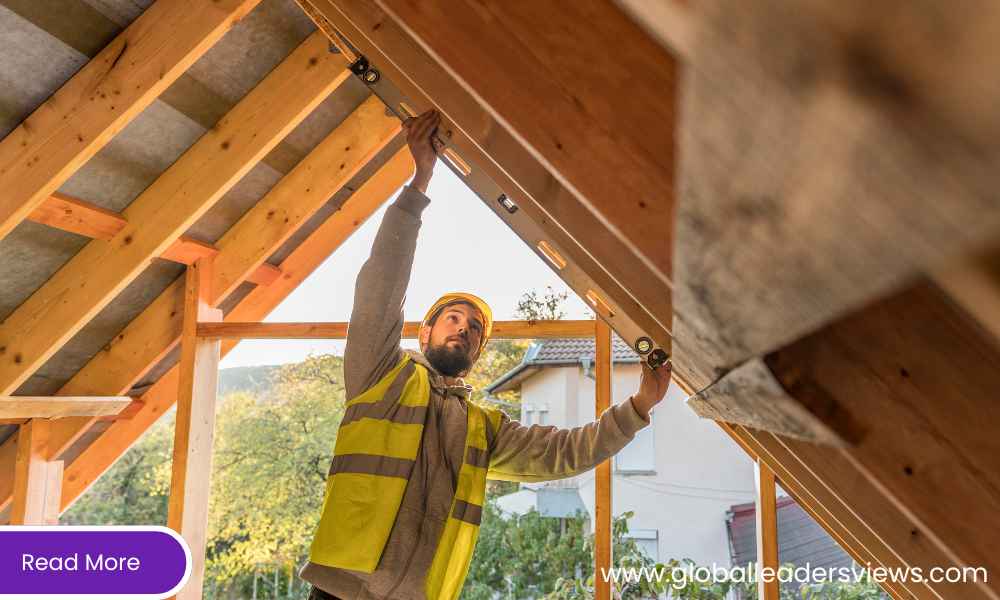
U.S. homebuilders are becoming more upbeat about the future after two years of high borrowing costs and wary customers. Homebuilders anticipate higher sales in 2026 as interest rates decline, according to industry data and predictions, indicating a possible turning point for the housing market. The residential building industry is seeing a return to confidence as a result of declining mortgage rates, stable home prices, and a slow rebound in inventories.
The 2025 Outlook for Residential Construction Sets the Scene
The forecast for residential construction in 2025 is still uncertain yet promising. Although 2025 is anticipated to be a year of transition, builders anticipate a more robust recovery in 2026.
Among the major patterns influencing the future are:
- Mortgage interest rates are gradually declining.
- Increased affordability for buyers
- Growing demand from move-up and first-time purchasers
- Improved financing options for construction
- Builders are planning for more activity in the upcoming years because to these factors.
For more insights on housing market forecasts and builder sentiment, visit the National Association of Home Builders.
Builder Confidence Is Signaled by the NAHB Housing Forecast
As rate pressures lessen, builder sentiment has steadily improved, according to the NAHB housing outlook. According to surveys, builders anticipate:
- Increased foot traffic from prospective purchasers
- An increase in single-family home sales
- More consistent pricing circumstances
The most recent survey from homebuilders also emphasizes optimism linked to positive economic growth and decreasing inflation.
For comprehensive data on housing and construction statistics, refer to the U.S. Census Bureau’s Construction Data.
Inventory, Pricing, and Market Stability
Limited housing supply continues to support prices, but inventory is slowly improving. The home builder inventory chart shows modest gains, helping meet pent-up demand without oversaturating the market.
Meanwhile, the Wells Fargo forecast model expects home prices to grow at a slower, healthier pace—supporting affordability while protecting builder margins.
Regional and Industry Insights
Local associations, including the Sacramento Home Builders Association, report steady demand in high-growth regions. Builders are also leveraging insights from home building blogs and home building news platforms to track buyer behavior, labor availability, and material costs.
Demand for Housing Increases as Rates Drop
The U.S. housing market is changing as a result of the decline in mortgage rates, which is driving homebuilders to expedite project pipelines and increasing buyer demand. Reduced borrowing prices are encouraging families to reenter the market after years of low inventory and difficulties with affordability. In both suburban and urban areas, homebuilders report higher inquiries, quicker reservation rates, and increasing momentum. In order to satisfy changing consumer demands and regulatory objectives, many businesses are now giving priority to mixed-use communities, sustainable building materials, and energy-efficient designs.
Growing Smart Homes and Sustainable Living
By 2026, a more technologically advanced and ecologically sensitive housing market is anticipated. Smart homes with improved security features, predictive maintenance systems, and AI-powered energy management will become commonplace. Additionally, builders are getting ready for the emergence of carbon-neutral communities, modular building techniques, and residences that support electric vehicles, renewable energy sources, and remote work.
A New Era of Accessibility and Comfort
The change offers purchasers access to homes that make daily living easier, cut utility bills, and encourage healthier lifestyles in addition to reduced monthly payments. Digital services, green areas, and common areas will increase the sense of community. In the end, declining rates and innovative building techniques portend a housing future that is more contemporary, inclusive, and built around actual human needs.
Visit: Latest Magazine
Final Thought
While challenges remain, the overall outlook is turning positive. As borrowing costs ease and demand strengthens, homebuilders expect sales to improve in 2026 as interest rates fall, marking a critical recovery phase for the U.S. housing market. With steady policy support and improving market conditions, residential construction appears poised for renewed momentum.
Read more exclusive interviews. Larry Ellison
- Ken Dychtwald: The Thought Leader Who Turned Curiosity into a Global Movement on Aging and Human Potential
- Fredrik Laseen: Crafting Authentic Luxury Through People, Culture, and Purpose
- Bank of Spain Urges Caution in AI Tool Adoption
- Musk’s SEC Settlement: A Closer Look at the ‘Red Flags’
- The US Stock Market Rises Today Due to Another Alphabet Rally