
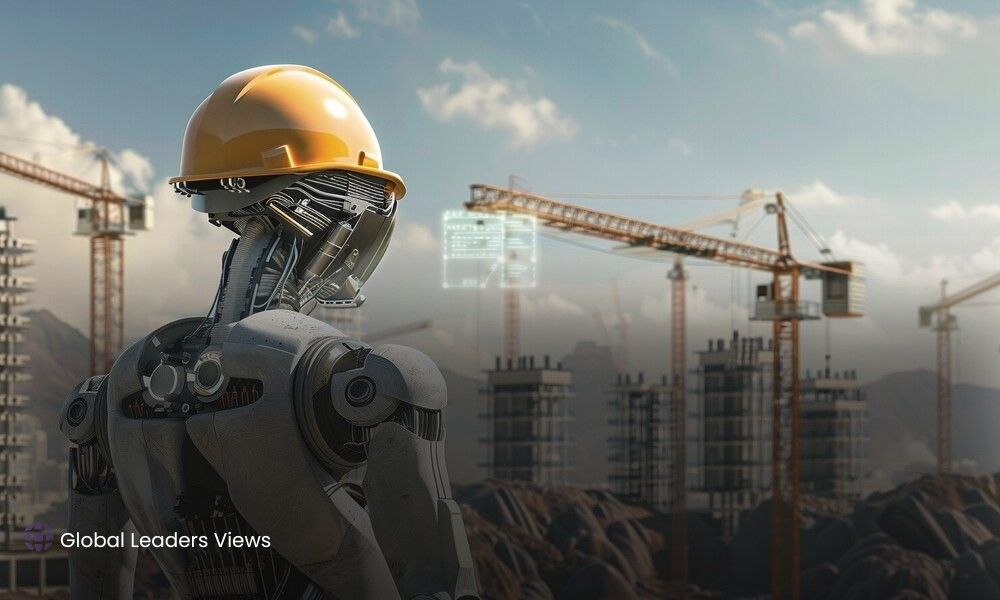
The construction industry in 2025 is undergoing a transformative phase, shaped by technological advancements, sustainability efforts, and evolving market demands.
Experts predict that this year will redefine how projects are planned, executed, and delivered.
Here’s a closer look at the construction trends in 2025:
Sustainability Takes Center Stage
Sustainability is no longer optional in the construction sector, it’s a necessity. Builders and developers are prioritizing eco-friendly practices by adopting energy-efficient designs, using renewable materials, and integrating green technologies.
From net-zero energy buildings to carbon-neutral construction processes, the focus on sustainability aligns with global efforts to combat climate change. Governments are also introducing stricter environmental regulations, pushing the industry to innovate and reduce its carbon footprint.
Also read: 2026 Women’s Capital Summit
Rise of Smart Construction Technologies
Smart construction technologies, powered by artificial intelligence (AI) and the Internet of Things (IoT), are revolutionizing job sites. Tools such as AI-driven project management software and IoT-enabled machinery are enhancing efficiency and minimizing waste.
Drones, 3D printing, and augmented reality (AR) are increasingly being used for site inspections, structural modeling, and training. These technologies improve accuracy, reduce costs, and speed up project timelines.
Prefabrication and Modular Construction Gain Momentum
Prefabrication and modular construction are reshaping how buildings are assembled. Offsite manufacturing of components allows for faster construction, reduced waste, and greater quality control.
Experts predict that these methods will dominate sectors like residential housing, healthcare facilities, and educational buildings, where speed and cost-efficiency are critical.
Also read: 5 Must-Watch Construction Trends
Labor Shortages and Workforce Development
The construction industry continues to face significant labor shortages, leading to a growing emphasis on workforce development. Governments and private organizations are investing in apprenticeship programs, training initiatives, and immigration policies to attract skilled workers.
The integration of automation and robotics is also helping to fill labor gaps, particularly for repetitive and hazardous tasks.
Digital Transformation and Data Utilization
Digital transformation remains a key focus in 2025. Construction firms are leveraging Building Information Modeling (BIM) to streamline project planning and execution. Advanced analytics and data-driven insights are being used to predict project outcomes, manage risks, and optimize resource allocation.
Cloud-based collaboration tools are also enabling better communication among stakeholders, ensuring projects stay on track and within budget.
Urbanization and Smart Cities Drive Demand
The continued growth of urban areas is demand for infrastructure development and smart cities. Construction companies are working on projects that integrate smart technologies, such as intelligent transportation systems, energy-efficient utilities, and connected public spaces.
Urbanization also necessitates the development of affordable housing, further emphasizing the need for cost-effective and scalable construction methods.
A New Era of Construction
The construction industry in 2025 is marked by innovation, sustainability, and adaptability. By embracing these trends, companies can improve their competitiveness and contribute to a more efficient, environmentally friendly, and resilient built environment.
As the industry evolves, the key to success lies in leveraging technology, fostering collaboration, and staying ahead of the curve in a rapidly changing landscape. With these efforts, construction is poised to lead the way in shaping a better future for communities worldwide.
Conclusion: Construction’s Future
In order to stay ahead in 2025, the construction sector will need to embrace efficiency, sustainability, and technology. According to experts, green building techniques, AI-driven project management, and smart construction techniques will completely change how projects are organized and carried out. Businesses that promptly adjust to these trends will not only increase productivity but also improve safety and lessen their impact on the environment. It’s critical for professionals and investors to comprehend these changes. Building structures is only one aspect of the future of construction; another is designing more intelligent, resilient, and sustainable environments that will satisfy future needs.
Visit Latest Interviews
- Ken Dychtwald: The Thought Leader Who Turned Curiosity into a Global Movement on Aging and Human Potential
- Fredrik Laseen: Crafting Authentic Luxury Through People, Culture, and Purpose
- Bank of Spain Urges Caution in AI Tool Adoption
- Musk’s SEC Settlement: A Closer Look at the ‘Red Flags’
- The US Stock Market Rises Today Due to Another Alphabet Rally