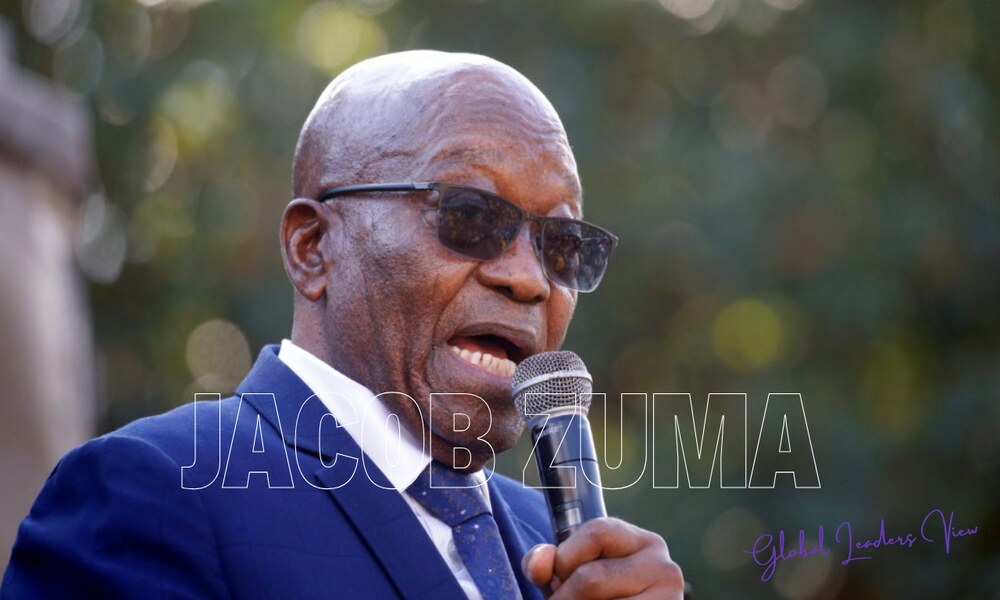
Jacob Zuma: The Journey of an Influential Political Figure

Jacob Zuma, a name that resonates deeply in South African political history, is known for his controversial leadership, his rise from humble beginnings to the presidency, and his lasting impact on both the country and the African continent. This article seeks to explore the multifaceted journey of Jacob Zuma, examining his early life, political ascent, leadership style, controversies, and legacy. By understanding his complex history, we can gain insight into the broader political dynamics of South Africa and the challenges faced by its leaders.

Early Life and Humble Beginnings

Jacob Gedleyihlekisa Zuma was born on April 12, 1942, in the rural village of Nkandla, located in the KwaZulu-Natal province of South Africa. His upbringing was marked by hardship and poverty, growing up in a politically charged environment during apartheid. His mother, Gcinizwa, raised him after his father, a policeman, passed away when Jacob was still very young. Zuma’s early life was shaped by the oppressive realities of apartheid, which made his future seem uncertain. However, it was during these formative years that he developed his sense of resistance and a deep commitment to fighting racial injustice.

Zuma’s political involvement began in his youth. At the age of 16, he joined the African National Congress (ANC) and became active in the fight against apartheid. This decision marked the beginning of a long political journey that would take him from the underground struggle against apartheid to the highest office in the country.

The ANC Struggle and Imprisonment

In the 1960s, Jacob Zuma took part in the armed struggle against apartheid, a pivotal moment in his political career. He joined the ANC’s military wing, Umkhonto we Sizwe, which was responsible for organizing acts of sabotage against government infrastructure. His commitment to the anti-apartheid cause led to his arrest in 1963. Zuma was sentenced to 10 years in prison for conspiring to overthrow the apartheid government.

While in prison, Zuma’s resolve to dismantle apartheid only grew stronger. His incarceration did not deter him; instead, it provided him with an opportunity to solidify his position as one of the most prominent leaders in the ANC. He was released in 1973, after serving ten years in prison, and his role in the organization expanded as he became more involved in organizing political activities from exile.

Exile and Political Rise

After his release from prison, Zuma went into exile, first to Mozambique and later to Zambia. These years marked a significant phase in his political maturation. Zuma became a key figure in ANC operations abroad, working to maintain international pressure on the apartheid government. His time in exile allowed him to establish important relationships with international leaders and organizations that supported the ANC’s cause.

In the late 1980s, Zuma’s involvement in ANC activities gained momentum. He took on various leadership roles, including heading the ANC’s intelligence division. His political acumen and ability to navigate the complex world of diplomacy and internal ANC affairs made him a prominent figure within the party.

Return to South Africa and the End of Apartheid

The 1990s marked a historic turning point for both South Africa and Jacob Zuma. In 1990, President F.W. de Klerk lifted the ban on the ANC, signaling the beginning of the end for apartheid. Zuma, alongside other key figures in the ANC, returned to South Africa in 1990 after years of exile. His return was symbolic of the ANC’s struggle and resilience, and it set the stage for his eventual rise to national prominence.

Zuma’s political influence grew rapidly in the post-apartheid era. In 1994, the ANC won the first democratic elections in South Africa, and Nelson Mandela became the country’s first black president. Zuma, who had been an influential member of the ANC, played a key role in the party’s leadership, particularly in the party’s efforts to unite a divided South Africa. As the ANC’s deputy president, Zuma became a trusted ally of Mandela, helping to shape policies that would foster national reconciliation and economic transformation.

Jacob Zuma’s Presidency: A Nation Divided

Jacob Zuma’s ascent to the presidency was a dramatic chapter in South African history. He became the President of South Africa in May 2009, after defeating Thabo Mbeki for the leadership of the ANC in 2007. His victory marked a significant shift in the country’s leadership, as Zuma brought a different style of governance that was rooted in his background in the liberation struggle and his grassroots support.

Zuma’s presidency was marked by ambitious policies aimed at addressing the historical injustices faced by South Africa’s black majority. His government focused on issues such as poverty alleviation, infrastructure development, and efforts to combat unemployment. However, his tenure was also marred by a series of scandals and controversies that would ultimately overshadow his leadership.

One of the most significant scandals during Zuma’s presidency was the controversy surrounding his private residence in Nkandla. In 2014, it was revealed that taxpayer money had been used to fund extensive renovations to Zuma’s personal home. This sparked public outrage and led to calls for his resignation. Despite mounting criticism, Zuma survived calls for impeachment, although his reputation was severely tarnished.

Corruption Allegations and the State Capture Scandal

Jacob Zuma’s time in office was also overshadowed by widespread allegations of corruption. In particular, his association with the controversial Gupta family, who were accused of using their close relationship with Zuma to influence government decisions for their own financial gain, led to what became known as the “State Capture” scandal.

The Gupta family’s business empire was accused of securing lucrative government contracts through bribery and corrupt practices, with Zuma’s alleged involvement at the center of the controversy. The state capture investigation, which gained significant attention after Zuma left office, uncovered extensive evidence of corruption within the highest levels of government. Although Zuma denied any wrongdoing, his involvement in the scandal had a lasting impact on his legacy.

The End of Zuma’s Presidency and His Legacy

Jacob Zuma’s presidency came to an end in February 2018 when he was forced to resign due to mounting pressure from within the ANC. Cyril Ramaphosa, his deputy, succeeded him as president, marking a new era in South African politics. Zuma’s resignation was seen as a necessary step to restore faith in the ANC and address the pervasive corruption that had characterized his time in office.

Despite his controversial presidency, Zuma remains a polarizing figure in South African politics. For many, he represents the resilience of the struggle against apartheid, a man who rose from humble beginnings to become the president of a democratic South Africa. For others, his time in office symbolizes a period of political and economic decline, marked by corruption, mismanagement, and political infighting.

Zuma’s legacy continues to be debated. His supporters argue that he played a pivotal role in the transformation of South Africa and in the fight for the rights of the marginalized. His critics, however, emphasize the damage caused by his leadership, particularly in relation to corruption and the erosion of public trust in government institutions.

Global Leaders Views: The Controversial Journey of Jacob Zuma

Jacob Zuma’s life and political career offer a compelling narrative of struggle, perseverance, and the complexities of leadership. From his early days in apartheid South Africa to his presidency and the controversies that followed, Zuma’s journey is a testament to the challenges faced by African leaders in the post-colonial era. While his presidency may have been marred by scandal and political turmoil, his legacy as a fighter for justice cannot be overlooked.

As South Africa moves forward, it will continue to grapple with the consequences of Zuma’s leadership, but his role in shaping the country’s political landscape is undeniable. The journey of Jacob Zuma remains one of the most intriguing and controversial chapters in modern South African history.

Visit our Latest Interview
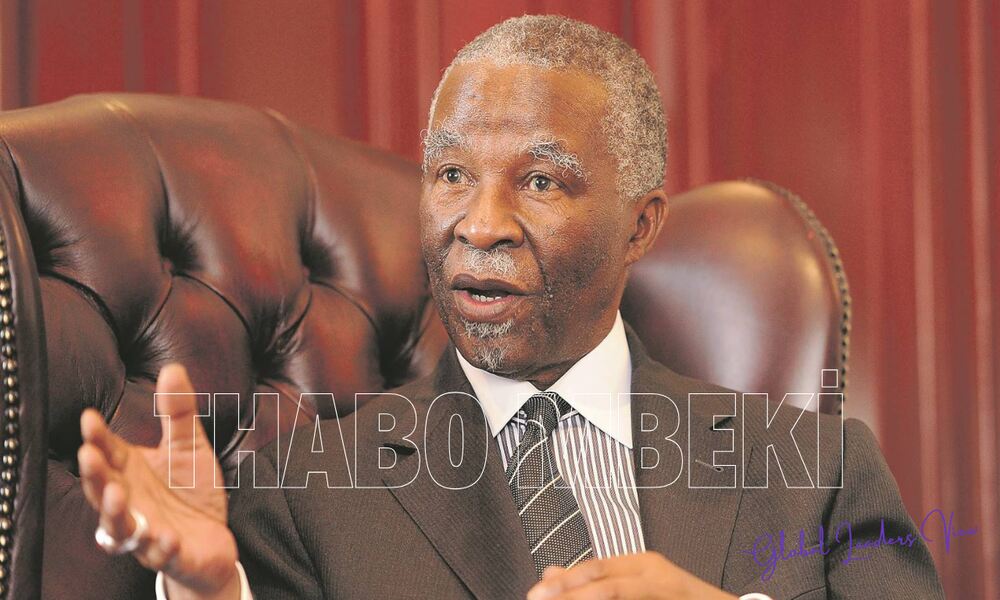
Thabo Mbeki: The Journey of a Visionary Leader

Thabo Mbeki stands as one of Africa’s most prominent political figures, a leader whose vision and policies shaped the trajectory of modern South Africa. From his early years in exile to his presidency and beyond, Mbeki’s journey is defined by resilience, intellectual rigor, and a steadfast commitment to both the African continent and its people.

This article Look into the life, leadership and legacy of Thabo Mbeki, exploring his influence on South Africa’s political landscape and his broader impact on the world.

Early Life and Political Awakening

Born on June 18, 1942, in the small village of Mbewuleni, in the Eastern Cape of South Africa, Thabo Mbeki’s journey began in the heart of the anti-apartheid struggle. His early exposure to politics came from his family’s involvement in the African National Congress (ANC). His father, Govan Mbeki, was a prominent political figure, and Thabo grew up with a deep awareness of the systemic injustices imposed by the apartheid regime.

In 1962, Mbeki left South Africa to study at the University of Sussex in the United Kingdom. This period in exile would become a defining moment in Mbeki’s life, exposing him to global political ideologies and shaping his worldview. His time abroad also allowed him to engage more deeply with the African liberation movements and cement his commitment to the struggle for a free and democratic South Africa.

Exile and the ANC: An Unyielding Commitment to Freedom

Mbeki’s time in exile was marked by his pivotal role in the African National Congress (ANC). As a member of the ANC’s armed wing, Umkhonto we Sizwe, he helped organize anti-apartheid resistance movements both in South Africa and abroad. His dedication to the cause saw him become a key diplomat for the ANC, representing the organization at various international forums, including the United Nations.

During the 1970s and 1980s, Mbeki’s political ideology began to take shape. Influenced by Marxism and Pan-Africanism, he advocated for a socialist vision of South Africa’s future. However, Mbeki also recognized the importance of reconciliation and the need for peaceful transitions in societies emerging from conflict. His contributions were not limited to just the ANC, but extended to the broader African liberation movement, where he became a key figure in the establishment of strong relationships between African states.

Return to South Africa: A New Chapter in South African Politics

Mbeki returned to South Africa in 1990 following the unbanning of the ANC and the release of Nelson Mandela from prison. His return marked the beginning of a new chapter not just for Mbeki, but for the entire country. As the ANC navigated the complexities of negotiating the end of apartheid, Mbeki played an instrumental role. His sharp intellect, diplomatic skill, and understanding of the international landscape made him an indispensable asset to the ANC.

In 1994, after the first democratic elections, South Africa elected Nelson Mandela as president. Mbeki, however, had already secured his position as the deputy president of the country. His tenure as deputy president allowed him to shape policies that would define the nation’s future, focusing on both the internal development of South Africa and the country’s relations with the global community.

Thabo Mbeki’s Presidency: The Visionary Leader

In 1999, Thabo Mbeki became the second president of South Africa, succeeding Nelson Mandela. Mbeki’s presidency was characterized by ambitious economic reforms, a focus on national unity, and a strong drive for African solidarity. His administration was deeply committed to uplifting the South African economy, and his policies often leaned towards market-friendly approaches, which were somewhat controversial given the nation’s high poverty levels.

Economic Reforms and Growth Under Mbeki

Mbeki’s government took significant steps towards economic reform. Under his leadership, South Africa saw an average annual growth rate of 4% during his two terms. He emphasized the importance of stabilizing the economy, attracting foreign investment, and boosting the country’s infrastructure. His administration introduced a variety of initiatives, including the Growth, Employment and Redistribution (GEAR) program, which aimed to reduce unemployment and encourage private sector development.

However, these policies were met with mixed reactions. While Mbeki’s focus on fiscal discipline and reducing the budget deficit was lauded by many international investors, critics argued that the benefits were not equally felt across the broader South African society. Economic growth was not immediately accompanied by reductions in the high levels of poverty or inequality, which were persistent challenges throughout his presidency.

The African Renaissance: A Pan-African Vision

Perhaps one of Mbeki’s most enduring legacies is his commitment to the African Renaissance—the idea of revitalizing the African continent by promoting democracy, development, and Pan-African unity. Mbeki’s vision was rooted in his belief that African solutions must be found for Africa’s challenges. His foreign policy emphasized the importance of African countries taking charge of their own destinies and collaborating for mutual progress.

Under Mbeki’s leadership, South Africa played a pivotal role in mediating peace negotiations across the continent, including efforts to resolve the conflicts in Burundi and the Democratic Republic of Congo. Mbeki’s role in the New Partnership for Africa’s Development (NEPAD) further solidified his reputation as a strong advocate for African-led development.

His leadership was particularly important during the early 2000s when African nations were pushing for greater representation on the global stage. Mbeki’s diplomacy and advocacy for African issues made South Africa a key player in international politics, ensuring the continent’s concerns were heard in forums such as the United Nations and the African Union.

Challenges and Controversies

Despite Mbeki’s numerous successes, his presidency was not without controversy. His handling of the HIV/AIDS epidemic remains one of the most debated aspects of his leadership. Mbeki famously rejected the link between HIV and AIDS, a stance that alienated many in the scientific community and led to a delay in implementing vital health interventions. His government was slow to introduce antiretroviral treatment, a decision that cost many lives.

Mbeki’s increasingly strained relationship with his political rival, Jacob Zuma, eventually led to his recall in 2008. The ANC, which had once been his steadfast ally, removed him from office amid allegations of corruption and poor governance. This marked the end of his presidency, though Mbeki remained an influential figure in South African politics.

Legacy: A Controversial but Impactful Figure

Thabo Mbeki’s legacy is undoubtedly complex. On one hand, he was a visionary leader who sought to transform South Africa into a strong, self-reliant nation, both economically and politically. His vision for a united and democratic Africa has had a lasting impact on the continent’s trajectory. Mbeki’s foreign policy and role in international diplomacy secured South Africa’s place as a significant global player.

On the other hand, Mbeki’s presidency faced criticism for its handling of social issues, particularly in health and wealth distribution. His failure to address the HIV/AIDS crisis in a timely manner remains a blemish on his record. Additionally, his relationship with the ANC and his eventual ousting from office revealed the underlying tensions within the party that would eventually lead to the rise of Jacob Zuma as president.

Nevertheless, Thabo Mbeki remains a monumental figure in African history. His intellectual legacy and diplomatic achievements continue to shape the discourse on African development and governance. South Africa’s transformation, though imperfect, owes much to the vision of Thabo Mbeki, a leader who dared to dream of a better future for his people and his continent.

Visit our Latest Magazine

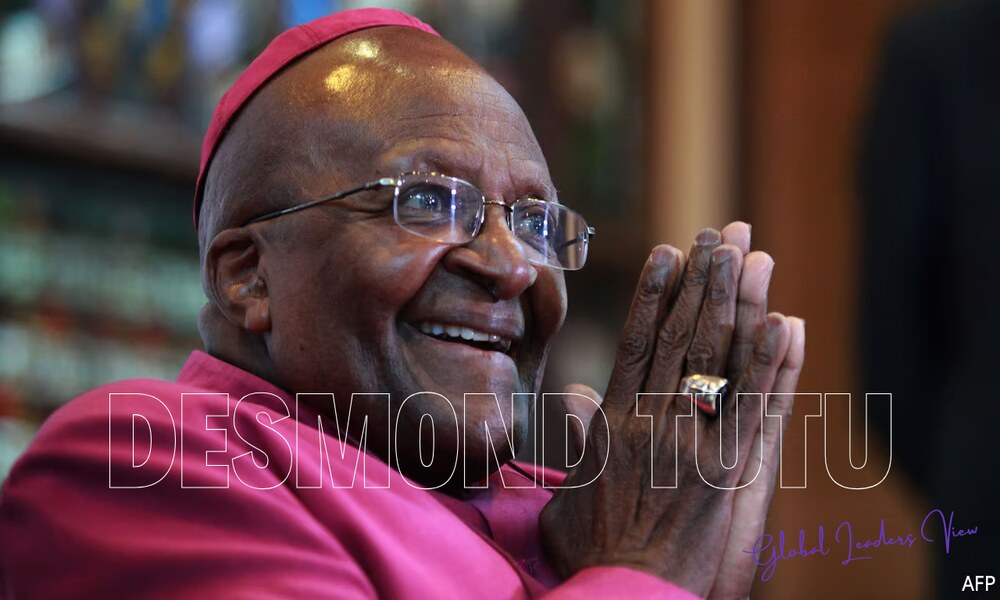
Desmond Tutu: A Journey of Courage, Faith and Legacy

Desmond Tutu, a towering figure in both South African history and global advocacy for human rights, was a man whose life’s work reshaped nations and influenced the hearts of millions. His remarkable journey stands as a testament to resilience, compassion, and the transformative power of faith. Known for his unwavering commitment to justice and equality, Tutu’s story is one of immense sacrifice, triumph, and the unyielding belief that love could conquer even the deepest of hatred.

Early Life and Formative Years

Desmond Mpilo Tutu was born on October 7, 1931, in Klerksdorp, South Africa. Raised in a society entrenched in the brutal systems of apartheid, his early life was marked by racial injustice and inequality. As a young boy, Tutu experienced the harsh realities of segregation firsthand. His father, a teacher, instilled in him the importance of education, which would later become a cornerstone of his advocacy. Despite the oppressive atmosphere, Tutu’s sharp intellect and devotion to faith marked him as a future leader, destined to challenge the status quo.

Tutu’s academic journey took him through the University of Fort Hare, an institution known for producing prominent anti-apartheid leaders. It was here that he first encountered the deeply entrenched racial divisions within his country, yet it was also during these years that Tutu’s understanding of the power of education, compassion, and spirituality deepened.

Theological Foundations and Calling to the Priesthood

After completing his studies, Tutu was ordained as an Anglican priest in 1960. His calling to the priesthood was not just a religious decision but also a deeply political one. As an Anglican cleric, Tutu found his moral compass rooted in the teachings of Jesus Christ, but he was also acutely aware of the profound inequalities surrounding him. His theological training shaped his belief that the church should be a voice for the voiceless and a platform for justice in an unjust world.

In the early 1970s, Tutu’s commitment to fighting apartheid intensified. While serving as a priest, he also held academic positions, which further solidified his stature as an influential figure within both the church and society. His sermons, speeches, and public appearances resonated with millions, particularly because they drew on his deep moral convictions and commitment to non-violence.

Desmond Tutu and the Fight Against Apartheid

As apartheid grew more entrenched, Desmond Tutu became an outspoken critic of the system. His deep conviction that apartheid was not only a political and social injustice but a moral one, inspired him to take an active stand. Tutu’s calls for peaceful resistance and non-violent protest resonated globally. He used his platform to speak out against racial segregation, inequality, and discrimination.

In 1976, Tutu’s rise as a vocal critic of apartheid reached a new height when he was appointed as the first black Anglican Dean of Johannesburg. In this influential position, he used his voice to challenge the policies of the South African government, all the while calling for peaceful and non-violent resistance. Tutu’s influence grew significantly in the 1980s when he was appointed as the Archbishop of Cape Town, the highest position in the Anglican Church in Southern Africa.

Throughout his career, Desmond Tutu employed the philosophy of Ubuntu—a Southern African worldview that emphasizes the interconnectedness of all people. His belief in Ubuntu fueled his stance against apartheid, urging all South Africans to embrace one another, regardless of race or background, and work together toward a better future.

The Nobel Peace Prize and Global Recognition

In 1984, Desmond Tutu’s tireless efforts to combat apartheid were globally acknowledged when he was awarded the Nobel Peace Prize. The Nobel Committee recognized Tutu’s role as an advocate for nonviolent resistance and his “role as a unifying leader figure in the campaign to resolve the problem of apartheid in South Africa.” The Nobel Prize did not just elevate his profile within South Africa but also cemented his status as a global leader for human rights and equality.

Tutu’s recognition on the world stage was not just a personal achievement; it was a beacon for oppressed people worldwide. His moral leadership galvanized the global anti-apartheid movement, and he used his newfound platform to call for continued international pressure on the South African regime.

Post-Apartheid Efforts: Healing and Reconciliation

With the advent of democracy in South Africa in 1994, Desmond Tutu’s role evolved. No longer just an opponent of apartheid, he became a key player in the new South Africa’s healing process. Tutu was appointed as the chairman of the Truth and Reconciliation Commission (TRC), a body that sought to uncover the full extent of the atrocities committed during apartheid and to promote national reconciliation.

The TRC was a groundbreaking initiative, founded on the belief that for South Africa to move forward, it needed to confront its painful past. Tutu’s leadership in this process was instrumental. He helped facilitate dialogues between the victims and perpetrators of apartheid-era violence, encouraging both parties to engage in truth-telling and forgiveness.

Tutu’s role in the TRC cemented his legacy as not just a political leader but a moral and spiritual guide for his nation. Through his compassion and wisdom, he emphasized that reconciliation was not about forgetting the past but acknowledging it in order to build a better future.

Global Advocacy Beyond South Africa

Tutu’s efforts were not confined to South Africa. His work in human rights extended globally, advocating for peace, equality, and the protection of marginalized communities. From the United States to the United Kingdom, Desmond Tutu consistently spoke out on issues of social justice. His opposition to the Iraq War, calls for the divestment from corporations linked to human rights abuses, and vocal support for Palestinian rights were just a few of the global causes that Tutu championed.

As an elder statesman, Tutu continued to push for justice and fairness in global governance, always reminding leaders of their moral responsibility to humanity. His unwavering stance on issues of equity, his refusal to be silenced, and his consistent calls for justice for all people left an indelible mark on global human rights discourse.

Legacy: Desmond Tutu’s Enduring Impact

Desmond Tutu’s legacy is immeasurable. He died on December 26, 2021, but his influence endures in the values he espoused and the lives he touched. Through his role in the anti-apartheid movement, his leadership in reconciliation efforts, and his global advocacy for justice, Tutu changed the course of history.

His moral integrity, unshakable faith, and commitment to non-violent resistance continue to inspire leaders around the world. His calls for compassion, justice, and reconciliation remain timeless principles for anyone seeking to make a positive impact in their community or nation.

Even in death, Desmond Tutu’s work continues to inspire future generations to live with purpose and to challenge systems of oppression. His life reminds us that, no matter the challenges, the power of love, courage, and justice will always have the ability to change the world.

Visit our Latest Magazine

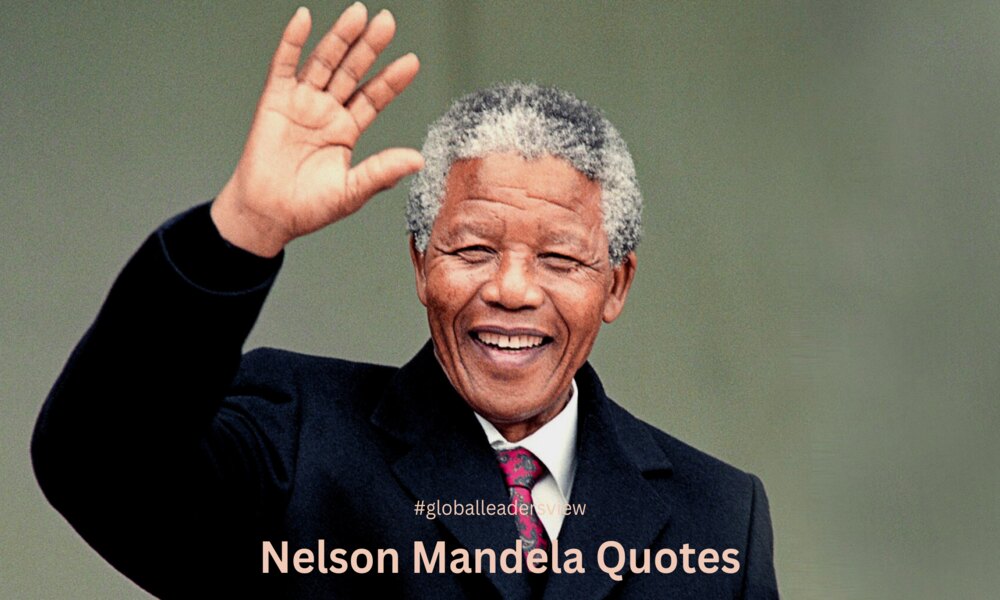
Nelson Mandela: Journey of a Visionary Leader

Nelson Mandela, the iconic South African anti-apartheid revolutionary, political leader, and philanthropist, remains one of the most admired figures in modern history. His life journey exemplifies resilience, determination, and the power of hope in the face of adversity. From his humble beginnings in the rural village of Qunu to becoming the first democratically elected black president of South Africa, Mandela’s life was a remarkable narrative of struggle, sacrifice, and triumph.

In this comprehensive exploration of Nelson Mandela’s journey, we will delve into the significant milestones that shaped his legacy, including his early life, his role in the anti-apartheid movement, his imprisonment, and his presidency. His commitment to justice and equality has inspired millions across the world and serves as a testament to the enduring power of the human spirit.

The Early Life of Nelson Mandela: Roots in Rural South Africa

Nelson Rolihlahla Mandela was born on July 18, 1918, in the village of Mvezo, in the Eastern Cape province of South Africa. He was the son of Gadiyho Mandela, a chief of the Thembu people, and Noqaphi Nosekeni. His given name, Rolihlahla, means “pulling the branch of a tree,” symbolizing his ability to challenge authority and bring change.

Mandela’s family was part of the Thembu royal family, and though they lived in relative poverty, they had a respected position in their community. As a young boy, Mandela was exposed to traditional African customs and values. His early education at Clarkebury Boarding School and Healdtown further instilled in him a sense of justice and respect for others.

The death of his father when Mandela was only nine years old forced him to live under the guardianship of the Thembu regent, Chief Jongintaba Dalindyebo, at the Great Place in Umtata. This transition was significant, as it gave Mandela a glimpse into the world of politics and leadership. His exposure to leadership dynamics and the role of governance deeply influenced his future path.

The Formation of Political Ideals: A Fight for Equality

In 1939, Mandela enrolled at the University of Fort Hare, one of the few institutions that accepted black students in South Africa. It was during his time at university that Mandela began to formulate his political ideals. He became increasingly aware of the racial injustices that plagued South African society and started organizing protests against the university’s policies. His activism, however, led to his expulsion from Fort Hare in 1940.

Following his expulsion, Mandela moved to Johannesburg, where he worked as a law clerk and began his formal studies at the University of South Africa (UNISA). During this period, Mandela became more involved in the African National Congress (ANC), an organization founded in 1912 to fight against racial segregation. His work with the ANC marked the beginning of his lifelong commitment to social justice.

In 1944, Mandela, along with other like-minded individuals, co-founded the ANC Youth League, which became a driving force behind the national movement for racial equality. Mandela’s leadership within the league was instrumental in promoting the ANC’s objectives and encouraging younger generations to take part in the struggle for freedom.

The Anti-Apartheid Struggle: Defying a Brutal System

In 1948, the National Party came to power in South Africa, implementing the apartheid system of institutionalized racial segregation. Under apartheid, black South Africans were stripped of their rights, forced into segregated areas, and subjected to extreme violence. Mandela, now an active leader in the ANC, spearheaded efforts to challenge the regime.

Mandela’s commitment to non-violence and his belief in the freedom of all people led him to participate in defiance campaigns across the country. However, as the apartheid government became increasingly oppressive, Mandela’s tactics shifted. In 1961, after the Sharpeville Massacre, where police killed 69 unarmed protesters, Mandela and the ANC embraced armed resistance as a means of combating the regime.

Mandela became a leader of the Umkhonto we Sizwe (MK), the armed wing of the ANC. The MK conducted sabotage operations targeting government installations, communications, and transportation networks. Despite facing numerous obstacles, Mandela continued to push for economic sanctions and international isolation of the apartheid state.

Imprisonment: A Symbol of Resistance

In 1962, Mandela was arrested and convicted of leaving the country illegally and inciting strikes. He was sentenced to five years in prison, but his imprisonment was just the beginning of his long journey behind bars. In 1964, while in custody, he was convicted again, this time for sabotage and attempting to overthrow the government. He was sentenced to life imprisonment.

Mandela’s incarceration on Robben Island, where he endured brutal treatment and forced labor, became a symbol of resistance to apartheid. While in prison, Mandela continued his political work, communicating with his comrades through letters and encouraging the international community to put pressure on the apartheid regime. His imprisonment was a rallying point for anti-apartheid movements worldwide, and the Free Nelson Mandela campaign gained significant traction during the 1980s.

Despite the harsh conditions, Mandela’s resolve never wavered. He became a symbol of moral authority, embodying the spirit of justice, courage, and perseverance. His time on Robben Island, though physically grueling, solidified his place as one of the most important political figures in history.

The End of Apartheid: Negotiating Freedom and Forging Unity

After 27 years of imprisonment, Nelson Mandela was released on February 11, 1990. His release was a result of mounting international pressure on the apartheid government and internal unrest within South Africa. In the years that followed, Mandela played a pivotal role in dismantling apartheid and building a new, democratic South Africa.

Mandela was instrumental in negotiating with the ruling government to end apartheid peacefully. His leadership during the transition was crucial in preventing a civil war and ensuring that the process of reconciliation could begin. Mandela’s emphasis on forgiveness and national unity allowed South Africa to heal from the deep wounds inflicted by apartheid.

In 1994, Nelson Mandela became the first black president of South Africa, marking the dawn of a new era. His presidency was focused on nation-building, economic transformation, and racial reconciliation. Mandela’s vision of a “Rainbow Nation” sought to unite South Africans of all races and backgrounds into a peaceful and prosperous society.

Legacy: The Global Impact of Nelson Mandela

Nelson Mandela’s legacy transcends the borders of South Africa. His life serves as an example of the power of non-violence, unity, and the unyielding fight for justice. Mandela’s ability to bridge divides, forgive his enemies, and build a nation from the ashes of apartheid remains an inspiration for leaders and activists around the world.

Mandela’s influence can be seen in global movements advocating for human rights, social justice, and environmental sustainability. He received numerous accolades, including the Nobel Peace Prize in 1993, in recognition of his efforts to bring peace and reconciliation to South Africa.

Though Mandela passed away on December 5, 2013, at the age of 95, his impact continues to shape the future of South Africa and the world. His unwavering commitment to equality, justice, and the empowerment of all people serves as a guiding light for future generations.

Global Leaders Views: A Legacy for the Ages

Nelson Mandela’s life journey is a story of immense courage and unshakable dedication to the ideals of freedom, justice, and human dignity. From his early years in rural South Africa to his time as a world-renowned leader, Mandela’s legacy will forever remain etched in history as a beacon of hope for those fighting against oppression and injustice.

His enduring impact serves as a reminder that even in the face of overwhelming adversity, one individual can change the course of history. Mandela’s journey is not just the story of a man—it is the story of a movement, a nation, and a world that dared to believe in the possibility of freedom and equality.

Also Read: Exclusive Interview

What Stood Out at Auto Expo 2025

Electric vehicles (EVs) were the stars of the show. Leading manufacturers like Maruti Suzuki, Tata Motors, and Hyundai introduced next-generation EVs designed for diverse audiences.

  • Maruti Suzuki debuted its much-anticipated eVX SUV, designed to blend futuristic style with eco-conscious performance.
  • Tata Motors stole the spotlight with the Curvv EV, offering a seamless mix of performance and aesthetics.
  • Hyundai showcased its premium Ioniq 6, setting benchmarks in design and battery efficiency.

These launches emphasized the industry’s shift toward cleaner and greener technology.


Smart Technology for Smarter Cars

The Auto Expo wasn’t just about EVs—it was also a hub for smart car technology. Manufacturers demonstrated advanced features like:

  • AI-powered driving assistance systems.
  • Connected car platforms for seamless vehicle control.
  • Autonomous capabilities that redefine safety and convenience.

Mahindra & Mahindra grabbed attention with its bold XUV Aero Concept, a vehicle boasting cutting-edge AI and unparalleled luxury, promising to be a game-changer in its segment.


Sustainability in Every Drive

Sustainability was a major focus, with brands introducing technologies that reduce environmental impact.

  • Toyota unveiled its revolutionary hydrogen fuel cell vehicle, showcasing an alternative green fuel solution.
  • Many automakers committed to using recyclable materials and energy-efficient manufacturing processes, aligning with global sustainability goals.

Electrification Takes Center Stage

Unquestionably, the highlights of the Auto Expo 2025 were electric vehicles (EVs). Manufacturers from India and other countries displayed an impressive array of battery-powered automobiles, demonstrating how commonplace EVs have become.

Maruti Suzuki e Vitara: One of the event’s most anticipated launches, this all-electric SUV sets a new standard for affordable electric transportation in India by fusing modern EV technology with a tough SUV mentality and a range of more than 500 kilometers.

Hyundai Creta Electric: With a futuristic twist and a strong emphasis on performance and comfort, Hyundai’s beloved Creta went electric, thrilling guests with its cutting-edge features and long range.

VinFast VF6: The Vietnamese EV manufacturer created waves with the small yet high-end VF6, which promised worldwide performance and design prowess and was aimed at both Indian and foreign markets.

The industry’s quick transition from conventional internal combustion engines to greener, cleaner alternatives that are expected to rule the next ten years of road transportation was highlighted by these electrified demonstrations.

Innovative Ideas That Aroused Wonder

Concept cars were Auto Expo 2025’s time machines if it was a glimpse into the future. Crowds were talking about tomorrow’s automobiles today because to the expo’s amazing roster of innovative ideas.

Tata Avinya/Avinya X Concept: This electric concept from Tata Motors made headlines due to its svelte lines, eco-friendly design philosophy, and cutting-edge technological integration—a preview of Tata’s EV roadmap.

Skoda Vision 7S: A daring seven-seater electric SUV that redefines family travel through EV innovation with its tough exterior, contemporary interiors, and adaptable comfort modes.

Toyota Urban Cruiser BEV Concept: Designed for the urban lifestyle, this concept attracted attention across the exhibition halls by striking a mix between futuristic appearance and practical functionality.

These concept automobiles were more than simply static models; they symbolized a move toward design that foresees future demands in the real world, from digital-centric user experience platforms to flexible interior spaces.

Innovations in Commercial Vehicles and Sustainability

Passenger cars were not the only vehicles that were sustainable. Additionally, manufacturers of commercial vehicles introduced strategies to lower carbon emissions and boost productivity.

The Tata Prima G.55S, a heavy-duty LNG-powered truck, showed how long-distance freight transportation may use cleaner fuels.

Tata Intercity EV 2.0: This electric bus prototype demonstrated how EV technology is expanding across vehicle segments and was intended for intercity travel.

This wide commitment demonstrated that sustainable mobility is a multi-layered evolution, ranging from private EVs to commercial and public transportation.


What’s Next?

The Auto Expo 2025 not only unveiled groundbreaking vehicles but also reflected the industry’s commitment to building a smarter and greener future. With EVs, AI-driven technologies, and sustainable solutions taking center stage, the automotive world is gearing up for an exciting transformation.

As we look forward, these innovations promise to make mobility cleaner, smarter, and more efficient, making this year’s Auto Expo a true game-changer.

Visit Latest Interviews