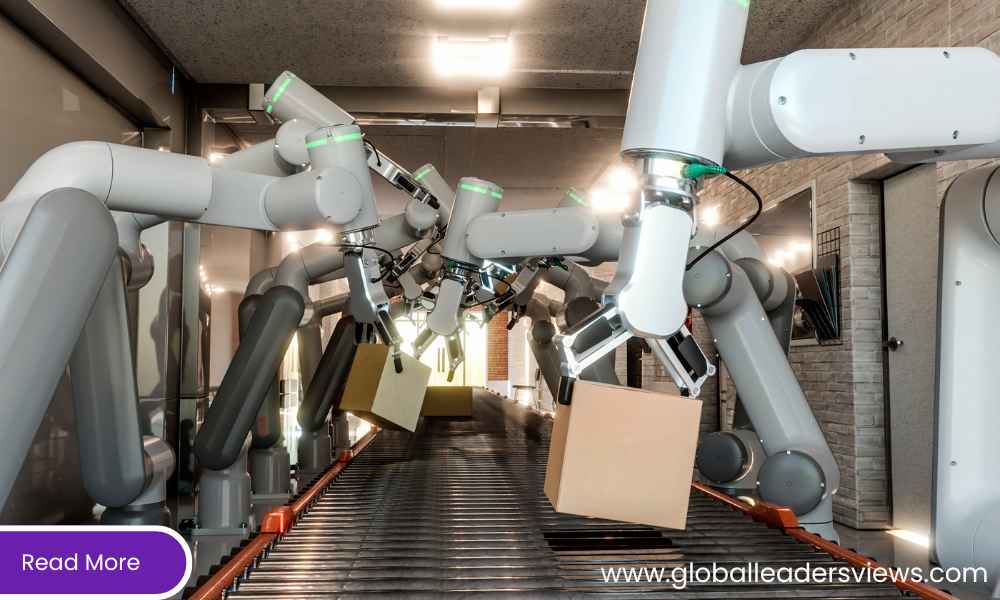
The field of robots and automation in warehouses is changing quickly as businesses work to satisfy the growing demands for cost-effectiveness, efficiency, and safety. These top 30 warehouse robotics and automation firms are leading the way in revolutionizing fulfillment andlogistics as supply chains get more intricate. The future of warehousing is being shaped by these innovators, from AI-driven sorting to automated picking systems.
What Are Automation and Robotics in Warehouses?
Automated guided vehicles (AGVs), robotic arms, and AI-powered inventory management systems are just a few examples of the many technologies that fall under the umbrella of warehouse robotics and automation. Together, these technologies simplify tasks such as:
- Selecting and packing
- Transportation and sorting
- Management of inventories
They greatly speed up warehouse processes, minimize errors, and lower the cost of human labor.
The World’s Top 30 Robotics and Automation Companies for Warehouses
Here’s a look at some of the industry leaders spearheading innovation:
- Locus Robotics is well-known for its autonomous mobile robots (AMRs), which collaborate with warehouse workers.
- Using state-of-the-art automation, Kiva Systems (now Amazon Robotics) is transforming Amazon’s fulfillment centers.
- Fetch Robotics: Focuses on AMRs for warehouse cargo handling and transportation.
- Swisslog: A leader in automation solutions, offering advanced robotic systems for warehouses globally
Warehouse Automation Companies in the USA
The USA has also seen significant growth in warehouse automation:
- GreyOrange: Focused on optimizing warehouse operations with AI-powered robotics.
- 6 River Systems: Offers collaborative robots and automation software to improve picking and fulfillment.
Visit Robotics Business Review
1. Next-Gen Warehouses: Collaborating Humans and Robots
Warehouses are becoming intelligent environments where people and robots collaborate. In the future, autonomous robots will transport items swiftly and safely, and AI-powered systems will forecast which things are required before orders ever arrive. Everyone will benefit from quicker deliveries, fewer delays, and less human error as a result.
2. Adaptive and Learning Robots
Robots in warehouses of the future will learn and adapt rather than simply following commands. Robots will employ computer vision and machine learning to traverse crowded warehouses, avoid obstructions, and even assist humans with difficult tasks. They will increase workplace flexibility, efficiency, and safety.
3. Sustainable, transparent, and interconnected operations
Smart technology will be used in futuristic warehouses to link each stage of the supply chain. Automation will make warehouses more dependable, transparent, and environmentally friendly, from tracking inventory using blockchain to keeping an eye on energy consumption. In order to fulfill the world’s expanding demands, humans and machines will work together seamlessly to provide faster, smarter, and more environmentally responsible logistics.
The Future of Global Logistics Is Being Shaped by AI-Powered Warehouses
By 2025, robotics, automation, and artificial intelligence will have drastically changed the warehouse sector. To increase speed, accuracy, and operational efficiency, businesses are making significant investments in autonomous mobility robots, smart inventory systems, and predictive analytics. It is anticipated that future warehouses will develop into completely integrated ecosystems where robots handle picking, packing, sorting, and delivery with little assistance from humans. This change is assisting companies in cutting labor expenses, streamlining supply chains, and satisfying the increasing global demand for quicker e-commerce deliveries.
The Future of Warehouse Robotics
As automation in warehouses becomes increasingly crucial, these top warehouse robotics companies will continue to push the boundaries of what’s possible. By embracing AI, robotics, and smart automation, they’re enhancing the speed, accuracy, and cost-effectiveness of global supply chains. Looking ahead, warehouse robotics will only become more integral to industries worldwide.
Read more exclusive interviews Lisa Anna Palmer
- Ken Dychtwald: The Thought Leader Who Turned Curiosity into a Global Movement on Aging and Human Potential
- Fredrik Laseen: Crafting Authentic Luxury Through People, Culture, and Purpose
- Bank of Spain Urges Caution in AI Tool Adoption
- Musk’s SEC Settlement: A Closer Look at the ‘Red Flags’
- The US Stock Market Rises Today Due to Another Alphabet Rally